


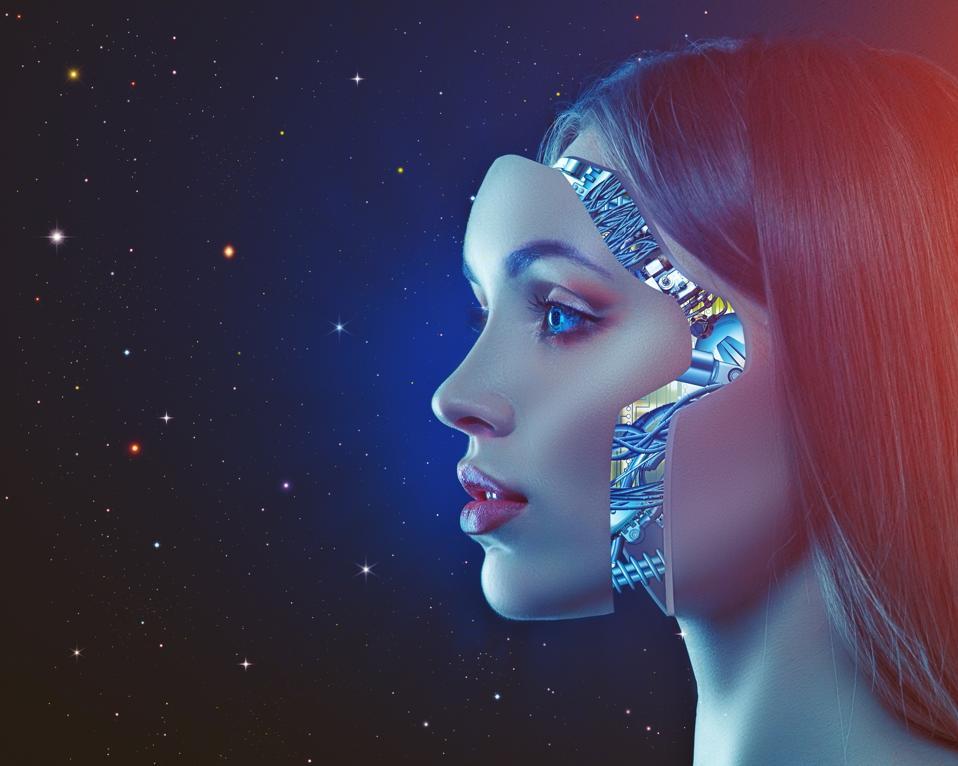
In the nascent but highly strategic world of virtual humans, market share is a key indicator of a company's technological leadership, its platform's capabilities, and its success in attracting major brands and enterprise clients. A detailed analysis of the Virtual Human Market Share reveals a landscape that is still in its early, formative stages, with a mix of specialized startups, creative studios, and major technology giants all vying for an early lead. Market share in this industry is not about selling a physical product but about licensing the underlying platform, securing contracts for custom development, or building a popular virtual influencer with a massive following. Understanding this distribution of influence is crucial for any business looking to partner with a provider, as it highlights the key players who are defining the state-of-the-art in creating lifelike and intelligent digital beings.
The market share is currently distributed among a few key types of players. One major group consists of the specialized, pure-play virtual human technology platforms. Companies like Soul Machines, Uneeq, and Hour One have developed sophisticated, end-to-end platforms that provide the core technology for creating, animating, and deploying AI-powered virtual humans. Their market share is built on the strength of their proprietary technology, particularly their "digital brain" and real-time rendering engines. They typically operate on a B2B, platform-as-a-service (PaaS) model, licensing their technology to large enterprises who want to create their own branded virtual assistants or digital employees. These companies are the "Intel Inside" of the virtual human world, providing the core engine for many of the virtual humans we see today.
Another significant segment of the market is comprised of the creative studios and agencies that specialize in creating and managing virtual influencers. Companies like Brud (the creators of the famous virtual influencer Lil Miquela) have pioneered this space. Their business is a unique blend of a technology company and a creative/talent agency. They are responsible for not only the technical creation of the virtual character but also for crafting their personality, their storyline, and managing their social media presence. Their market share is measured by the popularity and cultural influence of the characters they create, and their revenue comes from brand partnerships and endorsement deals, just like a human influencer. This part of the market is highly creative and trend-driven, blurring the lines between technology and entertainment.
The major technology and AI giants are also key players, though often at a more foundational level. Companies like Microsoft, Google, and Amazon provide the essential cloud infrastructure and the core conversational AI services (like natural language processing and text-to-speech) that many virtual human platforms are built upon. The Virtual Human Market is Expected to Reach USD 19.43 Billion By 2035, Growing at a CAGR of 11.62% During 2025 - 2035. In addition, major graphics technology companies like Nvidia, with its Omniverse platform, and game engine providers like Epic Games (Unreal Engine) are also capturing a significant share of the market by providing the essential tools and platforms for creating and rendering photorealistic digital humans and virtual worlds. Their strategy is to become the underlying "operating system" for the creation of all 3D content, including virtual humans, giving them a powerful and strategic position in the ecosystem.
Explore Our Latest Trending Reports:
dark fibre network infrastructure market trends

 English
 Arabic
 French
 Spanish
 Portuguese
 Deutsch
 Turkish
 Dutch
Dutch
 Italiano
 Russian
 Portuguese (Brazil)
 Tiếng Việt