


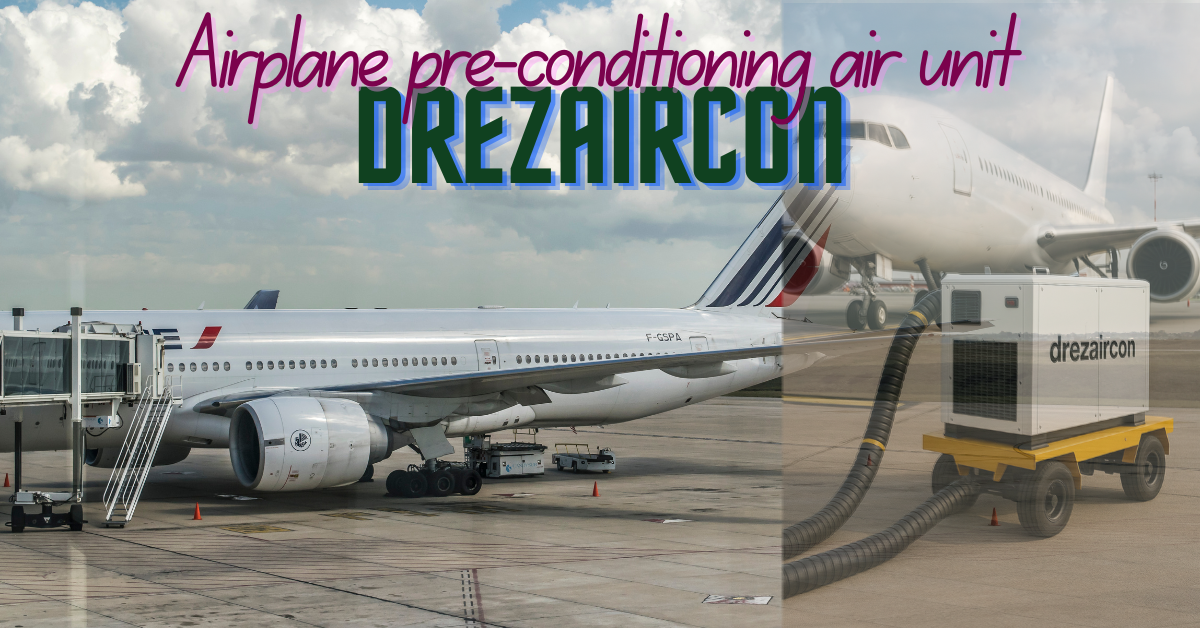
Airplane pre-conditioning air units (PCA units) play a vital role in maintaining the comfort and safety of passengers and crew while the aircraft is parked on the ground. These systems supply cooled or heated air to the aircraft cabin and cockpit, keeping temperature and humidity at optimal levels without running the main engines or auxiliary power units. Choosing the right PCA unit is crucial for efficiency, cost savings, and environmental compliance.
Understanding Airplane Pre-Conditioning Air Units
A pre-conditioning air unit is designed to deliver air at a specific temperature, flow rate, and pressure to the aircraft’s air distribution system. It connects to the aircraft via a flexible hose and operates either as a fixed installation or a mobile unit.
There are mainly two types:
-
Fixed PCA units: Installed at gates or hangars, ideal for high-traffic airports.
-
Mobile PCA units: Mounted on trailers or trucks, perfect for flexible operations or smaller airports.
Key Specifications to Consider
When choosing a PCA unit, understanding its core specifications ensures you select a model that meets your operational needs.
1. Cooling and Heating Capacity
Check the unit’s cooling and heating performance measured in tons or kW. This depends on aircraft size and climate conditions. For example, wide-body aircraft require higher capacity units than narrow-body ones.
2. Airflow Rate
The airflow rate, measured in kilograms per minute or CFM (Cubic Feet per Minute), determines how quickly the air reaches the desired temperature. Balanced airflow prevents hot or cold spots in the cabin.
3. Energy Efficiency
Opt for units designed with advanced compressors and energy-saving features. DREZAIRCON units, for instance, focus on efficient operation that reduces fuel use and carbon emissions.
4. Noise Levels
Low-noise operation is crucial for ground crew comfort and compliance with airport regulations.
5. Mobility and Design
Compact and durable designs ensure easier movement, maintenance, and long-term reliability, especially in harsh airport environments.
Advantages of a High-Quality PCA Unit
-
Reduced Fuel Consumption: Minimizes the need for auxiliary power units (APU), saving fuel and operational costs.
-
Environmental Benefits: Lower emissions and improved compliance with green airport initiatives.
-
Passenger Comfort: Maintains a consistent cabin environment even during boarding and ground delays.
-
Extended Equipment Life: Prevents overheating or condensation damage to onboard systems.
-
Cost Efficiency: Efficient systems lead to reduced maintenance and long-term savings.
Comparing PCA Unit Options
| Feature | Fixed PCA Unit | Mobile PCA Unit |
|---|---|---|
| Installation | Permanent, at gates | Portable, on trailers |
| Best For | Large airports | Smaller or regional airports |
| Flexibility | Limited | High |
| Power Source | Centralized system | Diesel or electric |
| Maintenance | Low | Moderate |
DREZAIRCON offers both configurations, allowing airports and airlines to choose according to their infrastructure and traffic volume.
How to Choose the Best PCA Unit for Your Needs
-
Assess Your Airport or Fleet Requirements:
Identify aircraft types, parking areas, and local climate conditions. -
Determine Energy Source Availability:
Choose between electric or diesel-powered units depending on infrastructure and sustainability goals. -
Compare Brands and Models:
Look for trusted manufacturers like DREZAIRCON, known for their durable and efficient air conditioning solutions designed specifically for aviation applications. -
Check After-Sales Support:
Ensure the manufacturer provides installation assistance, training, and maintenance support. -
Review Warranty and Certifications:
Verify compliance with international aviation standards (ISO, CE, etc.) and warranty terms for added assurance.
Buying the Right PCA Unit from DREZAIRCON
DREZAIRCON specializes in reliable, energy-efficient, and high-performance airplane pre-conditioning air units. With years of expertise in ground air conditioning systems, DREZAIRCON provides customized solutions to suit different aircraft sizes and airport conditions.
Each unit is built with precision engineering, low-noise operation, and durable components, ensuring consistent performance and cost savings.
Conclusion
Selecting the best airplane pre-conditioning air unit involves balancing efficiency, performance, and long-term reliability. By focusing on core specifications, operational needs, and brand reputation, you can make an informed decision that benefits both passengers and airport operations.
DREZAIRCON continues to stand out as a trusted name in the aviation air conditioning industry delivering advanced technology, eco-friendly designs, and dependable performance for airports worldwide.

 English
 Arabic
 French
 Spanish
 Portuguese
 Deutsch
 Turkish
 Dutch
Dutch
 Italiano
 Russian
 Romaian
 Portuguese (Brazil)