


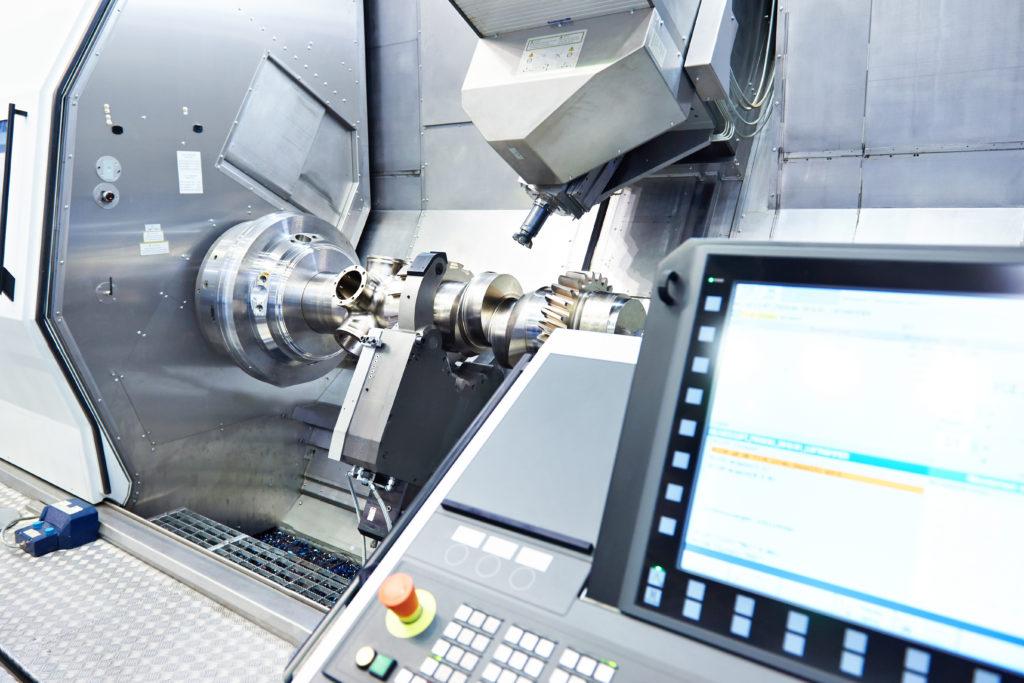
In metal fabrication, precision is everything. Whether manufacturing components for construction, automotive parts, or industrial machinery, even the smallest defect can cause delays, failures, or costly rework. That’s why quality control (QC) plays a vital role in every stage of the fabrication process — from raw material inspection to final assembly.
As fabrication technologies evolve and industries demand higher standards, maintaining quality is no longer just about meeting specifications it’s about ensuring consistency, efficiency, and long-term reliability. This article explores why quality control is essential in metal fabrication, the techniques used, and how modern innovations are improving accuracy and performance.
1. What Is Quality Control in Metal Fabrication?
Quality control in metal fabrication refers to the systematic process of inspecting, testing, and monitoring each step of production to ensure components meet the required standards. It covers everything from the material’s strength and thickness to the final product’s dimensions, finish, and weld integrity.
QC doesn’t happen at the end of production it’s integrated throughout the fabrication workflow. Every stage, including cutting, bending, welding, machining, and surface finishing, must adhere to strict quality checks to guarantee that the end product is durable, functional, and safe for use.
2. Why Quality Control Matters
In the world of metal fabrication, quality control is not just a technical requirement — it’s a business necessity. Here’s why:
-
Prevents Costly Rework: Catching errors early reduces waste and avoids expensive corrections later in the process.
-
Ensures Structural Safety: Many fabricated parts are used in load-bearing structures and critical systems. Faulty components can lead to equipment failure or accidents.
-
Improves Customer Satisfaction: High-quality products strengthen client trust and lead to repeat business.
-
Complies with Standards: Industries such as construction, aerospace, and energy require strict adherence to national and international quality standards.
-
Enhances Efficiency: Continuous monitoring ensures that production remains consistent, reducing delays and improving output.
Simply put, quality control protects both the manufacturer and the customer ensuring reliability, safety, and reputation.
3. Common Quality Control Techniques in Metal Fabrication
Several QC techniques are used to verify the integrity and precision of fabricated components. These methods vary depending on the process, material, and end use.
a) Dimensional Inspection
Every cut, bend, and weld must meet the design dimensions within tight tolerances. Using calipers, micrometers, coordinate measuring machines (CMMs), and laser scanners, inspectors ensure parts conform precisely to engineering drawings.
b) Visual Inspection
One of the simplest but most important QC methods, visual inspection detects surface defects such as cracks, corrosion, scratches, or incomplete welds. Skilled inspectors can identify irregularities that machines may overlook.
c) Non-Destructive Testing (NDT)
When components must retain their structural integrity, non-destructive testing is essential. NDT methods include:
-
Ultrasonic Testing (UT): Uses high-frequency sound waves to detect internal flaws.
-
Magnetic Particle Testing (MPT): Reveals surface and subsurface discontinuities in ferromagnetic materials.
-
Radiographic Testing (X-Ray): Detects voids, inclusions, or cracks inside welds.
-
Dye Penetrant Testing (DPT): Highlights surface cracks on non-porous materials.
These tests ensure strength and reliability without damaging the part.
d) Weld Quality Inspection
Since welding joins critical sections of fabricated assemblies, weld inspection is vital. Examiners evaluate weld penetration, alignment, and uniformity, often using digital X-ray and ultrasonic equipment for precision.
e) Surface Finish Testing
Surface quality impacts performance, especially in applications where corrosion resistance or coating adhesion is essential. Devices such as profilometers measure surface roughness to ensure a consistent finish.
4. The Role of Material Quality
No amount of precision machinery can compensate for poor material quality. The first step in effective quality control is verifying that incoming raw materials — such as steel sheets, bars, or tubes — meet the required chemical and mechanical properties.
Material certificates from suppliers are typically reviewed, and random samples may undergo:
-
Tensile strength tests to confirm durability.
-
Hardness tests for wear resistance.
-
Chemical composition analysis to ensure alloy consistency.
By validating materials before production, fabricators eliminate potential weaknesses that could cause failures later.
5. Automation and Digitalisation in Quality Control
As fabrication becomes more advanced, quality control is also becoming smarter and more automated.
a) Automated Measurement Systems
Laser scanners and optical inspection systems now perform precise, high-speed dimensional checks. These systems capture 3D models of fabricated parts and compare them automatically with digital CAD files to identify deviations instantly.
b) AI-Powered Defect Detection
Artificial intelligence (AI) and machine vision software are revolutionising defect detection. Cameras capture high-resolution images of surfaces and welds, while AI algorithms analyse them in milliseconds identifying even the smallest imperfections.
c) Data Tracking and Traceability
With digital fabrication, every part can be traced throughout its lifecycle. Software systems record data from cutting, welding, and finishing machines, allowing engineers to track which materials, settings, or tools were used. This traceability simplifies root-cause analysis if issues arise later.
d) Predictive Maintenance
IoT (Internet of Things) sensors monitor machine performance to predict when maintenance is needed. This ensures that cutting tools, press brakes, and welders operate at peak efficiency, reducing errors caused by equipment wear.
6. Standards and Certifications in Fabrication Quality
High-quality fabrication must meet recognised standards that define material grades, processes, and testing requirements. Some widely used standards include:
-
ISO 9001: Quality management systems for consistent production and documentation.
-
ISO 3834: Welding quality assurance for fusion welding of metallic materials.
-
EN 1090: Standards for structural steel and aluminium components.
-
ASME and AWS Codes: For pressure vessels and welded structures.
Adhering to these frameworks demonstrates professionalism, builds customer confidence, and ensures compliance with international requirements.
7. Human Skill in Quality Control
Even with automation and digital tools, human expertise remains irreplaceable in fabrication quality control.
Experienced inspectors and engineers understand how to interpret readings, identify patterns, and make decisions that machines cannot. Their knowledge of materials, welding behaviour, and structural performance helps them anticipate potential issues before they occur.
Training, certification, and continuous learning are vital to maintaining this level of expertise, especially as new materials and fabrication techniques emerge.
8. The Cost of Poor Quality
Neglecting quality control has serious consequences. Fabricators who overlook inspection risk product recalls, rework costs, production delays, and damaged reputations. In severe cases, poor-quality fabrication can lead to catastrophic structural failures.
Investing in robust quality assurance systems may seem costly at first, but it always pays off ensuring long-term savings, improved efficiency, and stronger client relationships.
9. The Future of Fabrication Quality Control
Looking ahead, quality control will continue evolving with smart manufacturing. The future will bring:
-
AI-integrated inspection lines that monitor every stage of production automatically.
-
Digital twins to simulate product performance before fabrication.
-
Cloud-based quality systems enabling remote auditing and documentation.
-
Augmented reality (AR) tools to guide inspectors with overlayed visual cues.
These technologies will make fabrication more transparent, traceable, and efficient aligning perfectly with the goals of Industry 4.0.
Conclusion
Quality control is the foundation of successful metal fabrication. It ensures that every cut, weld, and finish meets exact standards of strength, precision, and reliability. As industries demand lighter, stronger, and more complex components, the need for rigorous quality assurance grows even greater.
Through advanced inspection tools, data analytics, and skilled professionals, the fabrication sector is achieving higher levels of performance than ever before. The result is not only safer and more efficient products, but also a stronger, more trusted manufacturing industry built on precision and excellence.

 English
 Arabic
 French
 Spanish
 Portuguese
 Deutsch
 Turkish
 Dutch
Dutch
 Italiano
 Russian
 Romaian
 Portuguese (Brazil)