


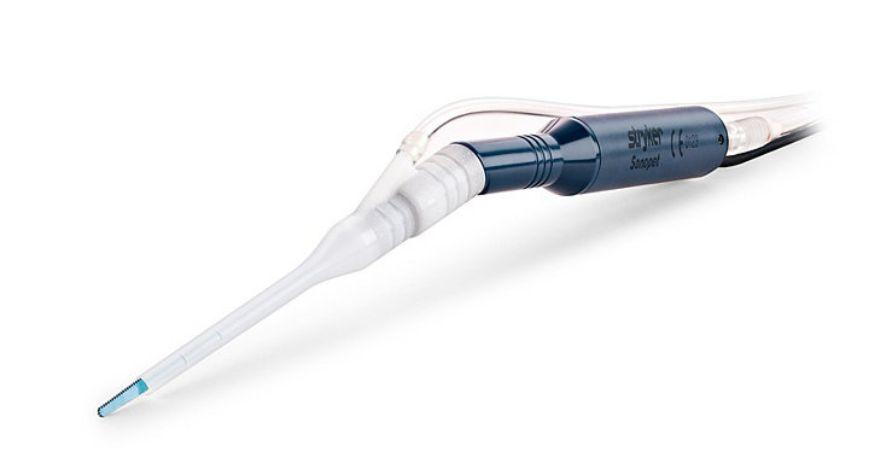
The Ultrasonic Aspirators Market represents a specialized segment of the medical device industry dedicated to enhancing surgical precision and minimizing tissue trauma. Ultrasonic aspirators are advanced surgical tools that use high-frequency ultrasonic vibrations to fragment and remove soft tissue selectively while preserving surrounding structures. Their growing adoption across neurosurgery, oncology, liver surgery, and other complex procedures reflects the healthcare sector’s increasing emphasis on minimally invasive, precision-driven treatment modalities.
Understanding the Concept and Components
At its core, the ultrasonic aspirator system consists of three main components: an ultrasonic handpiece, a control console, and a suction-irrigation system. The handpiece generates ultrasonic vibrations that emulsify targeted tissues. The aspirated material is simultaneously removed through suction, while irrigation keeps the surgical field clear. This combination allows surgeons to operate with greater accuracy and control, reducing both bleeding and collateral tissue damage.
The market encompasses a variety of products, including portable and console-based systems designed to meet the needs of different surgical settings. Innovations such as lightweight handpieces, ergonomic designs, and enhanced power modulation have improved the user experience and expanded clinical applications. The integration of ultrasonic aspirators into modern operating rooms also supports compatibility with digital imaging and navigation systems, further optimizing surgical outcomes.
Why It Matters: The Problems It Helps Solve
Traditional surgical techniques often face challenges related to precision and safety when removing tumors or lesions near critical structures. Ultrasonic aspirators address these limitations by providing a controlled means of tissue removal that spares vital nerves and blood vessels. In neurosurgery, for instance, these devices allow surgeons to resect brain tumors without compromising surrounding healthy tissue, thereby improving patient recovery and reducing postoperative complications.
Moreover, in hepatic and oncologic surgeries, ultrasonic aspirators minimize blood loss and shorten operating times. They also improve visualization by maintaining a clear surgical field, helping surgeons make more informed, real-time decisions. For healthcare providers, these benefits translate into fewer complications, shorter hospital stays, and better long-term patient outcomes.
Growing Relevance in Modern Healthcare
The Ultrasonic Aspirators Market is gaining traction as the global healthcare industry continues to embrace advanced surgical tools that improve patient safety and procedural efficiency. The rising demand for minimally invasive and precision-based surgeries has made ultrasonic aspirators an indispensable part of operating rooms in both developed and emerging healthcare systems.
Additionally, as the incidence of chronic diseases such as cancer and neurological disorders continues to rise, the need for advanced surgical tools that enable safe tissue removal grows stronger. Medical institutions are increasingly investing in technologies that improve accuracy and reduce human error, and ultrasonic aspirators fit this paradigm perfectly. Their ability to provide selective tissue fragmentation without affecting nearby healthy structures is particularly appealing to surgeons dealing with delicate or high-risk operations.
Applications and Value
Ultrasonic aspirators are used extensively across several medical fields, including neurosurgery, liver surgery, ENT (ear, nose, and throat) surgery, and gynecology. In each of these areas, they enhance precision, minimize trauma, and improve postoperative recovery. For neurosurgeons, these devices enable delicate tumor removal near critical brain areas. In liver surgery, they help in segmental resections by allowing surgeons to differentiate between parenchymal and vascular structures.
From a healthcare perspective, the value of ultrasonic aspirators extends beyond clinical outcomes. Hospitals and surgical centers benefit from greater operational efficiency, reduced complications, and higher patient satisfaction rates. The technology supports faster recovery, fewer readmissions, and lower overall treatment costs, aligning with the broader shift toward value-based healthcare delivery.
Future Insights and Innovation
The future of the Ultrasonic Aspirators Market lies in continued technological refinement and integration with other surgical innovations. Research and development are focusing on enhancing device miniaturization, automation, and precision through robotics and AI-assisted systems. Smart ultrasonic aspirators capable of adjusting vibration frequencies in real time based on tissue feedback are being explored to further improve safety and control.
Manufacturers are also developing aspirators with improved ergonomics, wireless connectivity, and modular compatibility with imaging systems for seamless data integration during surgery. Additionally, advancements in materials science may lead to lighter, more durable instruments with enhanced vibration efficiency.
As healthcare systems globally continue to prioritize minimally invasive approaches, ultrasonic aspirators are expected to play a pivotal role in redefining surgical standards. Their continued evolution underscores a broader trend in medicine—where precision, safety, and patient-centered care are at the forefront of innovation.
In essence, the Ultrasonic Aspirators Market reflects the ongoing transformation of surgical practice. It stands as a symbol of how cutting-edge engineering and clinical insight converge to enhance human health outcomes, ushering in a new era of precision-driven surgical excellence.

 Arabic
 French
 Spanish
 Portuguese
 Deutsch
 Turkish
 Dutch
Dutch
 Italiano
 Russian
 Romaian
 Portuguese (Brazil)
 Tiếng Việt