


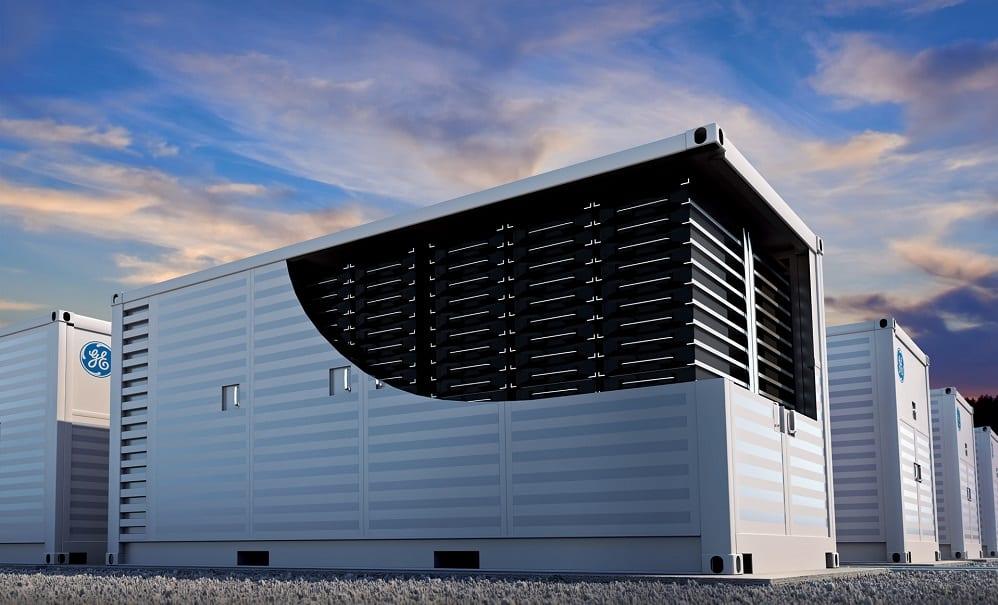
The concept of a bess system has rapidly gained traction as a critical technology in the transition toward sustainable and resilient energy systems. As the world moves away from fossil-fuel–powered generation and embraces renewable energy, the need for efficient, reliable, and scalable energy storage becomes essential. Battery Energy Storage Systems (BESS) offer a way to store electricity during periods of low demand or surplus generation and dispatch it when demand spikes or renewable generation dips. This article explores what BESS is, how it works, its benefits, challenges, applications, and future prospects — ultimately illustrating why BESS is poised to play a transformative role in sustainable power use.
What is BESS?
Battery Energy Storage Systems, commonly abbreviated as BESS, refer to integrated systems that store electrical energy in rechargeable battery modules and reclaim it when needed. Unlike traditional energy storage methods (like pumped hydro), BESS uses electrochemical cells — typically lithium-ion batteries, although other chemistries are gaining ground — to store energy. These systems range from small residential units capable of powering a home through the night to massive grid-scale installations that support entire communities, industries, or utilities.
At its core, a BESS comprises multiple interconnected battery modules, power electronics (inverters, converters), a battery management system (BMS), and control software. The BMS is crucial — it monitors each battery cell’s temperature, state-of-charge (SoC), and overall health to ensure safe, efficient, and long-lasting operation. Depending on configuration and requirements, BESS can be modular, distributed, or centralized.
How BESS Works: Components and Operation
To understand the value of BESS, it helps to know how it works. The operational cycle of a BESS broadly involves two phases: charging (energy storage) and discharging (energy delivery).
-
Charging Phase: When electricity generation outpaces demand — for instance, during sunny midday hours with high solar generation, or nighttime wind peaks — the excess electricity is directed to the BESS. Power converters step down or condition the incoming AC power (from the grid or renewables) to DC, which is what battery cells store. The energy is then stored electrochemically in the battery cells.
-
Discharging Phase: During periods of high demand or low generation (e.g., evening peak, cloudy/rainy weather, or grid outages), the stored DC power is converted back to AC (or other required forms) via inverters. The BMS ensures that the discharge rate is within safe and efficient limits, balancing the load among battery modules to avoid overtaxing any single component.
Key components of a BESS include:
-
Battery modules/cells: Usually lithium-ion, though flow batteries, lead-acid, and emerging chemistries like solid-state or sodium-ion are also used.
-
Battery Management System (BMS): Monitors cell voltages, temperatures, and balancing.
-
Power electronics: Inverters/converters to manage AC/DC conversion.
-
Thermal management systems: Cooling or heating units to maintain optimal battery temperature.
-
Energy management software: Coordinates charging/discharging cycles based on demand, generation, time-of-use tariffs, or optimization algorithms.
Types of Energy Storage Technologies within BESS
While lithium-ion BESS dominates today’s market, different storage technologies are being used or developed — each with advantages and trade-offs:
-
Lithium-Ion Batteries: High energy density, relatively long cycle life, and declining costs make them the most common choice. Ideal for residential, commercial, and grid-scale use.
-
Flow Batteries (e.g., Vanadium Redox): Use liquid electrolytes; energy capacity is decoupled from power rating, making them suitable for long-duration storage (e.g., multi-hour or multi-day). Flow batteries often have longer lifespans and minimal degradation but lower energy density.
-
Lead-Acid Batteries: Traditional and lower-cost, but with limited cycle life, lower efficiency, and heavier weight. Still used in off-grid or small-scale applications where cost is critical.
-
Advanced Chemistries (Sodium-Ion, Solid-State, etc.): Under development and early deployment. Promise higher safety, longer life, and better stability — though not yet widespread.
Selecting a storage technology involves trade-offs: cost, lifespan, energy density, discharge duration, efficiency, and safety.
Benefits of BESS for Sustainable Power Use
BESS offers multiple transformative benefits for sustainable power generation, distribution, and consumption.
1. Enabling Renewable Energy Integration
Renewables like solar and wind are intermittent — their output fluctuates with weather and time of day. BESS allows excess solar or wind energy generated during periods of surplus to be stored and used when generation drops, smoothing supply variability. This quality makes BESS a key enabler for higher penetrations of renewables in energy grids.
2. Reducing Reliance on Fossil Fuels
By providing stored energy during peak demand or low generation times, BESS helps reduce reliance on fossil-fuel-based peaker plants, which are often expensive, inefficient, and polluting. That in turn reduces greenhouse gas emissions and supports cleaner energy goals.
3. Enhancing Grid Stability and Reliability
BESS can respond rapidly — within milliseconds — to changes in supply and demand, offering frequency regulation, voltage support, and black-start capabilities (helping restart the grid after outages). This improves overall reliability and resilience, especially in grids with high renewable penetration or in regions prone to outages.
4. Deferring or Avoiding Infrastructure Upgrades
Instead of building new power plants or expanding transmission infrastructure to meet peak demand, utilities can deploy BESS to meet demand surges. This can be more cost-efficient and faster to deploy, especially in remote or underserved areas, or densely populated regions where new infrastructure is challenging to build.
5. Economic Benefits for Consumers and Businesses
For residential and commercial users, BESS can enable “time-of-use arbitrage” — charging batteries during off-peak, low-tariff periods and discharging during peak, high-tariff periods — leading to cost savings. Combined with local solar generation, BESS can reduce electricity bills, provide backup power, and offer energy independence.
Applications of BESS: From Homes to Grid-Scale
Residential Use
Homeowners installing rooftop solar often pair it with a home BESS. During daytime, solar panels generate excess electricity that can power appliances or charge the battery. At night, the home can draw power from the battery — reducing dependence on the grid. In regions with unreliable grid supply or frequent outages, BESS provides resilience and continuity of power.
Commercial and Industrial (C&I) Use
Businesses — especially those with high energy demand or those operating time-sensitive equipment — can benefit from BESS in multiple ways. For example: peak-shaving to avoid demand charges, providing uninterrupted power during outages, participating in demand response programs, or managing on-site renewable energy. Industrial facilities, data centers, factories, and large office buildings often deploy medium-to-large BESS installations.
Utility and Grid-Scale Use
Large BESS installations — from megawatt to gigawatt scale — are used by utilities to store renewable energy, manage load balancing, provide ancillary services (frequency regulation, spinning reserve), and improve grid resilience. Such installations are particularly valuable in regions where renewable resources are abundant but variable, or where grid infrastructure is aging or undersized.
Renewable Integration Projects
In wind farms, solar parks, or hybrid renewable installations, BESS bridges the gap between variable generation and demand. For example, a solar farm may produce a surplus in the afternoon, which can be stored and delivered in the evening when demand peaks. This capability makes renewable energy more dispatchable and reliable — effectively turning “intermittent” energy into on-demand power.
Challenges and Considerations
Despite the many advantages, deploying BESS also comes with challenges and trade-offs. Understanding them is crucial when considering adoption.
Cost and Economic Viability
While battery prices — especially lithium-ion — have dropped significantly in recent years, upfront installation costs for a BESS remain substantial. The overall cost includes battery modules, inverters, BMS, installation, thermal management, and permits. Additionally, the economic benefit often depends on local electricity pricing, tariff structures, and demand profiles. Without favorable tariffs or demand patterns, BESS may take many years to pay back the investment.
Battery Degradation and Lifespan
Batteries degrade over time. Cycle life — the number of full charge/discharge cycles a battery can undergo before capacity falls below a threshold — is limited. High frequency cycling or extreme temperature conditions accelerate degradation. Therefore, every BESS requires careful battery management and often replacement or capacity rebalancing after years of operation.
Safety and Thermal Management
Batteries — particularly lithium-ion — can pose safety risks if poorly managed: overheating, thermal runaway, fires. Proper thermal management (cooling/heating, ventilation), fire suppression systems, and rigorous BMS oversight are critical. This adds complexity and cost.
Regulatory and Permitting Barriers
In many parts of the world, regulations, grid interconnection rules, and permitting for energy storage are still evolving. Permits, grid approvals, tariffs, and interconnection standards can be a barrier to deployment, especially for distributed and residential BESS.
Environmental and Lifecycle Considerations
While BESS helps reduce fossil fuel use and emissions, battery production and disposal raise environmental concerns: mining for battery minerals (lithium, cobalt), manufacturing emissions, and end-of-life battery recycling or disposal. Sustainable practices and recycling frameworks are essential to ensure that BESS remains a truly green solution.
The Cost Aspect: Understanding the Economics of BESS
Investment cost and return on investment (ROI) are central to any BESS deployment — for individuals, businesses, or utilities. The economics depend heavily on:
-
Battery cost per kWh: The price of battery modules per unit of storage capacity. Declining battery prices have made BESS more viable, but cost remains a significant factor.
-
Installation & Infrastructure Costs: Inverters, power electronics, thermal management, installation, cabling, permits — all contribute additional costs beyond the battery itself.
-
Operating and Maintenance Costs: Battery replacement, maintenance of electronics, environmental control systems, and software updates.
-
Energy Tariffs and Demand Profiles: Savings largely come from time-of-use tariffs, peak demand charges, or avoiding outages. In regions with flat or cheap electricity, payback periods may be long.
-
Incentives, Subsidies, or Policy Support: Government subsidies, tax breaks, or favorable policies can significantly improve ROI. Without regulatory or financial support, cost recovery may take many years.
For utilities or grid operators, BESS may pay off by avoiding expensive infrastructure upgrades or plant build-outs — but only if the value of grid stability, peak shaving, and flexibility is properly monetized.
It’s important to conduct a thorough feasibility and financial analysis, considering local energy consumption patterns, tariff structures, expected lifecycle, maintenance, and potential value streams (e.g., demand response, frequency regulation, capacity firming, backup power).
Future Trends and Innovations in BESS
The landscape of energy storage technology is evolving quickly. Several trends and innovations promise to make BESS more efficient, affordable, and environmentally friendly in the coming years:
Advanced Battery Chemistries
Next-generation chemistries — such as solid-state batteries, sodium-ion, lithium-sulfur, and other emerging technologies — aim to offer higher energy density, improved safety, longer lifespan, and lower reliance on scarce materials. These advances could reduce cost, increase performance, and mitigate some environmental and safety concerns associated with current lithium-ion batteries.
Long-Duration Energy Storage
While many BESS installations today are designed for 2–6 hours of storage (adequate for shifting solar energy to evening peaks), the future demands multi-hour to multi-day — or even seasonal — storage to fully balance renewable generation. Flow batteries, compressed air energy storage (CAES), and other large-scale technologies are gaining renewed attention for long-duration use.
Intelligent Energy Management & Grid Integration
Advances in software, AI, and smart-grid technologies enable BESS to participate in advanced energy markets: demand response, frequency regulation, grid services, and predictive energy dispatch. Such “smart” integration improves efficiency, maximizes value, and helps coordinate large fleets of distributed BESS.
Recycling and Circular Economy for Batteries
As deployment scales, sustainability of battery materials becomes critical. Enhanced recycling processes, second-life usage (e.g., repurposing retired EV batteries for stationary storage), and circular supply chains will minimize environmental impact and conserve resources.
Hybrid Energy Systems
The future likely belongs to hybrid energy systems: combining renewables, BESS, and possibly generators or other storage types (like hydrogen or thermal storage) to provide reliable, flexible, and resilient power. Microgrids — integrating solar, wind, BESS, and smart controls — could revolutionize electricity supply in remote areas, islands, or off-grid communities.
Why BESS Matters for the Future of Energy
The transition to sustainable energy isn’t simply about replacing coal- or gas-fired power plants with solar farms or wind turbines. Renewables are intermittent — the sun doesn’t always shine, the wind doesn’t always blow. Without reliable storage, the promise of 100% clean energy remains elusive. That’s where BESS comes in.
Battery Energy Storage Systems bridge the gap between renewable generation and electricity demand. They make energy predictable, dispatchable, and usable — even when weather conditions are unfavorable or demand spikes. In doing so, BESS enables:
-
Higher renewable penetration without sacrificing reliability.
-
Reduced carbon emissions and lower reliance on fossil-fuel plants.
-
Faster response to demand fluctuations, thus stabilizing the grid.
-
More efficient use of infrastructure and deferred capital expenditure.
-
Empowerment of end users with energy independence and resilience.
Especially in regions with unstable grid infrastructure, frequent outages, or rapidly growing energy demand — including many parts of developing countries — BESS can be transformative. For urban centers, rural communities, industrial zones, and remote areas alike, BESS offers both clean energy and energy security.
Conclusion
As the global energy landscape shifts toward sustainability, scalability, and resilience, the role of battery energy storage becomes ever more critical. A properly designed BESS — whether at home, in a factory, or at grid scale — acts as the backbone of a modern, efficient, and green energy system. By capturing surplus generation, smoothing fluctuations, and delivering power on demand, BESS ensures that renewable energy isn’t wasted but is used when and where it’s needed most.
The ongoing advances in battery chemistry, storage duration, energy management software, and integration strategies point to a promising future: one where renewable energy and storage work hand in hand to power homes, industries, and cities reliably and sustainably. For policymakers, utilities, businesses, and homeowners alike, investing in BESS today can yield dividends — not only in cost savings and energy security, but also in a cleaner planet and a more sustainable energy future.

 English
 Arabic
 French
 Spanish
 Portuguese
 Turkish
 Dutch
Dutch
 Italiano
 Russian
 Romaian
 Portuguese (Brazil)
 Tiếng Việt