


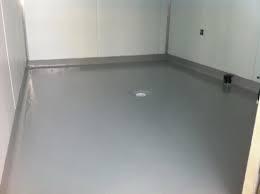
When it comes to upgrading the look and durability of your home, flooring plays a crucial role. Among the many flooring options available, residential epoxy flooring has emerged as a top choice for homeowners seeking a combination of style, strength, and ease of maintenance. In this article, we’ll explore what residential epoxy flooring is, its benefits, installation process, maintenance tips, and why it might be the perfect choice for your home.
What is Residential Epoxy Flooring?
Epoxy flooring is a type of surface coating made by mixing resin and hardener to create a durable, seamless layer. While it is widely used in commercial and industrial settings, modern innovations have made it ideal for residential spaces, including garages, basements, kitchens, and even living areas. Its versatility allows homeowners to enjoy a wide range of colors, textures, and finishes, from sleek and glossy to matte and textured.
Unlike traditional flooring materials like tile, carpet, or hardwood, epoxy forms a monolithic surface, meaning there are no grout lines or seams where dirt and moisture can accumulate. This makes it particularly suitable for areas prone to spills, dirt, and high foot traffic.
Benefits of Residential Epoxy Flooring
-
Durability and Strength
Epoxy flooring is highly resistant to wear and tear, making it perfect for high-traffic areas. It can withstand heavy furniture, appliances, and even vehicles in garages without chipping or cracking. This long-lasting quality ensures your investment will serve your home for many years. -
Low Maintenance
One of the most attractive features of epoxy flooring is its low maintenance. Unlike hardwood or carpet, epoxy surfaces are easy to clean. A simple mop or sweep is often enough to keep it looking pristine. Additionally, epoxy is resistant to stains, chemicals, and moisture, making spills easy to manage. -
Aesthetic Appeal
Residential epoxy flooring offers endless design possibilities. Homeowners can choose from solid colors, metallic finishes, or decorative flakes to achieve a unique look. The glossy finish reflects light, brightening up rooms and giving spaces a modern, polished appearance. -
Slip Resistance and Safety
While glossy epoxy can appear smooth, anti-slip additives can be incorporated into the mix to improve traction. This makes it a safer option for homes with children or elderly residents, reducing the risk of slips and falls. -
Cost-Effective Solution
Compared to other flooring options like natural stone or hardwood, epoxy is often more affordable while still providing a premium look. Its durability also means fewer repairs or replacements, saving homeowners money over time. -
Environmentally Friendly
Epoxy coatings are low in volatile organic compounds (VOCs), which means they release fewer harmful chemicals into your home environment. Some formulations are even made from recyclable materials, making them a more sustainable flooring choice.
Where to Use Residential Epoxy Flooring
Residential epoxy flooring is highly versatile and can be applied to various areas within a home:
-
Garage Floors: Epoxy is perfect for garage floors as it withstands heavy vehicles, oil spills, and other chemicals. Its resistance to cracking and peeling ensures a long-lasting, clean surface.
-
Basements: Basements often suffer from moisture and dampness. Epoxy coatings provide a water-resistant surface that prevents mold and mildew growth while creating a polished, inviting space.
-
Kitchens and Laundry Rooms: Epoxy is easy to clean and resistant to stains, making it an ideal choice for areas prone to spills and messes.
-
Living Areas and Hallways: Modern epoxy designs can complement any interior décor, offering a seamless and stylish flooring option for living rooms, hallways, or even home offices.
Residential Epoxy Flooring Installation
Installing epoxy flooring requires careful preparation to ensure a long-lasting and flawless finish. Here’s an overview of the process:
-
Surface Preparation:
The existing floor must be clean, dry, and free of cracks or imperfections. Concrete floors are often ground or etched to create a surface that allows the epoxy to adhere properly. -
Priming:
A primer coat is applied to improve adhesion and ensure an even finish. This layer also helps prevent bubbles and other imperfections in the final coating. -
Mixing Epoxy:
The epoxy resin and hardener are mixed together according to manufacturer instructions. The mixture must be applied within a specific timeframe to ensure proper curing. -
Application:
The epoxy is poured and spread evenly using rollers or squeegees. Decorative elements like flakes or metallic pigments can be added at this stage to achieve the desired look. -
Topcoat:
A clear topcoat is applied to protect the surface, enhance durability, and add a glossy or matte finish. The topcoat also improves resistance to scratches and UV exposure. -
Curing:
The floor is left to cure for 24-72 hours depending on the type of epoxy used. During this period, it’s important to avoid foot traffic or heavy objects on the surface.
Maintenance Tips for Residential Epoxy Flooring
Maintaining epoxy flooring is relatively simple:
-
Regular Cleaning: Sweep or vacuum regularly to remove dust and debris.
-
Mopping: Use a mild detergent and warm water to mop the surface. Avoid harsh chemicals that may damage the epoxy.
-
Avoid Sharp Objects: While epoxy is tough, avoid dragging sharp or heavy objects directly on the surface to prevent scratches.
-
Reapply Topcoat: For areas with heavy use, reapplying a protective topcoat every few years can extend the lifespan and maintain the floor’s shine.
Why Choose Residential Epoxy Flooring?
Residential epoxy flooring offers the perfect balance of durability, style, and functionality. Its seamless, low-maintenance surface makes it ideal for modern homes, while the range of design options allows homeowners to customize their floors to match any interior style. Whether you’re looking to upgrade your garage, basement, kitchen, or entire home, epoxy flooring provides a long-lasting, attractive, and cost-effective solution.
In addition, its safety features, eco-friendliness, and resistance to everyday wear make it a practical choice for families. With professional installation and proper maintenance, residential epoxy floors can transform ordinary spaces into stunning, functional areas that enhance the overall value and appeal of your home.
Conclusion
Residential epoxy flooring is more than just a practical solution—it’s an investment in style, durability, and long-term convenience. From glossy finishes to textured, anti-slip designs, homeowners have an array of choices to elevate their spaces. By combining aesthetic appeal with unmatched durability and easy maintenance, epoxy flooring is rapidly becoming a top choice for modern homes. Whether for garages, basements, or living areas, epoxy offers a versatile, long-lasting flooring option that stands the test of time.

 English
 Arabic
 French
 Spanish
 Portuguese
 Deutsch
 Turkish
 Dutch
Dutch
 Italiano
 Russian
 Romaian
 Portuguese (Brazil)