


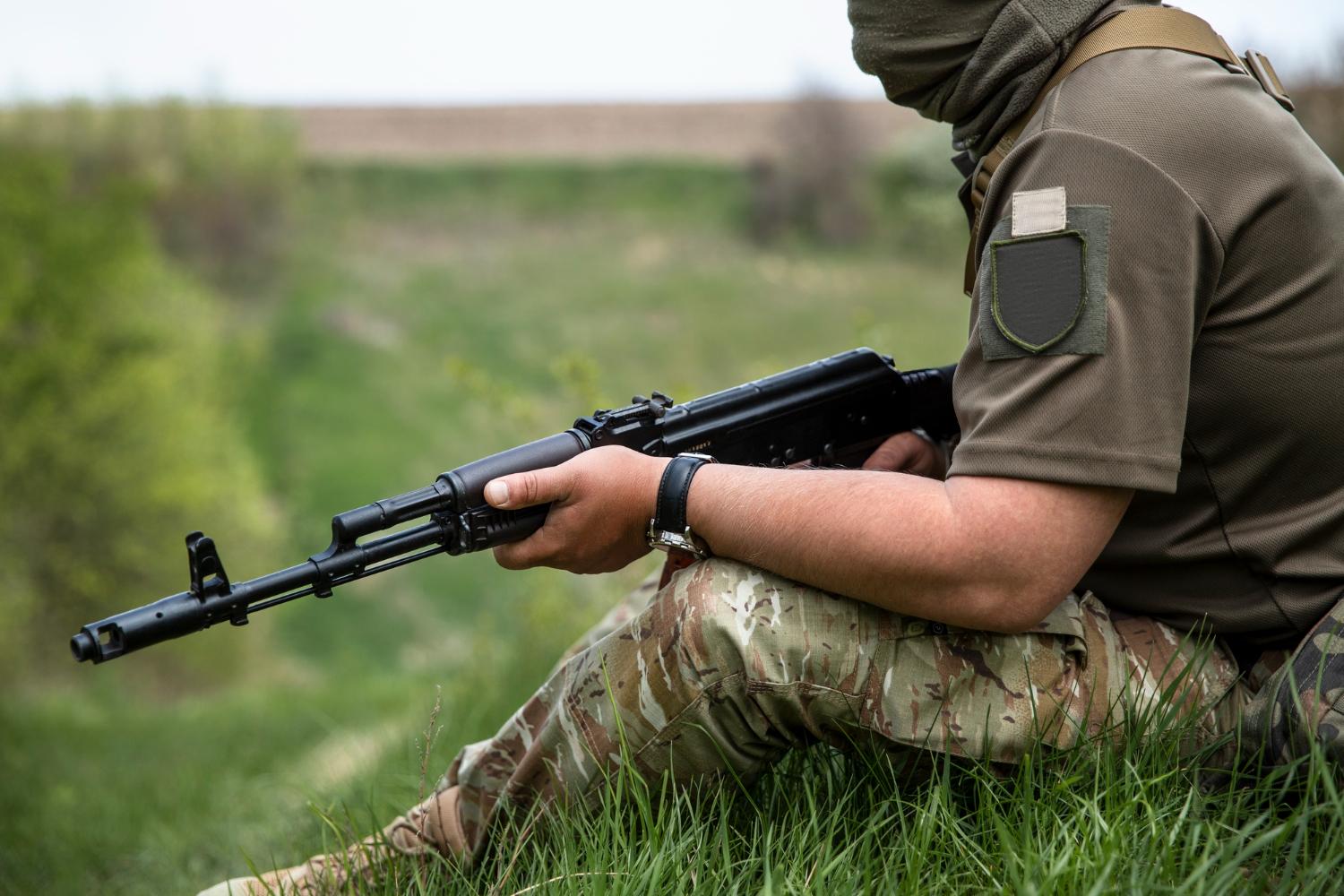
In an uncertain world, many people are thinking more seriously about personal safety. But while the impulse to protect yourself is natural, choosing the right tool and using it responsibly matters enormously. This post unpacks two common non-lethal options—blank guns for self defence and air gun options—so you can make an informed, legal, and practical choice. We’ll walk through how each option works, real-world uses, legal and safety considerations, best-practice storage and training, and how to decide which might suit your lifestyle. Throughout, I’ll link to trusted product pages so you can explore specific models and responsible sellers.
Understanding the basics: non-lethal doesn’t mean risk-free
The phrase “non-lethal” can be misleading. Blank guns and air guns are generally intended to disable, deter, or signal—not to kill—but both can still cause serious injury or legal trouble if misused. Blank-firing devices produce loud muzzle reports and muzzle flash, which can deter attackers or simulate a real firearm during training. Air guns (including pellet rifles) use compressed air to propel projectiles and can be highly accurate and powerful—suitable for sport, pest control, or defence in certain jurisdictions. Knowing what each tool does and its limits is the first step toward responsible ownership.
Blank guns for self defence: deterrence, ease of carry, and important caveats
Blank guns are designed to fire blanks—cartridges that create noise, flash, and recoil but no projectile. For many, the appeal lies in their psychological deterrent: a loud bang and a visible muzzle flash can startle an attacker and buy crucial seconds to escape. They’re often compact, easy to carry, and simpler to maintain than live firearms.
However, there are several caveats:
-
Effectiveness varies. The success of a blank gun as a deterrent depends on context: lighting, the attacker’s awareness, and whether the device looks convincingly real.
-
Legal differences matter. Some countries and regions treat blank guns as replica firearms and regulate them heavily; others allow ownership with few restrictions. Always check local laws before buying or carrying.
-
Safety first. Never point a blank gun at someone unless you intend a defensive warning; at close range, the gases and wadding expelled can cause injury. Treat every device as if it were capable of harm—handle with care, use proper holsters, and follow manufacturer instructions.
If you’re curious about models and suppliers, reputable sellers can be a helpful place to start your research—here’s a source for exploring blank guns for self defence in greater detail. Use that link to compare designs, check safety features, and read product specifics before buying.
Air guns: a versatile option with sporting roots and practical uses
Air guns cover a broad spectrum—from low-power pistols used for target practice to high-powered pellet rifles capable of humane pest control. Modern pellet rifles can be impressively accurate and, in some cases, powerful enough to cause severe injury. That makes them useful for sport shooting, small-game hunting where legal, and conservation-minded pest control.
When evaluating air guns, consider these factors:
-
Power and calibre. Common calibres include .177 and .22; the latter generally offers greater stopping power. High-velocity pellets can travel fast enough to penetrate clothing and skin.
-
Accuracy and ergonomics. For sport shooting, look for consistent trigger pull, barrel quality, and adjustable sights or optics.
-
Maintenance and consumables. Air guns require regular cleaning, appropriate pellets, and (for some types) careful attention to seals and compressors.
For a reliable starting point when shopping or researching, check out this comprehensive air gun resource that lists pellet rifles and accessories. It’s a practical way to compare models, see specifications, and learn what accessories you’ll need.
Comparing the two: when one makes more sense than the other
Blank guns and air guns serve different needs. If your priority is deterrence and a low-profile carry option, a blank gun might fit—especially in environments where discharging an actual projectile would be unsafe or illegal. But if you value accuracy, multiple uses (sport, pest control, training), and a tangible stopping capability, an air gun could be more appropriate.
A few practical comparisons:
-
Noise vs. impact: Blank guns excel at loud audio-visual deterrence. Air guns have physical impact—useful for stopping threats at short range but also more regulated.
-
Training crossover: Air guns are better for realistic firearm training because they use projectiles and require aiming, breath control, and follow-through.
-
Concealability and perception: Blank guns may look more like real firearms, which can escalate legal or confrontational situations; air rifles are usually bulkier and less concealable.
Ultimately, the right choice depends on your personal situation, legal environment, and willingness to train responsibly.
Legal landscape and responsibilities: don’t skip this step
Before you buy or carry either type of device, understand local laws. Regulations can differ dramatically—blank guns may be restricted as “replica firearms,” air guns might require licensing in some jurisdictions, and discharging any weapon in public can carry severe penalties.
Practical steps:
-
Check national and local statutes. Some areas require registration, while others ban certain power levels or types outright.
-
Understand self-defence law. Using a device in defence must generally meet standards of proportionality and necessity; claiming self defence is not automatic.
-
Get insured and informed. Some homeowners’ or liability policies may be affected by weapon ownership. Consider legal advice if you plan to carry for personal protection.
Being legally compliant protects you from criminal charges and civil liabilities—don’t assume your neighbour’s practices apply to you.
Training, storage, and safety: how to be a responsible owner
Owning a blank gun or air gun means accepting responsibility. Follow these best practices:
-
Training: Take an accredited self-defence or firearms safety course. Practice regularly at a licensed range, and if possible, get instruction from certified trainers.
-
Storage: Use a secure lockbox or gun safe, plus cable locks for individual devices. Store ammunition (or blanks/pellets) separately, and keep keys/access codes secure.
-
Maintenance: Clean and inspect your device according to the manufacturer’s guidelines. For air rifles, check seals and pressure components regularly.
-
Use rules: Never brandish a device to intimidate unless you’re in genuine imminent danger. If you discharge a device in defence, report to authorities promptly and document the incident.
These measures reduce accidents, theft, and legal exposure. Responsible ownership also improves public perception and safety outcomes.
Real-world scenarios and practical advice
Consider two scenarios:
-
Urban commuter: You walk home late from work; your priority is a compact device that can startle and allow escape. A blank gun carried legally in a holster may deter an attacker and avoid lethal escalation. But remember that if the attacker knows it’s a blank, deterrent value drops.
-
Rural homeowner: You need multiple functions—target practice, pest control, and a defensive option around property. A high-quality pellet rifle may serve multiple roles, provided it’s legal and you’re trained.
No single tool solves every problem. Often, layered approaches—awareness, avoidance, alarm systems, pepper spray, and then a device if legal and trained—provide the best overall protection.
Responsible purchase: how to evaluate sellers and products
When buying, prioritize transparency, customer service, and safety features:
-
Product specs and manuals. The seller should provide clear specifications, power ratings, and user manuals.
-
After-sales support and spare parts. Good vendors offer maintenance help and replacement components.
-
Reviews and reputation. Look for community feedback and avoid sellers that obscure legal responsibilities.
For browsing reputable product options and comparing specifications, the two links below are helpful starting points:
-
Explore blank guns for self defence options and safety features.
-
Compare air gun models, calibres, and accessories.
Use these pages to understand models, but pair that research with local legal checks and hands-on training.
Conclusion — safety, legality, and the wisdom of preparedness
Choosing a non-lethal protection tool should never be a snap decision. Both blank guns and air guns can play legitimate roles in personal safety, sport, and property protection—but only when used legally and responsibly. Start by assessing your real needs, check local laws, get proper training, and enforce strict safety and storage practices. If you’re ready to explore options, take a careful look at product pages for specifications and safety guidance—beginning with the linked resources above. Preparedness is about more than tools; it’s about practice, legality, and the humility to choose de-escalation first.
Frequently Asked Questions (FAQ)
1. Are blank guns effective for self-defence?
Blank guns can be effective as a deterrent because of their loud report and flash, which can startle an attacker. However, their effectiveness depends on the situation, and they should not be relied on as the only means of protection—training and legal awareness are essential.
2. Can air guns be dangerous or lethal?
Yes. High-powered air guns and pellet rifles can cause serious injury or death at close range. Treat them with the same safety precautions as any other projectile weapon, and follow local regulations regarding ownership and use.
3. Do I need a licence to own a blank gun or an air gun?
This depends on your country and local laws. Some places require licences, others regulate by power or treat blank guns as replicas. Always check national and local statutes before purchasing or carrying any device.
4. What safety gear and training should I get?
Start with a recognized firearm or airgun safety course, eye and ear protection for range use, and practice in a supervised environment. Invest in secure storage—a certified safe or lockbox—and use lockable holsters or cable locks when transporting.
5. How should I store blanks and pellets?
Store blanks, pellets, and any compressed-gas cylinders separately from the device in a locked container. Keep them in a cool, dry place away from children and unauthorized users.
6. If I use a device in self-defence, what should I do afterward?
Ensure you and others are safe, call emergency services if anyone is injured, and report the incident to the police. Preserve evidence, document the event, and consult legal counsel if necessary.

 Arabic
 French
 Spanish
 Portuguese
 Deutsch
 Turkish
 Dutch
Dutch
 Italiano
 Russian
 Romaian
 Portuguese (Brazil)
 Tiếng Việt