


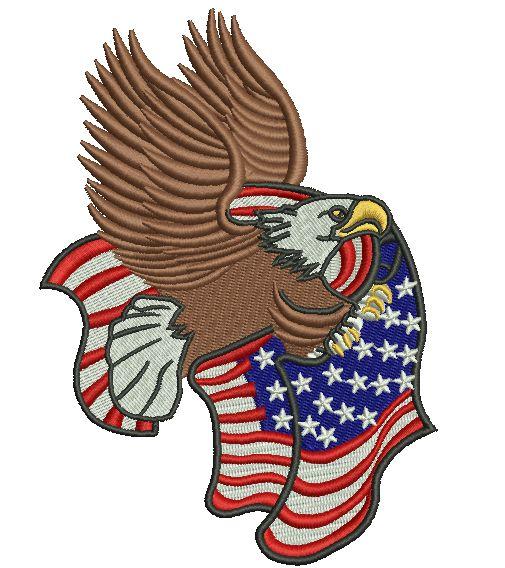
Getting embroidery right is the difference between clothing people forget and pieces they remember. The real magic isn’t just in the needle and thread—it starts long before that, inside the digital file that sets the entire process in motion. That’s where quality embroidery digitizing services make all the difference.
When a clothing or embroidery business wants to turn a great design into a standout product, the digitizing step is absolutely critical. If the file isn’t up to scratch, the finished embroidery can unravel, pucker, or just fall flat. Here’s what you need to know to find services you can trust, and how to set your brand up for success with every stitch.
What Is Embroidery Digitizing Services?
Every design you see stitched onto a hoodie, hat, or jacket started as a digital file. But you can’t feed just any logo or picture to an embroidery machine. Digitizing is the step where experts take your art (from a JPEG, PNG, vector, or even a scan) and translate it into detailed instructions—down to each individual stitch—for the machine.
Skilled digitizers don’t simply press a button. They select:
- Stitch Type: Do they use satin, fill, or running stitches? Each creates a specific look and texture.
- Stitch Direction: The angle changes how the light catches the thread, adding subtle dimension.
- Density: Too many stitches can stiffen fabric and make it distort, but too few won’t hold up to wear.
- Underlay: Little-known, essential layers that stabilize and prep the fabric before the top stitches go down.
- Push/Pull Compensation: Fabrics flex and move. Great digitizers anticipate this, so your design keeps its crisp edges and true shapes.
A strong partner brings technical skill and a deep understanding of materials, meaning your brand’s vision comes through on every garment—no matter the fabric or complexity.
How to Choose the Best Embroidery Digitizing Services
The search for top-tier digitizing partners can be tricky. There are plenty of options out there, but not every service will take your clothing line to the next level. Here’s how seasoned brands narrow the field.
1. Examine Their Real-World Results
Start where the thread hits the fabric—the portfolio. Experienced providers don’t just show off pretty screenshots; they post actual examples of logos, monograms, and artwork embroidered onto shirts, hats, bags, and more.
- Complex Designs: Can they pull off tiny lettering or intricate patterns cleanly?
- Material Range: Look for proof they know their way around all sorts of garments, from thick denim to soft tees.
- Reliability: Are their results consistently sharp, well-aligned, and visually true to the original design?
A mixed or barebones portfolio is usually a red flag. You want proof of skill on different projects because your own needs will evolve as your brand grows.
2. Prioritize Service, Not Just Speed
You’re often racing the clock in fashion, but quality trumps instant delivery. The best services offer quick turnaround—sometimes in mere hours—but never by cutting corners.
Great support is worth its weight in gold. The ability to call, chat, or email a real, knowledgeable person makes a huge difference, especially when you need design tweaks or have a rush order. Drop a provider a pre-sale question and see how fast and thoroughly they respond. If they’re quick to help before the sale, they’ll likely deliver that same support in a crunch.
3. Compare Real Costs, Not Just Quotes
Price ranges for custom embroidery digitizing can vary widely. Some providers quote per design, others by stitch count. While the lowest quote might look appealing, shaving costs with automated tools or inexperienced staff is rarely worth the risk—missed details, wasted materials, and do-overs will cost you more down the line.
Look for a provider that’s open about pricing, offers no-obligation quotes, and can explain exactly what you’re getting for your money. Reliable digitizing is an investment in your brand’s longevity.
Pro Tips for Working with a Digitizing Partner
Getting great results depends on what you provide and how you communicate. Here’s how the best brands make the most of their partner’s skills:
- Use Quality Originals: Crisp, high-resolution art files mean the digitizer has the details they need to work with. Vectors (.AI, .EPS, .SVG) are ideal, but a sharp .PNG or .JPEG can also do the trick.
- Name the Fabric: Let your digitizer know exactly where the design will go—whether it’s a structured cap, a stretchy performance shirt, or plush fleece, each demands a unique approach.
- Be Precise with Size: Supply the dimensions you want for your embroidery. Don’t assume “whatever fits” will look best.
- Share Color Codes: If you have brand colors, give Pantone or thread color numbers—the closer the match, the better your finished product.
- Ask for Proofs: A digital mockup lets you spot minor issues before they become costly mistakes.
- Test Before Bulk Production: Run a test on a spare blank. Catching problems now protects your entire order.
The Foundation of a Great Embroidery Business
The clothes you produce say everything about your brand’s standards and attention to detail. Even the boldest, most creative designs can miss the mark if the digitizing isn’t excellent. Investing in reputable embroidery digitizing services is an investment in your reputation and the satisfaction of your customers.
Take the time to screen potential providers, understand their process, and give them all the information they need. Doing this not only streamlines production but also sets you up for years of loyal customers who know your clothing stands out. When you’re ready to take the hassle out of custom embroidery, consider partnering with a trusted name like 1dollardigitizing to meet your digitizing needs.

 English
 Arabic
 French
 Spanish
 Portuguese
 Deutsch
 Turkish
 Dutch
Dutch
 Italiano
 Russian
 Romaian
 Tiếng Việt