


In today’s digital-first world, verifying identity securely and efficiently is crucial for businesses and users alike. With cyber threats and identity fraud on the rise, organizations are turning to advanced technologies such as NFC verification and facial verification to ensure trustworthy digital interactions. These tools are reshaping how industries like banking, fintech, healthcare, and travel authenticate individuals while providing a seamless user experience.
What is NFC Verification?
NFC (Near Field Communication) verification is a secure method of authenticating identity documents such as passports, ID cards, or driver’s licenses. Most modern IDs are embedded with an NFC chip that stores encrypted biometric and identity data. By using an NFC-enabled device, organizations can quickly read this chip to verify the authenticity of the document and confirm the holder’s details. Unlike manual checks, NFC verification minimizes human error, detects forged documents, and ensures compliance with regulations such as KYC (Know Your Customer) and AML (Anti-Money Laundering).
How Facial Verification Works
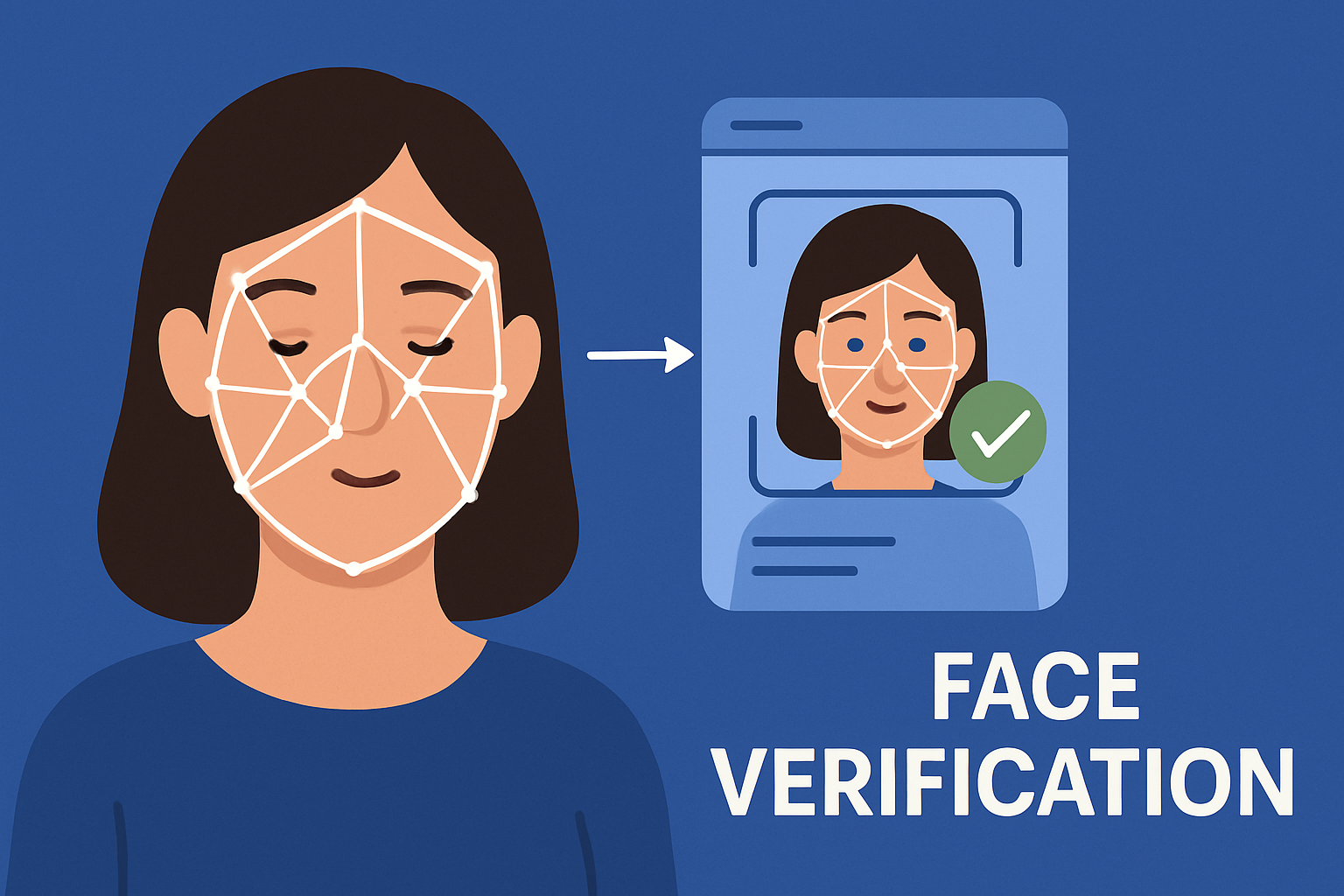
Facial verification, often powered by AI and machine learning, matches a person’s live facial image with the photo stored in their identity document or database. By analyzing unique biometric markers—such as the distance between eyes or facial contours—this technology confirms whether the individual is truly who they claim to be. Enhanced with liveness detection, facial verification can prevent spoofing attempts using photos, videos, or masks. This makes it a highly reliable method for remote onboarding, secure access, and digital transactions.
Benefits of Combining NFC and Facial Verification
Individually, both NFC and facial verification provide strong layers of security. However, when combined, they create a robust multi-factor authentication system:
-
Enhanced Security – Cross-verifying NFC chip data with live facial biometrics significantly reduces the risk of identity fraud.
-
Seamless User Experience – Users can verify themselves in seconds without visiting a branch or submitting lengthy paperwork.
-
Regulatory Compliance – Businesses meet stringent global KYC and AML requirements with ease.
-
Scalability – Ideal for industries handling large volumes of customer onboarding such as banks, telecom, and online marketplaces.
Real-World Applications
-
Banking & Fintech: Secure digital onboarding of customers without physical branch visits.
-
Travel & Immigration: Fast and secure passenger identity checks at airports.
-
Healthcare: Safe verification of patients and staff for sensitive medical data access.
-
E-commerce & Telecom: Reliable customer identity verification during SIM registration or high-value purchases.
Final Thoughts
As digital transactions become more widespread, businesses cannot rely on outdated identity verification methods. NFC verification and facial verification provide the perfect balance between security and convenience, ensuring trust in every interaction. By adopting these technologies, organizations not only protect themselves from fraud but also deliver a faster, more user-friendly experience that builds customer confidence.

 English
 Arabic
 French
 Spanish
 Portuguese
 Deutsch
 Dutch
Dutch
 Italiano
 Russian
 Romaian
 Portuguese (Brazil)
 Tiếng Việt