


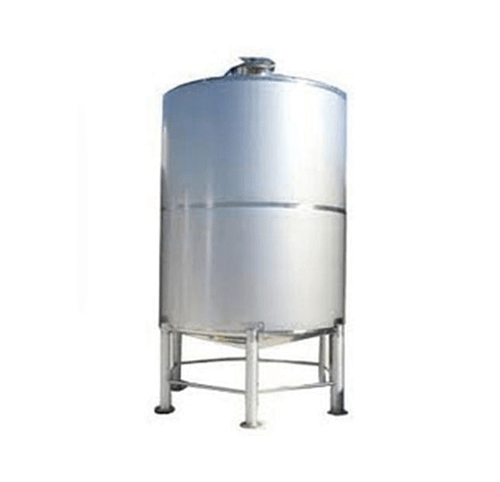
In today’s industrial world, stainless steel tanks play a crucial role in the storage and processing of liquids, chemicals, food ingredients, and pharmaceuticals. From breweries to water treatment facilities, choosing the right tank is not just about capacity—it’s about durability, compliance, efficiency, and long-term cost savings.
With multiple options available in the market, industries often face the challenge of selecting a tank that meets their specific operational needs. In this article, we’ll explore the key factors to consider when choosing the right stainless steel tank for your industry, ensuring you make a smart and sustainable investment.
1. Understand Your Application and Industry Requirements
The first step in choosing the right tank is identifying what you need to store and the specific conditions your industry demands.
-
Food and Beverage Industry: Requires hygienic designs, smooth finishes, and compliance with food-grade standards. Tanks for milk, wine, or beer must also be resistant to corrosion and easy to sanitize.
-
Pharmaceutical Industry: Needs ultra-clean designs with strict sterilization features to prevent contamination. Tanks often include special coatings or electropolished finishes.
-
Chemical Industry: Requires tanks that can withstand corrosive chemicals, acids, and solvents. Special alloys or coatings may be necessary.
-
Water Treatment and Utilities: Focus on long-term durability and resistance to rust, scaling, and varying water pH levels.
Matching your industry’s compliance standards (such as FDA, GMP, or ASME certifications) is critical to ensuring the tank operates safely and efficiently.
2. Choose the Right Capacity and Size
Every industry has different storage and processing needs. While smaller plants may require compact vessels, larger facilities often need tanks with thousands of liters of capacity.
Factors to consider include:
-
Daily throughput and production volume.
-
Space available in your facility for installation.
-
Future scalability needs—whether your plant may require expansion.
-
Whether the tank is for short-term storage, bulk holding, or processing.
Oversizing a tank leads to wasted energy and higher costs, while undersizing can disrupt operations. Proper capacity planning ensures the best performance from your investment.
3. Select the Appropriate Tank Design
Stainless steel tanks come in different shapes and configurations to serve specific purposes. Common options include:
-
Vertical Tanks: Ideal for space-saving installations. Often used in water storage and beverage industries.
-
Horizontal Tanks: Suitable for larger volumes and industries requiring easy access for cleaning.
-
Jacketed Tanks: Designed for heating or cooling processes, commonly used in food, dairy, and chemical applications.
-
Mixing Tanks: Equipped with agitators or mixers for blending liquids, powders, or semi-solids.
-
Pressure Tanks: Used in processes where materials must be stored or processed under pressure.
Selecting the right design ensures the tank integrates seamlessly into your production line.
4. Material Grade and Construction
Not all stainless steels are the same. The grade of steel used in your tank determines its resistance to corrosion, heat, and chemical damage.
-
SS304: Most commonly used, offering excellent corrosion resistance and durability. Suitable for food and beverages.
-
SS316: Provides superior resistance to acids, alkalis, and chlorides. Preferred in pharmaceuticals and chemical plants.
-
Duplex or Special Alloys: Required for highly corrosive or high-pressure environments.
The welding method, thickness of the steel, and finishing quality also play a significant role in determining how long your SS storage tank will last.
5. Safety and Compliance Features
Safety should always be a top priority. Tanks must comply with industry regulations and incorporate features that protect both the material being stored and the operators handling them.
Important safety considerations include:
-
Pressure relief valves in case of over-pressurization.
-
Proper venting systems to handle gases and vapors.
-
Food-grade or pharmaceutical-grade seals and gaskets.
-
Certifications such as ASME, PED, or GMP depending on your industry.
Investing in a certified tank reduces risks and ensures smooth audits and inspections.
6. Ease of Cleaning and Maintenance
Cleanability is a major concern, especially in industries where hygiene is paramount.
Look for tanks with:
-
CIP (Clean-in-Place) Systems: Automated cleaning solutions that reduce downtime.
-
Polished Interiors: Prevents material buildup and contamination.
-
Accessible Openings: For manual inspection and cleaning when needed.
A well-maintained ss tank lasts longer, reduces contamination risks, and minimizes maintenance costs.
7. Additional Features and Customization
Modern tanks often come with additional features that add value to operations:
-
Level Indicators: To monitor product volume.
-
Mixing Systems: For blending or homogenizing liquids.
-
Temperature Control: Integrated heating or cooling jackets.
-
Automation: Sensors and control systems for smart monitoring.
Customization ensures that your tank is tailored to your specific processes rather than forcing your operations to adapt to standard designs.
8. Work with Trusted Partners
Finally, one of the most important steps in choosing the right steel tank is selecting a trusted partner. Working with a reliable storage tank supplier or a reputed storage tank manufacturer ensures you receive a product that meets both technical and quality standards.
Experienced partners also provide after-sales support, spare parts, and maintenance services, which are crucial for long-term efficiency. A poor-quality supplier may cut corners, leading to frequent breakdowns and compliance issues—costing more in the long run.
Conclusion
Selecting the right storage tank is not just a purchase decision—it’s a strategic investment that impacts your production efficiency, compliance, and overall operating costs. By considering your application, capacity needs, tank design, material grade, safety features, and long-term maintenance, you can ensure that your tank delivers maximum value.
Whether you’re in the food, pharmaceutical, chemical, or utility sector, choosing the right stainless steel tank can make the difference between smooth operations and costly disruptions. Partnering with experienced suppliers and manufacturers will help you get a tank that is reliable, compliant, and built for your industry’s unique demands.

 English
 Arabic
 Spanish
 Portuguese
 Deutsch
 Turkish
 Dutch
Dutch
 Italiano
 Russian
 Romaian
 Portuguese (Brazil)
 Tiếng Việt