


Protein serves as the structural foundation of every cell in the body, but its role goes far beyond muscle repair. For athletes and active individuals, protein intake directly influences recovery speed, muscular endurance, and overall energy availability. When the body lacks sufficient protein, it resorts to breaking down muscle tissue, which sabotages both performance and progress. Ensuring daily intake meets individual needs is non-negotiable for those aiming to perform at their peak.
How Protein Supports Muscle Synthesis and Strength Gains
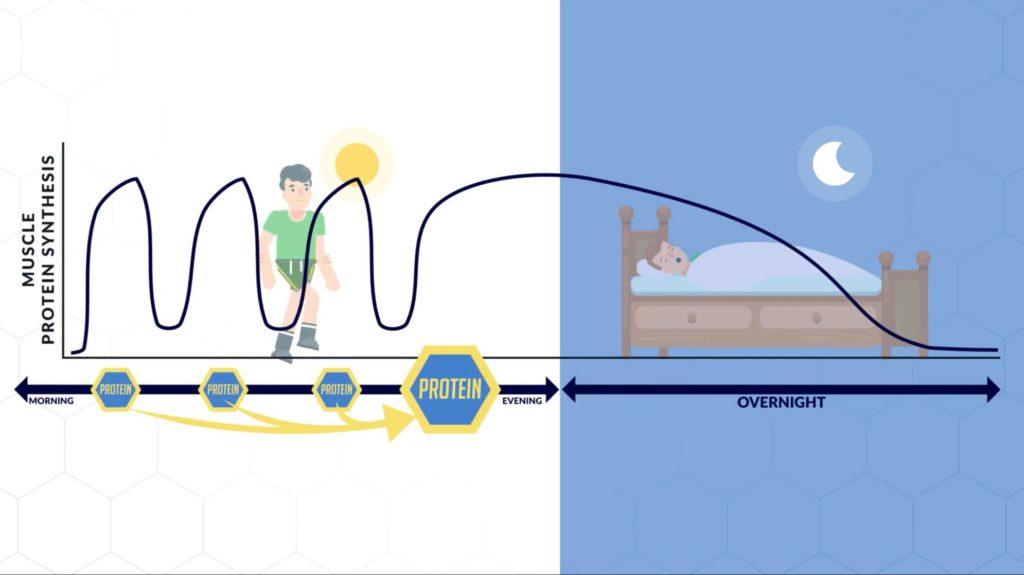
Every time we train, microscopic tears form in the muscle fibers. The body responds by repairing and rebuilding these fibers stronger than before, a process called muscle protein synthesis. Adequate protein consumption ensures this rebuilding process occurs efficiently. Without it, training becomes counterproductive. We recommend spreading protein intake evenly across meals, aiming for roughly 20 to 30 grams every 3 to 4 hours, depending on body weight and activity level.
Types of Protein Sources and Their Impact
Not all proteins are equal in their bioavailability or amino acid profiles. Complete proteins—those containing all nine essential amino acids—are most effective for muscle repair and overall health. Animal-based sources like lean beef, eggs, poultry, and fish offer complete profiles. For plant-based eaters, combinations such as beans with rice or quinoa with lentils can meet these needs. Whey protein is one of the most researched options due to its high leucine content and rapid absorption, which makes it ideal post-workout.
Daily Protein Requirements Based on Activity Level
General dietary guidelines suggest 0.8 grams of protein per kilogram of body weight for sedentary individuals. However, active people require more. Endurance athletes may need between 1.2 to 1.4 grams per kilogram, while strength athletes and bodybuilders often need up to 2.0 grams. It’s not about following a fixed number—it’s about adjusting intake based on training intensity, recovery needs, and personal goals.
Some individuals also require specialized options due to allergies or digestive sensitivities. In those cases, incorporating a gluten free protein powder into the routine can offer a simple, effective solution. Many gluten-free formulations now provide complete amino acid profiles and avoid artificial additives. These are especially useful for post-workout shakes or as a quick protein boost when meals aren’t readily available.
Protein Timing: Does It Really Matter?
The concept of nutrient timing remains a topic of debate, but research generally supports protein consumption around workouts. Consuming a high-quality protein source within an hour after training can improve muscle protein synthesis and recovery. However, what matters more than the exact timing is meeting daily protein targets consistently. Those who train multiple times a day or engage in high-intensity sessions may benefit from timing their protein more precisely to avoid fatigue and optimize repair.
Casein vs Whey: Choosing the Right Protein
Whey protein is absorbed quickly and is ideal for immediately after workouts. Casein, on the other hand, digests slowly and is better suited for nighttime recovery or long gaps between meals. Both have unique advantages and can be used strategically throughout the day. Combining them may offer a broader spectrum of benefits. According to research published on PubMed, casein's slow-release property may help reduce muscle breakdown overnight when consumed before bed.
Protein and Mental Performance
While protein’s impact on physical performance is well-documented, its influence on mental clarity and cognitive function often gets overlooked. Amino acids, the building blocks of protein, play a crucial role in neurotransmitter production. For instance, tyrosine helps produce dopamine, which regulates motivation and focus. Those who train regularly while managing demanding work or academic schedules may notice improved alertness and reduced fatigue with consistent protein intake. Skipping protein in favor of quick carbs can lead to crashes that hurt both gym and mental performance.
Hydration and Protein Absorption
Protein metabolism requires water. Staying adequately hydrated is essential to support kidney function and aid digestion of high-protein diets. Many gym-goers focus heavily on protein intake but ignore fluid consumption, which can result in bloating, constipation, or even kidney strain in severe cases. Pair every protein-rich meal with a full glass of water. Herbal teas and electrolyte-infused drinks are also viable options, especially around workouts.
Balancing Protein with Other Macronutrients
Focusing solely on protein can backfire. Carbohydrates fuel workouts, and fats support hormone function. A well-structured plate contains all three macronutrients. A post-workout meal might include grilled salmon (protein and fat), quinoa (complex carbs), and steamed spinach (micronutrients and fiber). Over-prioritizing protein shakes or meat can crowd out other essential nutrients, especially in those with smaller appetites or limited meal times.
Common Myths About Protein Consumption
Several myths persist in fitness circles. One common belief is that excess protein damages the kidneys. While those with pre-existing kidney conditions must monitor intake, healthy individuals can tolerate higher protein levels without issue. Another myth is that more protein always means more muscle. Muscle growth requires not only protein but also progressive overload in training and sufficient calories overall. Simply eating more protein won't substitute for poor workout habits or insufficient recovery.
Monitoring and Adjusting Protein Intake Over Time
Nutritional needs evolve with training intensity, age, and life circumstances. A 22-year-old bodybuilder’s requirements will differ from a 45-year-old endurance runner or a new mother returning to the gym. It’s worth revisiting intake every few months and making changes based on energy levels, performance metrics, and recovery quality. For more detailed guidelines, [Healthline](https://www.healthline.com/nutrition/how-much-protein-per-day) offers evidence-based breakdowns tailored to various goals and populations.
Listen to Your Body’s Signals
Fatigue, brain fog, slow recovery, or nagging hunger may indicate insufficient protein intake. On the other side, excessive protein without enough fiber or hydration can cause digestive distress. No calculator or fitness tracker can replace intuitive feedback from your own body. Stay observant, and adjust accordingly.

 English
 Arabic
 French
 Spanish
 Portuguese
 Deutsch
 Turkish
 Dutch
Dutch
 Russian
 Romaian
 Portuguese (Brazil)
 Tiếng Việt