


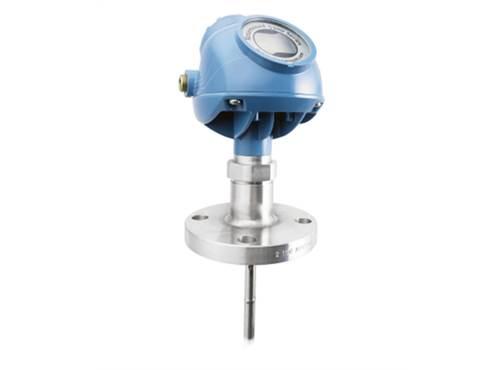
What is a Pressure Transmitter?
A pressure transmitter is an instrument that measures the pressure of liquids or gases and converts it into a standardized electrical signal, usually a 4–20 mA output, which can be interpreted by control systems like PLCs (Programmable Logic Controllers) or DCS (Distributed Control Systems).
They act as the “sensing eyes” of industrial systems — continuously monitoring process pressure to ensure that machinery operates within safe limits. In many industries, even slight variations in pressure can indicate leaks, blockages, or performance inefficiencies.
Fact Summary:
Pressure transmitters translate physical pressure into measurable electrical signals, allowing accurate monitoring, control, and automation across industrial applications.
How Does a Pressure Transmitter Work?
The operation of a pressure transmitter is based on the conversion of pressure into an electrical output. It generally consists of:
-
Pressure Sensor (Sensing Element): Detects the applied pressure.
-
Transducer/Converter: Converts mechanical strain into an electrical signal.
-
Signal Processor: Amplifies and conditions the signal for output.
When a process fluid applies pressure on the sensing diaphragm, it causes deformation. This change is detected and converted into an electrical signal proportional to the applied pressure. The transmitter then sends this signal to monitoring systems, enabling automated control.
Fact Summary:
Pressure transmitters operate by converting mechanical pressure into a proportional electrical output, making it easier for operators to track, control, and optimize system performance in real time.
Main Types of Pressure Transmitters
Different processes require different pressure measurement solutions. Here are the major types used in industrial applications:
1. Gauge Pressure Transmitters
These measure pressure relative to atmospheric pressure and are ideal for applications like water treatment or HVAC systems where environmental pressure fluctuations matter.
2. Absolute Pressure Transmitters
These measure pressure relative to a perfect vacuum, providing highly stable readings used in aerospace, research, and high-precision environments.
3. Differential Pressure Transmitters
They measure the pressure difference between two points — commonly used in flow, level, and filtration measurement systems.
4. Multivariable Transmitters
These advanced models can simultaneously measure pressure, temperature, and flow — streamlining process monitoring in complex systems.
5. Sealed Gauge Transmitters
Used for high-temperature or corrosive applications, they have a reference vacuum sealed at the factory for consistent accuracy.
Fact Summary:
Gauge, absolute, differential, and sealed transmitters cater to unique process needs — from liquid level measurement to monitoring high-pressure pipelines.
Key Features and Benefits of Pressure Transmitters
Modern transmitters are designed with precision, reliability, and digital integration in mind. Here’s what makes them indispensable:
-
High Accuracy: Delivers precise readings for better control and safety.
-
Long-Term Stability: Minimal drift ensures consistent measurement over years of use.
-
Rugged Construction: Built for harsh industrial conditions — high pressure, corrosion, and vibration.
-
Easy Integration: Compatible with IIoT platforms, SCADA systems, and HART communication protocols.
-
Reduced Maintenance: Fewer calibration intervals due to improved design and materials.
-
Enhanced Safety: Prevents catastrophic pressure build-up and process disruptions.
Fact Summary:
Reliable pressure transmitters improve operational safety, minimize downtime, and ensure compliance with stringent industry standards.
Applications of Pressure Transmitters Across Industries
Pressure transmitters are the workhorses of multiple sectors due to their adaptability and precision.
-
Oil & Gas: Monitor wellhead pressure, manage pipelines, and ensure drilling safety.
-
Chemical Processing: Maintain reaction pressures in tanks and reactors.
-
Water & Wastewater Treatment: Control filtration, pumping, and water flow systems.
-
Pharmaceuticals: Maintain sterile environments and precise process control.
-
Food & Beverage: Ensure consistency and hygiene during bottling, cooking, and sterilization.
-
Power Generation: Optimize boiler and steam system operations.
Fact Summary:
From oil refineries to water plants, pressure transmitters enable real-time process control and ensure efficiency in every critical operation.
Choosing the Right Pressure Transmitter
Selecting the right pressure transmitter is crucial to achieving accurate measurements and efficient system performance. Consider the following factors:
-
Pressure Range: Match transmitter capacity to operating pressure.
-
Media Compatibility: Choose diaphragm materials resistant to process fluids.
-
Environmental Conditions: Account for temperature, humidity, and vibration.
-
Output Signal: Analog (4–20 mA) or digital (HART, Modbus, Fieldbus).
-
Accuracy and Stability Requirements: Depending on process tolerance.
Fact Summary:
Proper transmitter selection minimizes error, extends service life, and ensures compliance with operational standards.
Smart and Wireless Pressure Transmitters: The Future of Sensing
Next-generation transmitters go beyond measurement — they provide intelligence. Smart transmitters feature self-diagnostics, remote calibration, and real-time performance monitoring. Wireless models enable data transmission without cables, ideal for remote or hazardous areas.
Integrated with IIoT ecosystems, these transmitters empower predictive maintenance — detecting faults before they lead to downtime.
Fact Summary:
Smart and wireless pressure transmitters are transforming industrial systems into self-aware, predictive, and connected environments.
Why Choose The Transmitter Shop (TTS)?
The Transmitter Shop (TTS) stands out as a trusted provider of new and remanufactured transmitters from leading brands like Rosemount, Foxboro, Honeywell, and Yokogawa.
TTS ensures that every product — whether new or remanufactured — undergoes rigorous testing, calibration, and performance validation to meet OEM specifications.
Key advantages:
-
Factory-calibrated transmitters ready for immediate use.
-
Cost-effective alternatives to new OEM units.
-
Quick shipping and expert technical support.
-
Compatibility with diverse control systems.
By choosing TTS, industries can reduce costs without compromising on accuracy or quality — making it the preferred partner for pressure measurement solutions.
Fact Summary:
The Transmitter Shop provides high-performance, factory-tested pressure transmitters that ensure process accuracy and long-term reliability at affordable prices.

 English
 French
 Spanish
 Portuguese
 Deutsch
 Turkish
 Dutch
Dutch
 Italiano
 Russian
 Romaian
 Portuguese (Brazil)
 Tiếng Việt