


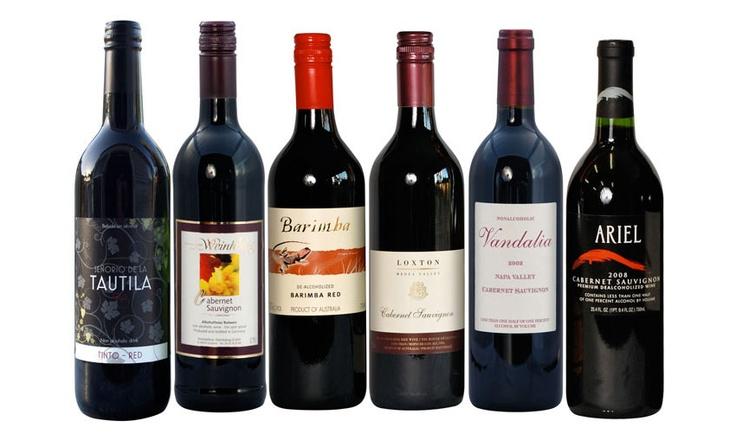
The world of wine has long been associated with social gatherings, celebrations, and fine dining. Yet, in recent years, there has been a significant shift in the way people consume beverages, with a growing emphasis on health, wellness, and mindful drinking. Among these changes, the rise of non-alcoholic wines stands out as a transformative trend that is reshaping the drinking culture. This guide delves deep into the world of non-alcoholic wines, examining their production, varieties, benefits, and cultural significance.
Understanding Non-Alcoholic Wines
Non-alcoholic wines are beverages crafted to mimic the flavors and aromas of traditional wines but with minimal or no alcohol content. While the term "non-alcoholic" may suggest a bland alternative, the reality is quite different. Modern production techniques ensure that these wines maintain complexity, balance, and a profile reminiscent of their alcoholic counterparts.
Traditionally, wine contains anywhere from 10% to 15% alcohol by volume. Non-alcoholic wines, by contrast, are designed to contain less than 0.5% alcohol, making them suitable for individuals who cannot or choose not to consume alcohol. The development of these wines has involved significant innovation in viticulture, fermentation, and filtration techniques, ensuring that taste, texture, and aroma are preserved.
The Production Process
Creating high-quality non-alcoholic wines involves more than simply removing alcohol from regular wine. The process is both scientific and artistic, aiming to retain the original character of the wine. Two primary methods are used:
Vacuum Distillation
This technique involves gently heating wine in a vacuum to evaporate alcohol at a lower temperature, minimizing damage to delicate flavors. By carefully controlling the temperature and pressure, winemakers preserve essential aromatic compounds, producing a beverage that closely mirrors the taste of the original wine.
Reverse Osmosis
In reverse osmosis, wine is passed through a specialized membrane that separates alcohol and water from flavor compounds. The alcohol is then removed, and the flavor-rich liquid is recombined with water, resulting in a non-alcoholic wine that maintains depth, body, and complexity. This method is particularly favored for premium wines where preserving subtle notes is crucial.
These techniques, combined with meticulous grape selection and fermentation management, have elevated non-alcoholic wines from a niche option to a respected category within the beverage industry.
Varieties and Flavors
Just like traditional wines, non-alcoholic wines come in a wide range of varieties. From crisp whites to rich reds, and from sparkling to rosé, there is a non-alcoholic wine to suit every palate.
-
White Non-Alcoholic Wines: Often light, refreshing, and aromatic, these wines are perfect for pairing with seafood, poultry, and fresh salads. Varieties like Chardonnay and Sauvignon Blanc are commonly crafted into alcohol-free options that retain their characteristic citrus, apple, and floral notes.
-
Red Non-Alcoholic Wines: Rich, robust, and full-bodied, these wines offer deep berry flavors, subtle spice, and earthy undertones. Popular grape varieties such as Merlot, Cabernet Sauvignon, and Pinot Noir are now available in non-alcoholic forms, providing the warmth and structure wine lovers expect.
-
Rosé and Blush Wines: Known for their delicate pink hues and fruity flavors, non-alcoholic rosés are gaining popularity for casual drinking, picnics, and summer gatherings.
-
Sparkling Non-Alcoholic Wines: Mimicking the celebratory nature of Champagne and Prosecco, these wines offer effervescence and crispness without the alcohol content, making them ideal for festive occasions where guests may prefer a sober alternative.
Each style offers a unique tasting experience, highlighting the versatility and innovation within the non-alcoholic wine industry.
Health and Wellness Considerations
One of the main drivers behind the rise of non-alcoholic wines is health consciousness. Regular alcohol consumption has been linked to various health risks, including liver damage, increased risk of certain cancers, and cardiovascular concerns. Non-alcoholic alternatives offer a way to enjoy wine's sensory pleasure without these risks.
Moreover, non-alcoholic wines contain fewer calories than their traditional counterparts, making them appealing to individuals aiming to manage weight or reduce sugar intake. Many varieties are also enriched with antioxidants naturally present in grapes, providing potential benefits for heart health and overall well-being.
For pregnant individuals, those on medication, or anyone seeking to limit alcohol intake, non-alcoholic wines provide a safe and enjoyable alternative, allowing them to participate fully in social and culinary experiences without compromise.
Culinary Pairings and Social Occasions
The versatility of non-alcoholic wines extends beyond their health benefits; they are also a valuable addition to the culinary world. Just as with traditional wine, pairing the right non-alcoholic wine with food can elevate a meal, enhance flavors, and create memorable dining experiences.
-
Seafood and White Wines: A crisp, non-alcoholic Sauvignon Blanc complements the delicate flavors of fish, shellfish, and light pasta dishes.
-
Red Wines and Hearty Meals: Alcohol-free Merlot or Cabernet Sauvignon pairs beautifully with roasted meats, mushrooms, and rich stews.
-
Sparkling Wines for Celebrations: Non-alcoholic sparkling wines make for excellent toasts at weddings, anniversaries, or milestone events, offering the joy of bubbles without the alcohol.
Non-alcoholic wines are also increasingly popular in professional and corporate settings where alcohol consumption may be limited or discouraged. Their presence ensures inclusivity while maintaining a sense of sophistication.
The Cultural Shift Towards Mindful Drinking
The rise of non-alcoholic wines is emblematic of a broader cultural shift toward mindful consumption. Modern consumers are prioritizing health, wellness, and mental clarity over indulgence and excess. This trend is not limited to non-alcoholic beverages; it extends to plant-based diets, reduced sugar products, and functional drinks designed to support physical and mental well-being.
In this context, non-alcoholic wines serve as a bridge between enjoyment and responsibility. They allow individuals to partake in traditions such as wine tasting, holiday toasts, and social gatherings while adhering to personal health goals or lifestyle choices. The growing visibility and availability of these wines in restaurants, bars, and retail spaces reflect changing attitudes toward alcohol and a desire for balanced living.
Challenges and Misconceptions
Despite their growing popularity, non-alcoholic wines face certain challenges and misconceptions. Some critics argue that these wines lack the complexity of traditional wines or fail to capture the true essence of fermented grapes. While there may be differences in body or finish, advances in production technology have significantly narrowed this gap.
Another challenge is consumer education. Many people are unaware of the quality and diversity of non-alcoholic wines, often dismissing them as "children’s drinks" or novelty items. As awareness grows, however, the market is responding with higher-quality offerings, sophisticated packaging, and engaging marketing that highlights taste, craftsmanship, and experience rather than just the absence of alcohol.
Sustainability and Ethical Considerations
Interestingly, non-alcoholic wines also align with trends in sustainability and ethical consumption. The production process often requires fewer resources, and the reduced alcohol content can minimize environmental impact in terms of storage and transportation. Additionally, some wineries producing non-alcoholic wines emphasize organic or biodynamic practices, further appealing to environmentally conscious consumers.
By choosing non-alcoholic wines, individuals are not only making a personal health decision but also contributing to broader sustainability goals. The intersection of taste, wellness, and environmental responsibility makes this category particularly compelling for modern consumers.
Looking Ahead: The Future of Non-Alcoholic Wines
The future of non-alcoholic wines appears bright, with continued innovation, increasing consumer demand, and expanding availability. Industry experts predict that as taste profiles continue to improve and new grape varieties are explored, these wines will gain even greater acceptance among wine enthusiasts.
Emerging markets, particularly in health-conscious regions and countries with strict alcohol regulations, are likely to drive growth. Additionally, collaborations between traditional winemakers and non-alcoholic wine producers are creating hybrid experiences that combine craftsmanship, heritage, and modern technology.
Ultimately, non-alcoholic wines represent more than a beverage choice—they are a cultural statement about mindful living, inclusivity, and enjoyment without compromise.
Conclusion
Non-alcoholic wines are no longer a niche product or a compromise; they have become a sophisticated, versatile, and health-conscious alternative to traditional wines. From intricate production techniques to diverse flavors and mindful consumption benefits, these beverages cater to a broad spectrum of lifestyles and preferences.
Whether enjoyed at a celebratory toast, paired with a gourmet meal, or sipped during a quiet evening, non-alcoholic wines offer an experience that is both pleasurable and responsible. As awareness grows and production quality continues to improve, these wines are poised to become a staple in homes, restaurants, and social gatherings worldwide, redefining the way we think about wine and wellness.

 English
 French
 Spanish
 Portuguese
 Deutsch
 Turkish
 Dutch
Dutch
 Italiano
 Russian
 Romaian
 Portuguese (Brazil)
 Tiếng Việt