


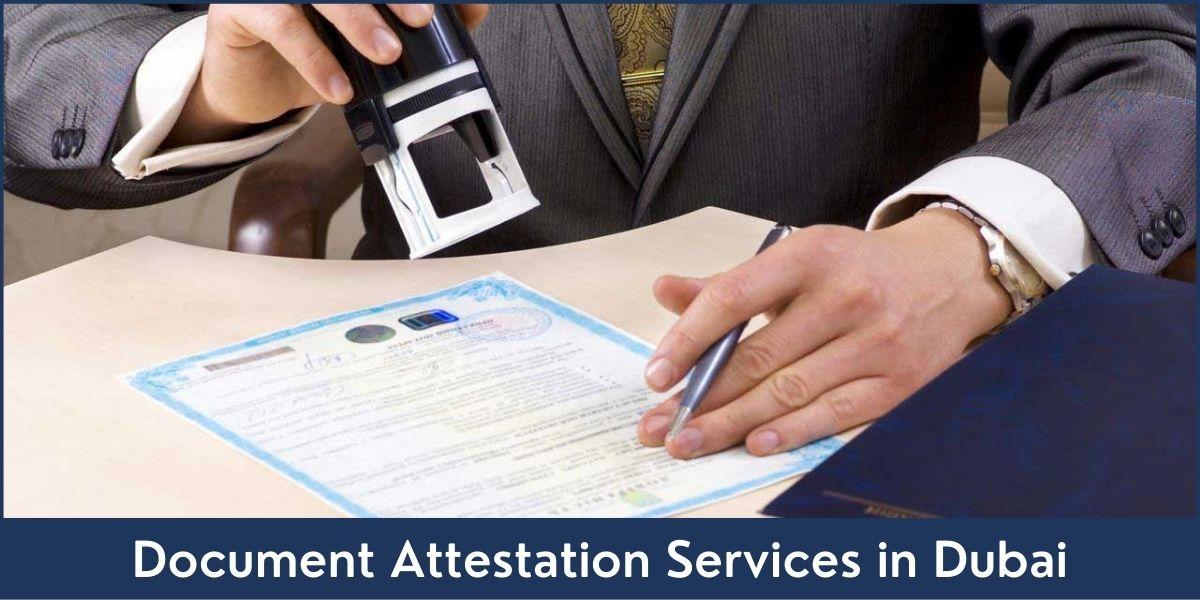
When it comes to using your UK-issued documents abroad—whether for employment, education, immigration, or business—the process of certificate attestation plays a crucial role. It ensures that your documents are legally recognized in another country. However, with the rise in fraudulent practices, fake attestations, and unauthorized agents, verifying the authenticity of your UK certificates attestation has become more important than ever. Understanding how to confirm the genuineness of your documents can protect you from legal troubles, visa rejections, and potential financial losses. This comprehensive guide will explain what attestation is, why verification matters, and how you can confidently check the authenticity of your attested certificates.
Understanding UK Certificate Attestation
Before learning how to verify attestation, it’s essential to understand what the process involves. Attestation is the procedure of certifying that a document is genuine and has been issued by a legitimate authority. For UK documents, the attestation process typically involves several stages, including verification by the issuing authority, authentication by the UK government (Foreign, Commonwealth and Development Office – FCDO), and legalization by the embassy of the destination country. This multi-step process ensures that the document can be accepted for official use abroad. For example, if you are moving to the UAE for a job, your UK degree certificate must be verified by the university, authenticated by the FCDO, and then attested by the UAE Embassy in London. Only after these steps is the certificate valid for use in the UAE.
Why Verifying Attestation Authenticity Is Important
Document attestation is not just a formality—it’s a legal necessity. However, many people fall victim to scams or receive improperly attested documents from unregistered agents. Using unauthenticated or fake certificates can lead to serious consequences, including visa rejection, job termination, or even legal penalties in foreign countries. Verifying the authenticity of your UK attested certificates provides several benefits: it ensures compliance with international legal standards, builds trust with employers or authorities abroad, prevents fraud, and saves time and money by avoiding rejections due to invalid documents. Simply put, verification guarantees peace of mind, knowing that your documents are recognized and accepted globally.
Step-by-Step Guide to Verify UK Attested Certificates
There are several reliable methods to verify the authenticity of your attested certificates. The process depends on where your document is in the attestation chain and which authorities have certified it. Below is a detailed breakdown of the steps involved.
1. Check the Issuing Authority’s Verification
Every attestation process begins with document verification from the issuing body. For example, educational certificates are verified by universities, colleges, or examination boards, while legal documents (birth, marriage, or company certificates) are verified by the relevant government departments such as the General Register Office (GRO) or Companies House. You can verify this step by contacting the issuing institution directly. Most universities in the UK have dedicated verification departments or online systems where you can confirm the legitimacy of issued certificates. Similarly, GRO or Companies House can confirm whether a document has been officially issued.
2. Verify FCDO Apostille Authentication
The UK Foreign, Commonwealth and Development Office (FCDO) plays a central role in the attestation process. The FCDO issues an “Apostille” certificate under The Hague Convention of 1961, which verifies the authenticity of the signature and seal on the document. To confirm whether your document has a valid Apostille, you can visit the official UK government website (www.gov.uk/verify-apostille) and use the Apostille number printed on your document to cross-check its authenticity. The verification tool allows you to confirm details such as the document type, date of issue, and signature of the officer who authenticated it. If your certificate does not appear in the online verification system, it could be a sign that the attestation is fake or incomplete.
3. Verify Embassy or Consulate Attestation
Once your document has been authenticated by the FCDO, it is then legalized by the embassy or consulate of the destination country. For example, if your certificate is to be used in the UAE, it will be attested by the UAE Embassy in London. To verify this stage, you can contact the embassy directly through their official website or helpline. Many embassies provide document verification services or can confirm whether a particular attestation was performed by their office. Always ensure that the embassy stamp and signature on your certificate match the official format, as fake seals are often used by unauthorized agents.
4. Confirm with the Ministry of Foreign Affairs (MOFA) in the Destination Country
Once your attested document reaches the destination country, it often undergoes a final verification by the Ministry of Foreign Affairs (MOFA). For instance, if your document is for use in Saudi Arabia, the UAE, or Qatar, the MOFA in that country will stamp it to confirm authenticity. To verify this, you can visit the MOFA office or use their online verification services (available in many Gulf countries). This step ensures that your document is fully recognized for legal or professional use in that country.
5. Use QR Codes and Digital Verification Systems
In recent years, digital verification has made the attestation process more transparent. Many official attestation bodies and the FCDO now use QR codes or online reference numbers that you can scan or enter into their systems to verify authenticity instantly. If your attested certificate includes a QR code, simply scan it using your smartphone to access official confirmation details. Always check that the link redirects to a genuine .gov or embassy website, as scammers sometimes create fake verification pages.
6. Engage Reputable Attestation Agencies
If you used an attestation service or agency, it’s vital to confirm that they are registered and authorized to handle UK document legalization. Reputable agencies provide tracking IDs, official receipts, and government references for each step of the process. You can verify their credentials by checking reviews, their official registration number, and whether they are recognized by the FCDO or embassy. Avoid agents who offer “express” attestation without proper verification, as this is a common tactic used in fraudulent cases.
7. Inspect the Physical Features of the Attested Document
Authentic attested certificates usually include specific visual and textual elements. These may include embossed seals, holograms, raised stamps, or unique reference numbers. Compare these features with official samples available on embassy or FCDO websites. Be cautious of documents with unclear stamps, inconsistent fonts, or spelling errors—these are often indicators of forgery.
Common Red Flags That Indicate a Fake Attestation
Spotting a fraudulent attestation can be challenging, especially for first-time applicants. However, there are several warning signs that you can look for:
-
The document lacks a valid Apostille number or reference code.
-
The embassy stamp looks printed rather than embossed.
-
The agent refuses to provide a tracking number or receipt.
-
The FCDO or embassy cannot verify the attestation upon inquiry.
-
The process is completed “too quickly” without standard verification steps.
If you encounter any of these issues, do not use the document for official purposes until you confirm its authenticity through the proper channels.
Legal Implications of Using Fake Attested Certificates
Using forged or invalid attested certificates is considered a serious offense both in the UK and abroad. In the UK, presenting counterfeit documents for official use can lead to criminal charges, including fraud or document forgery. In foreign countries, such as the UAE, Saudi Arabia, or Qatar, individuals caught using fake attestations can face deportation, fines, or imprisonment. Moreover, your employer or educational institution may blacklist you permanently. These consequences highlight why verifying your attested documents before submission is not just advisable but necessary.
Tips to Ensure Safe and Authentic Attestation -
Always use authorized service providers: Only deal with agencies recognized by the UK FCDO or the embassy of your destination country.
-
Keep all receipts and tracking references: These serve as proof in case of disputes or re-verification.
-
Cross-check every stamp and signature: Use online verification tools whenever possible.
-
Avoid shortcuts: Genuine attestation takes time; promises of instant legalization are usually scams.
-
Stay updated with embassy requirements: Each country has different legalization standards that change periodically.
Digital Transformation in Certificate Attestation
The introduction of digital technologies is revolutionizing the attestation landscape. The UK government and many embassies are adopting e-attestation systems to reduce paperwork and prevent fraud. Digital Apostilles, for example, allow instant verification through online databases. Blockchain-based systems are also being developed to create tamper-proof verification methods, offering a higher level of transparency. These innovations mean that verifying attested certificates is becoming faster, more secure, and accessible from anywhere in the world.
What to Do if You Discover a Fake Attestation
If you suspect that your certificate has been fraudulently attested, take immediate action. Contact the FCDO or the relevant embassy to confirm the document’s status. If confirmed as fake, report the matter to local authorities and the service provider involved. You should also inform your employer or institution if the document was submitted for official purposes, as transparency can help mitigate potential legal issues. Afterwards, initiate a proper attestation process through legitimate channels to obtain authentic documents.
Conclusion
In today’s globalized world, attestation services documents are essential for international recognition of your qualifications, identity, and legal status. However, the growing number of fraudulent attestation cases has made verification more critical than ever. Understanding how to verify the authenticity of your UK attested certificates helps you avoid costly mistakes, ensures compliance with foreign regulations, and upholds your professional credibility. Always rely on official sources, use trusted attestation services, and make use of modern digital verification tools. By taking these proactive measures, you can safeguard your future abroad and ensure your documents remain legally valid, trustworthy, and fully recognized wherever you go.

 English
 Arabic
 French
 Spanish
 Portuguese
 Turkish
 Dutch
Dutch
 Italiano
 Russian
 Romaian
 Portuguese (Brazil)
 Tiếng Việt