


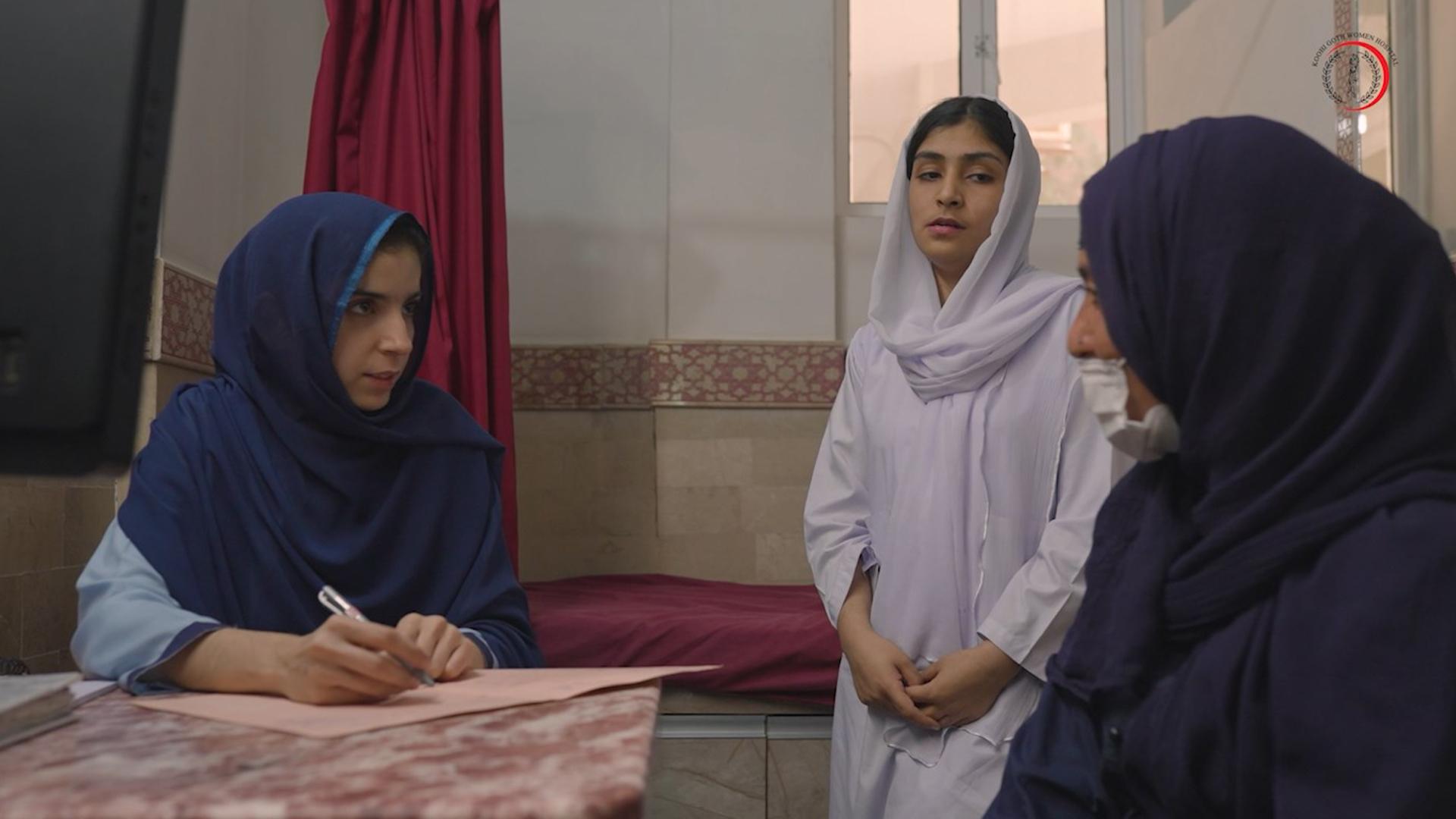
Memon Institute Hospital — Bridging Health & Hope
From day one, memon institute hospital has carried a vision beyond medicine — to be a healing sanctuary for those who might otherwise be excluded from quality care. In Karachi’s crowded healthcare ecosystem, Memon Institute Hospital (also called Memon Medical Institute Hospital) distinguishes itself as a donor‑funded, not‑for‑profit institution committed to delivering premium services without excluding any patient on financial grounds.
A Bold Vision Anchored in Community Service
Memon Institute Hospital began as a project under the Memon Health & Education Foundation (MHEF) with a simple mission: ensure that advanced medical facilities are not limited to those who can pay. Over time, it has transformed into a flagship tertiary care facility geared toward social impact as much as clinical excellence.
The hospital footprint spans approximately 320,000 square feet, is centrally air‑conditioned, and features self‑sufficient power generation to ensure uninterrupted services.Its capacity as a 332‑bed facility signals its ambition to serve a broad range of patients.
Multifaceted Medical Services Under One Roof
A key strength of Memon Institute Hospital is its comprehensive service portfolio. Patients can access a wide array of specialties, diagnostics, and critical care services without being shuffled across multiple institutions:
-
Specialty Departments: Cardiology, neurology, gastroenterology, oncology, orthopedics, urology, plastic surgery, pediatrics, ENT, ophthalmology, and more.
-
Support & Diagnostics: MRI, CT, lab services, endoscopy, dialysis, lithotripsy, physiotherapy.
-
Critical & Neonatal Care: NICU, PICU, emergency & ICU units, and special care wards.
-
Education & Research: The hospital supports affiliated nursing and medical training, reinforcing its role not only as a care provider but also as a learning institution.
Because it is fully donor‑funded, Memon Institute Hospital strives to keep rates modest. The consultation fees generally fall in a moderate range (approx. Rs 1,000 to Rs 2,500 depending on specialty).A welfare scheme helps those unable to cover even those modest fees.
Patient Experience & Reputation
Many patients and visitors note the hospital’s cleanliness, courteous staff, and well‑equipped departments. Testimonials frequently highlight that its services rival those of private hospitals—yet at a fraction of cost. One review states: “Their rates are nominal compared to other hospitals.”
The OPD schedule is publicly posted, with consultant timetables for various specialties, which helps patients plan their visits more effectively
Challenges Faced & Strategic Imperatives
While the model is noble and inspiring, it also faces structural challenges:
-
Sustainable Funding: Reliance on donations means that financial unpredictability can affect operations or future expansion.
-
Technological Upgrades: To stay relevant in modern medicine, continual investments in newer equipment and training are essential.
-
Talent Retention: Attracting and retaining specialist physicians and support staff under a non‑profit compensation framework can be demanding.
-
Demand vs Capacity: As awareness and trust grow, patient volume rises—scaling without compromising quality is critical.
The hospital mitigates these by cultivating strong relationships with philanthropic donors. For instance, Arif Habib Corporation allocated Rs. 33 million toward the hospital’s construction and continues to play a governance role.MMI is also frequently cited as a flagship project of the Memon community’s social investment initiatives.
Why Memon Institute Hospital Matters in Pakistan’s Healthcare Landscape
Pakistan faces stark health inequities: many can’t access tertiary care due to high costs or geographic constraints. In that environment, Memon Institute Hospital stands as both a model and a challenge to existing norms. It demonstrates that:
-
High‑quality care can be decoupled from high price
-
Health justice and clinical excellence can be aligned
-
Community philanthropy can power meaningful institutions
Patients receive not just medical treatment but dignity, respect, and hope. Medical professionals can work in a mission‑driven environment. And civil society sees a working template for blending public value with institutional sustainability.
In conclusion, Memon Institute Hospital is more than bricks and beds—it is a living expression of health equity, social conscience, and medical progress. Its journey encourages us to imagine a Pakistan where quality health care is a right, not a privilege. We at National Health Forum are honored to raise awareness of such institutions, and we remain committed to advocating for a just health system for all.

 English
 Arabic
 French
 Spanish
 Portuguese
 Turkish
 Dutch
Dutch
 Italiano
 Russian
 Romaian
 Portuguese (Brazil)
 Tiếng Việt