


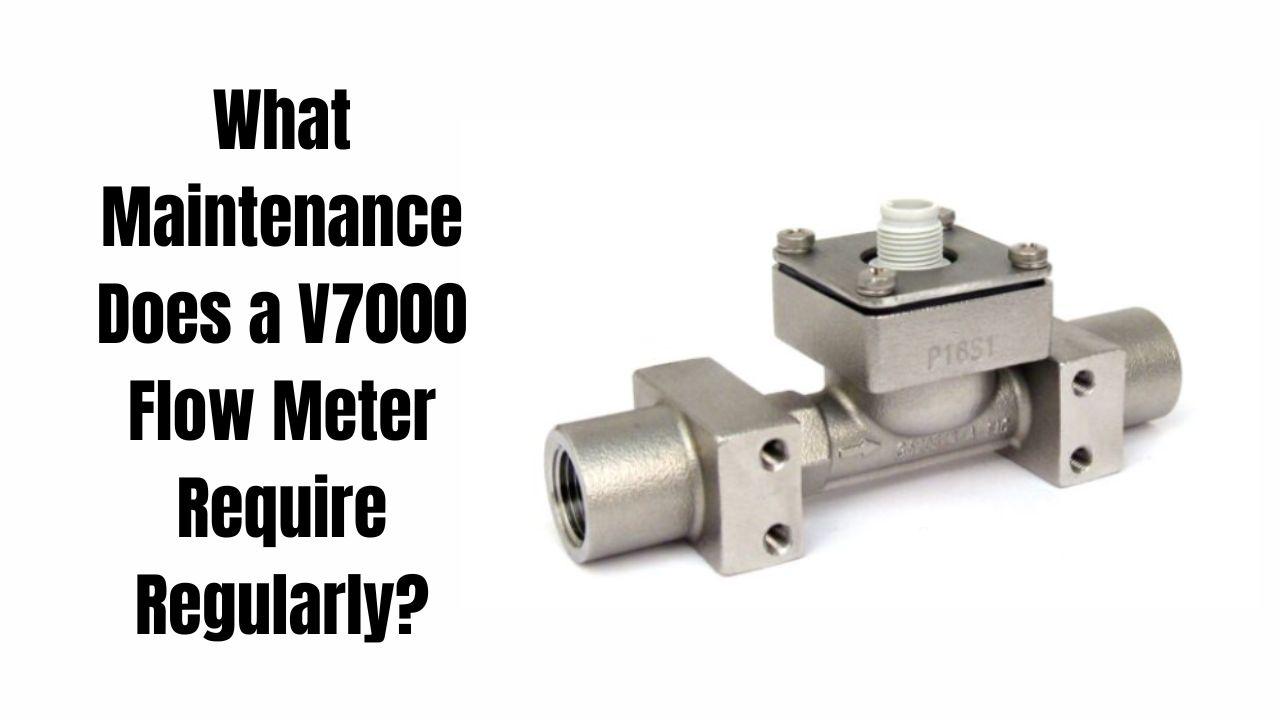
The V7000 flow meter is a high-precision instrument widely used in industrial settings to monitor and control fluid flow, ensuring efficiency and safety across processes. Its accuracy is vital for maintaining optimal operations, reducing waste, and preventing costly errors. However, like any complex equipment, the V7000 requires regular maintenance to sustain its performance, extend its lifespan, and safeguard both machinery and personnel. Neglecting upkeep can lead to inaccurate readings, operational downtime, or even safety hazards. In this post, readers will learn practical maintenance tips, common issues to watch for, and strategies to maximise the V7000 flow meter reliability and efficiency.
Understanding the V7000 Flow Meter
It is a precise instrument designed to measure the flow rate of liquids and gases in various industrial settings. Its core components include a sensitive sensor that detects flow, a transmitter that converts signals, a clear display for real-time readings, and robust connections for seamless integration into pipelines. Renowned for its precision and dependability, the V7000 is a trusted choice in industries such as chemical processing, oil and gas, and water treatment. It ensures the efficient monitoring and control of fluid systems, helping to optimise processes, reduce waste, and maintain safety standards.
Importance of Regular Maintenance
Regular maintenance of a V7000 flow meter is essential for ensuring accurate measurements and smooth system operation. Neglecting upkeep can lead to faulty readings, unexpected system failures, and costly downtime, disrupting processes and productivity. By scheduling routine inspections and calibrations, you not only extend the life of the flow meter but also enhance safety and prevent operational hazards. Consistent maintenance reduces the risk of expensive repairs and optimises efficiency, delivering reliable performance every time. Investing time in upkeep ultimately saves money, minimises interruptions, and guarantees that your V7000 flow meter operates at its best, supporting long-term system reliability.
Daily Maintenance Checks
Daily maintenance of the V7000 flow meter is essential for accurate and reliable performance. Start by inspecting the device for any visible damage, leaks, or worn components that could affect its operation. Verify that the power supply is stable and that the display is functioning correctly, ensuring readings are clear and consistent. Listen carefully for any unusual noises or vibrations, which may indicate internal issues needing attention. Regularly performing these simple checks not only prolongs the life of the flow meter but also maintains measurement accuracy, preventing unexpected downtime and ensuring safe, efficient operation in all applications.
Weekly or Monthly Maintenance Tasks
Maintaining a V7000 flow meter is essential for ensuring accurate measurements and prolonging the device’s lifespan. On a weekly or monthly basis, routine maintenance should focus on cleaning the sensor and flow pathways to prevent buildup or debris from affecting readings. It’s also crucial to check for calibration drift, as even minor deviations can lead to significant errors in flow measurement. Inspecting electrical connections and wiring is another important step, as loose or corroded connections can cause intermittent signals or complete device failure. By performing these relatively simple checks regularly, operators can maintain reliable performance and reduce the likelihood of unexpected downtime.
Annual or Long-Term Maintenance
For long-term upkeep, annual or extended maintenance is recommended. This includes a full calibration using industry-standard procedures to ensure the flow meter maintains precise accuracy over time. Worn parts, such as gaskets, seals, or sensors, should be replaced as needed to prevent leaks or performance degradation. If the flow meter supports firmware or software updates, applying these updates can improve functionality, correct minor bugs, and sometimes enhance measurement accuracy. Taking a proactive approach to long-term maintenance not only extends the operational life of the meter but also ensures consistent reliability, especially in industrial or high-precision applications.
Troubleshooting Common Issues
Troubleshooting common issues with the V7000 flow meter often starts with identifying erratic or inconsistent flow readings. These may result from sensor fouling, electrical faults, or leaks in the flow pathway. Sensor corrosion or worn seals can also compromise accuracy and may require replacement. Electrical problems, such as faulty wiring or signal interference, are another common cause of inaccurate readings. Quick diagnostic steps include cleaning the sensor, tightening connections, checking for leaks, and verifying calibration. By systematically addressing these potential issues, operators can resolve problems efficiently, minimising downtime and maintaining the high performance expected from a V7000 flow meter.
Best Practices for Extending V7000 Flow Meter Life
To maximise the lifespan of a V7000 flow meter, ensure proper installation and operate it under recommended conditions to prevent premature wear. Using cleaning agents approved by the manufacturer helps avoid damage to sensitive components, maintaining accuracy and reliability. Regular inspections and maintenance, coupled with detailed logs of service and repairs, enable the early detection of issues and facilitate the planning of preventive measures. Consistently following these best practices ensures optimal performance, reduces the risk of unexpected failures, and extends the device’s service life, ultimately safeguarding your investment and providing consistent, accurate flow measurements.
Conclusion
Regular maintenance of your V7000 flow meter is essential for ensuring accurate readings, smooth operation, and long-term reliability. Neglecting upkeep can lead to measurement errors, decreased efficiency, and costly repairs over time. By proactively maintaining your flow meter, you not only extend its lifespan but also optimise performance, saving both time and resources. Simple checks, calibration, and timely servicing help prevent unexpected downtime and keep your systems running efficiently. To ensure your flow meter continues to perform at its best, consider consulting experts or scheduling professional maintenance. Taking these steps today safeguards your investment for the future.

 English
 French
 Spanish
 Portuguese
 Deutsch
 Turkish
 Dutch
Dutch
 Italiano
 Russian
 Romaian
 Portuguese (Brazil)
 Tiếng Việt