


When a food startup enters a market, the first thing that often attracts people is not taste but look. People notice with their eyes before anything else. If something looks different, people want to try. That is why design plays such a big role in food businesses. For startups, where every customer matters, packaging design becomes the face of the product.
A brand making sure the box, label, or bag reflects values builds trust. People want to know if a product is safe, well-made, and worth the money. Design answers these questions without a word. For food startups, first impressions can mean the difference between being ignored and being remembered.
Why Does Storytelling Through Design Matter in Food Businesses?
Every startup has a story, and customers like stories they can connect with. When design tells a story, packaging becomes meaningful. A bakery may use certain colors and plain fonts to show care. A juice brand may show fruit images to make buyers feel healthy. Design choices say more than paid ads.
Food startups often struggle to build a voice in crowded spaces. Design works like a storyteller for them. Instead of shouting in ads, design quietly tells customers, “Here is who we are.” A cookie business in Chicago once shared grandma’s recipe through notes printed on packaging. People felt a personal connection and kept buying to be part of that story.
This is where design changes from being extra to being important. Design helps customers feel a personal connection. And when customers feel connected, they buy again, share with friends, and even post pictures online. Promotion comes only when design carries meaning.
What Role Does Customer Experience Play in Design Choices?
Design is not only about looks. Design also considers how people use products. Imagine opening a food box that feels too tight, or a bag tearing before reaching home. Experience ruins a product no matter how good the taste may be.
Food startups focus on design to make the experience smooth. Easy-to-open lids, strong boxes, and boxes are not optional; they are essential. When startups choose packaging, they must think about comfort. Will customers be able to carry the product? Will food stay safe while being delivered?
Use and design meet here. A pizza box holding heat without breaking, or a salad box with sections keeping dressing separate, makes a meal better. Design adds value by making eating simple. Customers remember effort and reward startups with loyalty.
Why Are Designs Linked With Brand Identity?
For a startup, brand identity is like personality. Without identity, business feels unseen. Designs help food businesses shape personality. Choice of colors, fonts, and styles sends signals to the audience. Certain colors may show energy, while soft tones give a caring vibe.
Many food startups are family-owned, and they want to stand apart from large corporations. Design is often the strongest tool. A startup selling sauces in the USA used hand-drawn labels showing originality. That design made them look different from mass-produced competitors.
Design is more than visuals, it becomes memory. When customers remember a box or wrapper, they remember the product too. Over time, recognition builds. Even in crowded stores, customers can point out brands just by a look. That is the strength of design shaping brand identity.
How Do Designs Influence Buying Behavior?
Buying food is often emotional. People don’t always think about nutrition facts when choosing snacks. Instead, feelings like joy, comfort, or curiosity guide choices. The custom food boxes designs play into these feelings. A design may make a child ask the parent to buy it. A plain and simple look may attract health-focused adults.
Food startups use these triggers to win buyers. A startup offering energy bars once used packaging with short quotes. Customers said quotes made them feel motivated, and they bought more to collect different sayings. That is how design can drive sales.
Why Are Startups Exploring Packaging as a Marketing Tool?
In today’s digital age, startups don’t always have large budgets for ads. They need ways to spread the brand. Packaging is turning into one of the strongest tools for this. When design stands out, people share on social media. A customer opening box with prints or colors might take a picture and post online. Free promotion travels far.
Startups also use packaging as mini-boards. Instead of paying for outdoor ads, food boxes carry brand messages everywhere. When someone carries a coffee cup with a design on the subway in New York, many people see it. Without extra spending, startups gain attention.
How Can Custom Packaging Support Startup Growth?
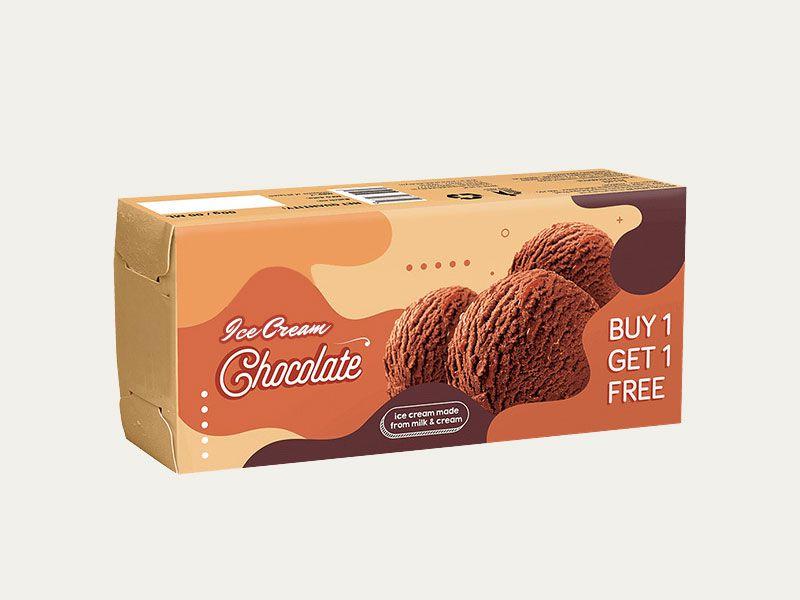
Every startup has its own needs. A bakery may want a window on a box showing cookies, while an ice cream shop may need boxes to keep items cold. This is where Custom Ice Cream Packaging and other custom options give startups a choice. Customization allows businesses to design packaging that talks to customers while keeping food safe.
Some startups use custom boxes balancing design and safety. Boxes can carry eco messages, artwork, or brand values. Others rely on custom boxes for food, highlighting ease, like handles or separate parts. Each choice supports growth by mixing use with branding.
Packlim supports startups offering packaging solutions that show brand goals. From small runs to big orders, startups get packaging, holding food, and helping grow in tough markets. Choosing designs that connect with people sets a strong base for success.
Why Should Food Startups Invest in Packaging Partners?
Running a food startup is not easy. There are costs, competition, and pressure staying steady. Design is often ignored. Yet packaging can be a bridge between struggling and growing.
Working with experts ensures startups don’t just pick any box but the right one. Companies like Packlim help food businesses bring ideas to life with designs both useful and clear. Startups can share stories, and packaging expresses stories.
In the USA, where customer choices are endless, people often pick brands feeling thoughtful. Packaging shows thought. The show's startup cares not just about selling food but about the whole experience. When design is handled well, pride grows for buyers. Buyers want to hold, share, and return for more.

 English
 Arabic
 Spanish
 Portuguese
 Deutsch
 Turkish
 Dutch
Dutch
 Italiano
 Russian
 Romaian
 Portuguese (Brazil)
 Tiếng Việt