


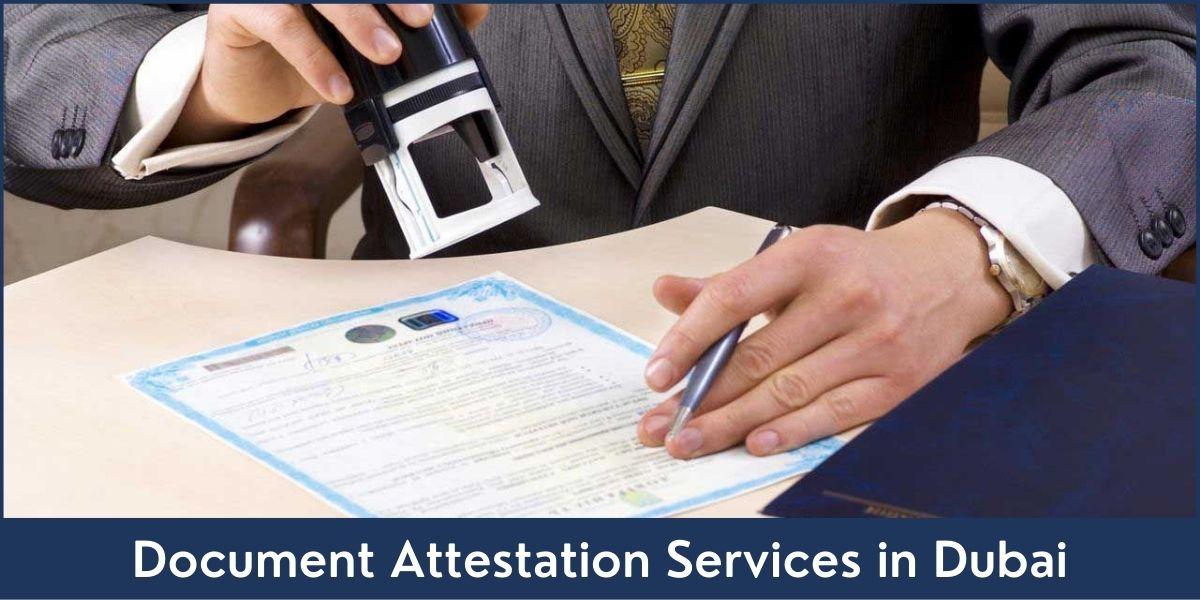
or anyone planning to study, work, or settle abroad, dealing with paperwork can be one of the most challenging parts of the journey. Among the various formalities, certificate attestation is often seen as one of the most stressful and time-consuming processes. If your destination is the United Arab Emirates, Saudi Arabia, Qatar, or any other country that requires verified documents, understanding UK certificate attestation is essential. The good news is that this process doesn’t have to be overwhelming. With the right information, proper planning, and the right approach, you can save significant time and eliminate unnecessary stress.
This comprehensive guide will break down the entire attestation process for UK certificates in a clear, step-by-step manner, helping you avoid common mistakes and making the entire journey smooth and efficient.
What Is UK Certificate Attestation?
UK certificate attestation is the process of authenticating your UK-issued documents so that they are legally recognized in another country. It involves verification by multiple authorities, ensuring the receiving country can trust the authenticity of your certificates. This is a mandatory step for individuals applying for employment visas, student visas, family visas, business setup, or professional licensing in many countries.
The attestation process confirms that the document is original, legitimate, and issued by a recognized UK authority. Whether it’s a degree certificate, birth certificate, marriage certificate, or any other legal document, attestation gives it international credibility.
Why Certificate Attestation Is Important
For many, certificate attestation might seem like just another bureaucratic step. In reality, it plays a crucial role in legalizing your documents internationally. Countries that are not members of the Hague Apostille Convention require full attestation to validate foreign documents. Without attestation, your paperwork may not be accepted by foreign employers, universities, or government agencies.
Here are some common situations where attestation is required:
-
Employment abroad: To prove your academic qualifications and professional credentials.
-
Higher education: To verify your previous academic achievements.
-
Family visa applications: To legalize birth or marriage certificates.
-
Business expansion or investment: To authenticate company registration or financial documents.
-
Medical or professional licensing: For recognition of degrees and certifications in foreign jurisdictions.
Simply put, attestation is your document’s passport to international acceptance.
Types of UK Certificates That Require Attestation
Before starting the attestation process, it’s essential to understand which documents may need verification. Generally, UK certificates fall into three main categories:
-
Educational Certificates
These include degree certificates, diplomas, A-Level or GCSE results, professional qualification certificates, and transcripts. These documents are commonly required for employment and academic purposes abroad. -
Personal Certificates
These include birth certificates, marriage certificates, death certificates, adoption papers, and medical reports. Personal documents are often needed for family visa applications, residence permits, and legal procedures in foreign countries. -
Commercial Documents
These include certificates of incorporation, invoices, power of attorney, tax documents, and company registration papers. Businesses expanding overseas often require commercial document attestation to establish legal credibility abroad.
Knowing the type of document helps determine which authorities will be involved in the attestation process.
The Step-by-Step Process of UK Certificate Attestation
Understanding the attestation process step by step will save you a great deal of time. While the exact steps may vary depending on the destination country, the general structure remains similar.
1. Verification by the Issuing Authority
Before a document can be attested, it must be verified by the authority that issued it. For educational certificates, this could mean verification by the concerned university or examination board. For personal documents, the local registry office or relevant UK government department confirms its authenticity.
2. Solicitor or Notary Public Certification
Once verified, most documents must be certified by a UK solicitor or notary public. This legal professional confirms that the document is genuine and correctly signed. This step is often required before the document can be submitted to the Foreign, Commonwealth & Development Office (FCDO).
3. FCDO Apostille or Legalization
The next step is legalization by Foreign, Commonwealth & Development Office (FCDO). This involves attaching an apostille or legalization certificate to the document. This step officially validates the document for international use. Countries that are part of the Hague Apostille Convention may only require the apostille, but others will need further embassy attestation.
4. Embassy Attestation
For countries outside the Hague Convention, the document must be submitted to the embassy of the destination country for attestation. For example, if you are going to the UAE, the document must be attested by the Embassy of the United Arab Emirates in London.
5. MOFA Attestation (Destination Country)
The final step usually takes place after you arrive in the destination country. The attested document must be verified by the Ministry of Foreign Affairs (MOFA) of that country. For instance, in the UAE, MOFA attestation confirms the document is fully legal and can be used for employment, residency, or academic purposes.
Common Challenges Faced During Attestation
Despite being a standard process, attestation can become complicated due to several factors. Understanding these common hurdles can help you avoid delays:
-
Incomplete or incorrect documentation: Even a minor error can lead to rejection.
-
Lack of clear instructions: Many applicants don’t know which authorities to contact or in what order.
-
Time delays at various stages: Processing times vary between institutions, embassies, and government offices.
-
Unfamiliarity with legal procedures: Legal language and requirements can be confusing for first-time applicants.
-
Embassy or MOFA requirements changing frequently: Rules and fees may change without prior notice.
These challenges often make the process seem more daunting than it actually is. However, with the right preparation, they can be managed effectively.
How to Save Time During UK Certificate Attestation
Time is one of the biggest concerns for individuals dealing with attestation. Delays can impact job offers, university admissions, visa approvals, or relocation plans. Here are some practical strategies to save time:
-
Start early
Don’t wait until the last moment. Start the attestation process as soon as you receive your documents. Early preparation gives you enough time to handle unexpected delays. -
Verify document requirements for your destination country
Not all countries follow the same procedure. For example, attestation for the UAE may differ from attestation for Qatar. Check the embassy’s website or consult a professional service to confirm the exact steps. -
Ensure documents are error-free
Double-check names, dates, and signatures. A single spelling error can lead to rejections and lengthy delays. -
Use professional attestation services
A reliable attestation agency can handle the process on your behalf, ensuring that all steps are completed accurately and quickly. They are familiar with embassy procedures and can minimize the risk of errors. -
Track your documents
Always keep a record of your documents’ status. Tracking prevents unnecessary waiting and helps you follow up if something is delayed.
Benefits of Using a Professional Attestation Service
While individuals can complete the attestation process on their own, many prefer to use a professional service to save time and reduce stress. Here are some key benefits:
-
Expert guidance: Professionals know the correct order of steps, avoiding unnecessary back-and-forth.
-
Faster processing: Attestation agencies often have established channels with embassies and government offices.
-
Error prevention: They review documents to ensure everything is accurate before submission.
-
Convenience: You won’t have to visit multiple offices yourself.
-
Peace of mind: Knowing experts are handling the process can reduce anxiety during an already stressful relocation.
If you’re working on a tight schedule or managing multiple tasks, outsourcing the attestation process can be a smart decision.
Tips to Avoid Stress During the Attestation Process
Attestation can feel overwhelming, especially if you’re simultaneously preparing for an international move. However, a few practical tips can help you stay organized and stress-free:
-
Create a checklist: List all required documents and steps for attestation to stay on track.
-
Keep multiple copies: Always make certified copies of your original documents in case they get misplaced.
-
Stay updated on embassy guidelines: Rules can change, so check official websites regularly.
-
Use secure courier services: When sending documents for attestation, use a trusted courier with tracking.
-
Stay patient but proactive: Some delays are inevitable, but proactive follow-ups can prevent excessive waiting.
Costs Involved in UK Certificate Attestation
The total cost of attestation varies depending on several factors—type of document, destination country, embassy fees, courier charges, and whether you use a professional service. Generally, the cost includes:
-
Solicitor or notary fees
-
FCDO apostille or legalization fees
-
Embassy attestation charges
-
Courier or postage fees
-
Professional service fees (if applicable)
While it may seem like a significant expense, timely attestation can save you from much larger costs later, such as delayed visa approvals, lost job opportunities, or postponed university admissions.
Timeline for the Attestation Process
The duration of the attestation process can range from a few days to several weeks, depending on various factors. For instance, an educational certificate attested for the UAE might take 7 to 15 working days, while personal certificates could take longer.
Factors affecting timelines include:
-
The speed of verification by the issuing authority
-
Embassy workload and processing time
-
Courier delivery schedules
-
Whether the document needs translation or legalization in multiple steps
Planning ahead and starting early is the best way to ensure that your timeline aligns with your visa or job application deadlines.
Digitalization and Modernization of Attestation
In recent years, many governments and institutions have adopted digital verification systems to make attestation faster and more secure. The UK has made significant progress in digitizing services through platforms like online notary verification and the FCDO’s streamlined application process.
Additionally, some countries have introduced e-apostille systems, allowing for faster validation and reduced paperwork. This trend is expected to continue, making the attestation process smoother and more efficient in the coming years.
Frequently Asked Questions About UK Certificate Attestation
1. Is apostille the same as attestation?
Not exactly. Apostille is sufficient for countries that are part of the Hague Apostille Convention. For other countries, apostille is just one step, and embassy attestation is also required.
2. How long does UK certificate attestation take?
Typically 7–15 working days, but this can vary depending on the type of document, embassy requirements, and courier times.
3. Do I need to be in the UK to get my documents attested?
No. Many services allow you to courier your documents or authorize someone to handle the process on your behalf.
4. Can attested documents expire?
Generally, attestation remains valid indefinitely, but some embassies or employers may request a recent attestation. Always check with the receiving organization.
5. Can I attest photocopies instead of originals?
In most cases, original documents are required. However, some embassies may accept notarized copies. Confirm this beforehand.
Real-World Example: Why Proper Attestation Matters
Consider the case of a UK graduate who secured a job offer in the UAE. The employer required attested degree certificates for the work visa. Unfortunately, the candidate started the attestation process just a week before the scheduled departure. Due to embassy delays and document errors, the visa was postponed, and the job offer was at risk.
Had the candidate started early or used a professional attestation service, the entire process could have been completed on time without stress or financial loss. This real-world scenario highlights how important proper planning is.
How to Choose the Right Attestation Service Provider
If you decide to use a professional service, choosing the right provider is crucial. Here are some factors to consider:
-
Reputation: Look for reviews, testimonials, or recommendations.
-
Experience: A well-established agency understands embassy procedures better.
-
Transparency: Ensure the service provider offers a clear breakdown of costs and timelines.
-
Security: The agency should use secure methods for handling your original documents.
-
Customer support: Responsive communication can make the process smoother.
A trustworthy service provider can make the difference between a smooth, stress-free experience and a frustrating, delayed process.
The Future of UK Certificate Attestation
The future of attestation is moving towards greater automation and digitalization. Many governments are working on secure blockchain-based document verification systems, making physical stamps or seals less necessary. This will significantly reduce processing time and human error.
Moreover, international cooperation between governments is expected to increase, further simplifying procedures for individuals and businesses. In the coming years, applying for jobs or studying abroad could become a more streamlined and efficient process.
Final Thoughts: A Simple Process with the Right Preparation
UK certificate attestation may seem like a complex and intimidating task, but with the right approach, it doesn’t have to be. By understanding the steps, preparing your documents carefully, and planning ahead, you can save both time and stress.
Whether you’re pursuing your dream job abroad, enrolling in a prestigious university, reuniting with family, or expanding your business internationally, proper attestation ensures your documents are legally recognized and accepted without question.
For many people, the key to a stress-free attestation experience is organization, early preparation, and, if needed, professional assistance. With these elements in place, UK certificate attestation can be a smooth, predictable, and hassle-free process—allowing you to focus on the exciting opportunities ahead rather than paperwork.

 English
 French
 Spanish
 Portuguese
 Deutsch
 Turkish
 Dutch
Dutch
 Italiano
 Russian
 Romaian
 Portuguese (Brazil)
 Tiếng Việt