


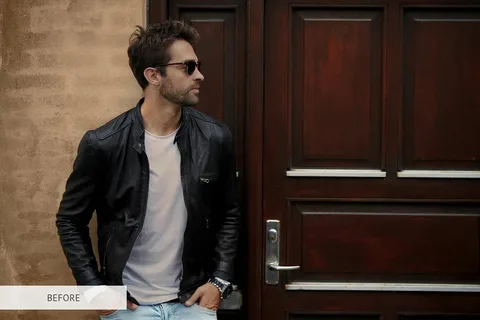
Fashion is evolving fast, and consumers are becoming more conscious of what they wear and where it comes from. Sustainability is no longer just a trend; it’s an essential part of modern living. One topic that often sparks debate in this movement is vegan leather jackets.
They look luxurious, feel soft, and promise cruelty-free fashion. But an important question remains: are vegan leather jackets truly sustainable, or are they just a stylish illusion of eco-friendliness?
In this complete guide, we’ll break down what vegan leather really is, how it’s made, and whether it lives up to its sustainable claims. Whether you’re into mens faux leather jackets for a rugged edge or womens faux leather jackets for timeless chic, this article will help you make a smarter, more informed choice.
What Is Vegan Leather?
Vegan leather, also called faux or synthetic leather, is an alternative to traditional leather made without using animal hides. It’s designed to replicate the look, texture, and durability of real leather while reducing animal cruelty and environmental harm.
Common materials used for vegan leather include:
-
Polyurethane (PU) – a soft, flexible plastic coating applied to fabric.
-
Polyvinyl chloride (PVC) – a durable plastic often used for tougher finishes.
-
Plant-based materials – innovative, natural sources such as pineapple leaves, apple peels, mushrooms (Mylo), or cactus fibers.
The appeal of vegan leather lies in its versatility. It can be produced in different textures, colors, and finishes, allowing designers to create everything from biker jackets to high-fashion coats without animal products.
Why Vegan Leather Became Popular
Vegan leather gained traction as consumers started demanding ethical, cruelty-free fashion. The traditional leather industry is linked to animal farming, deforestation, and chemical pollution from tanning. In contrast, vegan leather offers a guilt-free alternative for those who care about animal welfare and sustainability.
Celebrities, influencers, and eco-conscious brands have also popularized the trend, showcasing how style can go hand in hand with ethics. The rise of mens vegan leather jacket designs and vegan leather jacket womens styles proves that sustainable fashion is no longer niche; it’s mainstream.
How Is Vegan Leather Made?
The production process depends on the type of vegan leather being made.
1. Synthetic Vegan Leather (PU and PVC)
This is the most common type found in stores. It starts with a fabric base, usually polyester or cotton, coated with a layer of polyurethane or PVC. The result is a flexible, smooth, and water-resistant material that looks and feels like real leather.
While this version is affordable and easy to maintain, it comes with some environmental concerns. Both PU and PVC are plastic-based, meaning they rely on fossil fuels and are not biodegradable.
2. Plant-Based Vegan Leather
The fashion industry is now exploring more sustainable options. Plant-based leathers are created using natural waste materials like pineapple leaves, apple skins, cactus fibers, or mushrooms. These materials are processed and bound using organic resins or biodegradable binders.
Plant-based leathers are more eco-friendly, renewable, and compostable compared to synthetic options. They also reduce agricultural waste and use less water during production.
Is Vegan Leather Actually Sustainable?
The sustainability of vegan leather depends on its composition. Not all vegan leather is made equal.
1. Environmental Impact
Synthetic vegan leather made from PU or PVC still relies on petroleum, a non-renewable resource. The manufacturing process can release volatile compounds into the atmosphere, and the material takes hundreds of years to break down.
However, when compared to animal leather, vegan leather often has a smaller carbon footprint. Livestock farming for leather involves methane emissions, deforestation, and huge water consumption, making it one of the most resource-intensive industries.
Plant-based vegan leather, on the other hand, is far more sustainable. It uses organic waste materials and fewer chemicals, which significantly reduces environmental harm.
2. Water Usage
Animal leather production is water-intensive, especially during the tanning process. Vegan leather production requires much less water overall, particularly when derived from plants like cactus or apple peels.
3. Chemicals and Toxins
Traditional leather tanning involves harmful chemicals such as chromium, which can contaminate water and soil. While synthetic vegan leathers avoid animal tanning, PU and PVC production still uses chemicals that may release toxins over time.
Plant-based vegan leather again leads the way here, as it uses natural bonding agents and fewer synthetic chemicals.
Comparing Vegan Leather and Real Leather
| Feature | Vegan Leather | Real Leather |
| Material Source | Synthetic or plant-based | Animal hides |
| Animal Cruelty | None | Involves livestock farming |
| Durability | 5–7 years (synthetic) / 10+ years (plant-based) | 15–25 years with care |
| Water Consumption | Low | High |
| Carbon Footprint | Lower | High |
| Maintenance | Easy to clean | Requires regular conditioning |
| Biodegradability | Low (synthetic), high (plant-based) | Moderate |
| Cost | More affordable | More expensive |
In summary, vegan leather is a more ethical and, in many cases, more sustainable option than animal leather. However, its overall impact depends on the specific materials and production processes used.
The Pros of Vegan Leather
Vegan leather has many advantages that have made it a favorite among ethical shoppers and designers.
-
Cruelty-Free: No animals are harmed in its creation.
-
Affordable: Offers luxury style at a lower price point.
-
Lightweight: Easier and more comfortable to wear daily.
-
Low Maintenance: Wipes clean easily with minimal care.
-
Variety in Design: Comes in many textures, colors, and finishes.
-
Water-Resistant: More resistant to moisture compared to real leather.
The Drawbacks of Vegan Leather
While vegan leather is an ethical option, it’s not perfect.
-
Limited Longevity: Synthetic versions can peel or crack after several years of use.
-
Less Breathable: Vegan leather doesn’t allow air circulation like real leather.
-
Plastic Dependency: PU and PVC still contribute to microplastic pollution.
-
Difficult to Repair: Once damaged, it’s hard to restore vegan leather to its original look.
The Future of Sustainable Vegan Leather
The future looks promising for vegan leather as brands invest in sustainable innovation. With more eco-conscious consumers and advances in material science, plant-based leathers are quickly gaining momentum.
Some of the most exciting developments include:
-
Cactus Leather (Desserto): Grows with minimal water and is biodegradable.
-
Mushroom Leather (Mylo): Made from mycelium, offering durability and flexibility.
-
Apple Leather: Uses leftover apple pulp, reducing agricultural waste.
-
Pineapple Leather (Piñatex): Made from pineapple leaves, a natural byproduct of farming.
How to Choose a Sustainable Vegan Leather Jacket
If you’re planning to buy a vegan leather jacket, here are a few simple tips to ensure your choice is as sustainable as possible:
-
Check the Material Label: Look for PU-free, PVC-free, or plant-based vegan leather.
-
Buy from Ethical Brands: Choose brands that are transparent about their production process.
-
Invest in Quality: A well-made jacket will last longer and reduce waste.
-
Care Properly: Keep it clean, store it correctly, and avoid excessive heat exposure.
-
Think Long-Term: Choose a timeless design that you’ll wear for years, not just a season.
By following these steps, you can enjoy your vegan leather jacket womens or men’s style for many years while staying true to your eco-conscious values.
Are Vegan Leather Jackets Worth It?
Vegan leather jackets are an excellent choice for people who value ethics, style, and affordability. They might not yet match real leather in lifespan, but ongoing innovations are closing that gap quickly.
If sustainability and compassion are part of your lifestyle, vegan leather makes perfect sense. The key is to choose responsibly made products that balance durability with environmental care.
Conclusion:
Vegan leather jackets represent more than just a fashion statement; they reflect a conscious shift toward sustainable and ethical living. They combine modern innovation, comfort, and compassion in one timeless piece of outerwear.
For those looking to elevate their wardrobe responsibly, Best leather NY offers a premium selection of jackets made with precision and quality craftsmanship. From mens vegan leather jacket designs to versatile fashion pieces, their collection merges durability, comfort, and sustainability in every detail.

 English
 Arabic
 French
 Spanish
 Portuguese
 Deutsch
 Turkish
 Italiano
 Russian
 Romaian
 Portuguese (Brazil)
 Tiếng Việt