


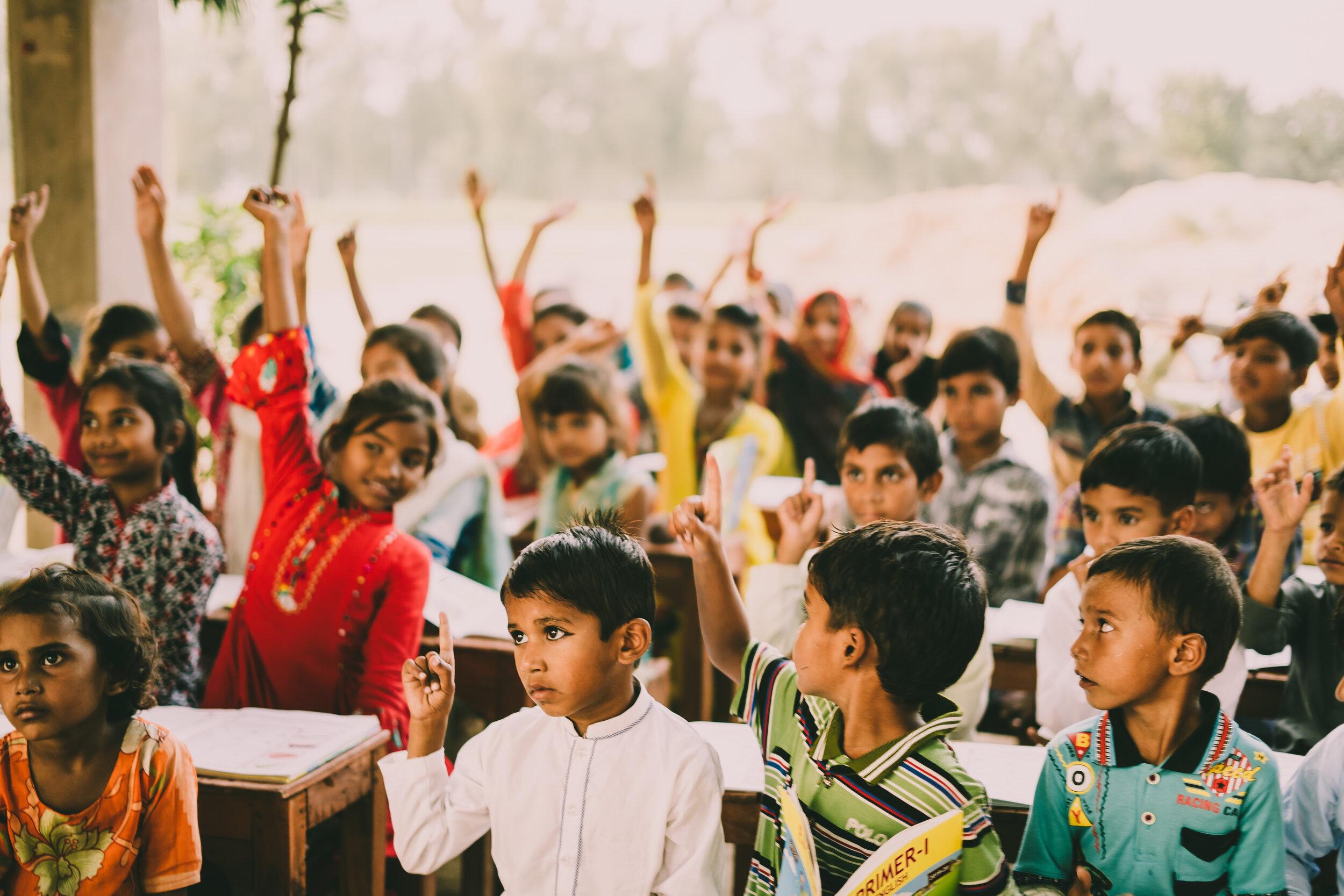
Children rights in pakistan represent one of the most vital and urgent areas of concern in the nation’s journey toward justice, equality, and sustainable development. Among the many challenges that threaten these rights, child labour remains one of the most deeply entrenched and heartbreaking issues. Across Pakistan, millions of children are denied their basic rights to education, safety, and childhood because they are forced to work — often in harsh, unsafe, and exploitative conditions.
This blog explores the current state of child labour in Pakistan, its causes, consequences, and the ongoing struggle to uphold and protect children’s rights. It also highlights how organizations like SOS Children’s Villages Pakistan play a transformative role in advocating for, protecting, and empowering vulnerable children.
Children rights in Pakistan are under constant threat from poverty, social inequality, lack of education, and weak law enforcement. Child labour, in particular, strips children of their dignity and deprives them of their childhood. Instead of attending school, millions spend long hours working in factories, fields, brick kilns, and homes.
Organizations such as SOS Children’s Villages Pakistan are working tirelessly to protect these children by offering family-based care, education, and advocacy programs aimed at breaking the cycle of poverty and exploitation.
The Current State of Child Labour in Pakistan
According to the International Labour Organization (ILO), millions of children in Pakistan are engaged in child labour — many in hazardous occupations. Estimates suggest that over 12 million children between the ages of 5 and 14 are working instead of going to school.
Child labour is widespread across sectors, including:
- Agriculture – children work long hours in fields, exposed to chemicals and physical strain.
- Brick Kilns – entire families, including young children, work to repay debts, often in bonded labour conditions.
- Textile and Carpet Industries – children are forced to work in poor conditions, enduring long shifts and earning meagre wages.
- Domestic Work – many children, particularly girls, are employed as domestic servants, where they face risks of abuse and exploitation.
The situation worsened after the COVID-19 pandemic, which pushed thousands of families further into poverty, forcing more children into labour as a means of survival.
The Root Causes of Child Labour in Pakistan
Child labour is not just an economic problem—it’s a social and moral crisis. Understanding the root causes helps identify effective solutions.
1. Poverty and Economic Inequality
Poverty is the most significant driver of child labour. Many families live below the poverty line and rely on their children’s income for survival. In rural areas, children often work alongside parents in farms or brick kilns to contribute to household income.
2. Lack of Access to Education
Education is both a right and a powerful tool to end child labour. However, when schools are too far away, underfunded, or of poor quality, parents often choose work over education for their children.
3. Cultural and Social Norms
In some communities, child labour is seen as normal or necessary. Many parents believe that work teaches responsibility or that education is not valuable, particularly for girls.
4. Weak Law Enforcement
Although Pakistan has laws prohibiting child labour, poor implementation and corruption allow employers to exploit children with little fear of punishment.
5. Natural Disasters and Displacement
Floods, earthquakes, and other disasters often force families into financial hardship, pushing children into work to support themselves and their families.
6. Lack of Social Protection
The absence of strong social welfare systems means that struggling families have few alternatives but to send their children to work.
The Consequences of Child Labour
Child labour has devastating consequences on children’s physical, emotional, and intellectual development.
1. Denial of Education
Child labour deprives children of their right to education, perpetuating the cycle of poverty. Without education, they have little chance of escaping exploitation or finding stable employment as adults.
2. Physical and Mental Health Risks
Children working in hazardous environments often suffer from injuries, malnutrition, and chronic illnesses. The psychological impact — including fear, trauma, and depression — can last a lifetime.
3. Exploitation and Abuse
Many working children are subjected to physical, emotional, or even sexual abuse. With limited legal protection, they have little recourse against their exploiters.
4. Generational Poverty
When children are denied education and opportunities, they grow into adults with limited prospects. Their own children are likely to face the same struggles, continuing the cycle of poverty.
Legal Framework for Protecting Children Rights in Pakistan
Pakistan has made important legislative progress to protect children from exploitation and to ensure their rights. However, enforcement remains inconsistent.
Key laws include:
- The Employment of Children Act (1991) – prohibits child labour in certain hazardous industries.
- The Bonded Labour System (Abolition) Act (1992) – bans bonded labour and related practices.
- The Punjab Prohibition of Child Labour at Brick Kilns Act (2016) – specifically targets child labour in the brick kiln sector.
- The Sindh Prohibition of Employment of Children Act (2017) – prohibits child employment in hazardous occupations.
Pakistan’s commitment to the UNCRC and ILO Conventions provides an international framework for child protection. However, without consistent monitoring, implementation, and awareness, laws alone cannot end child labour.
The Role of SOS Children’s Villages Pakistan in Defending Children’s Rights
SOS Children’s Villages Pakistan has been at the forefront of promoting and protecting children rights in Pakistan for decades. The organization’s approach focuses on holistic development and empowerment rather than short-term relief.
1. Providing Family-Like Care
SOS Children’s Villages offer safe, nurturing homes for orphaned and abandoned children. In each SOS Village, children live with SOS mothers who provide love, security, and guidance — creating a sense of family and belonging.
2. Access to Quality Education
SOS runs schools and educational programs that prioritize both academic learning and moral development. Education is viewed as the most powerful tool against child labour and exploitation.
3. Empowering Communities
Beyond supporting children directly, SOS works to strengthen at-risk families through community outreach programs. By providing financial aid, education, and skill training, these initiatives prevent child abandonment and labour before they occur.
4. Healthcare and Nutrition
Children under the care of SOS receive regular health checkups, vaccinations, and nutritious meals, ensuring their physical well-being.
5. Advocacy and Awareness
SOS Children’s Villages Pakistan advocates for child rights at both local and national levels. Through awareness campaigns, seminars, and partnerships, the organization encourages communities to value education and reject child labour.
How We Can All Help Protect Children’s Rights
Ending child labour and promoting children rights in Pakistan requires collective effort. Each citizen, organization, and policymaker can contribute in meaningful ways:
- Support Child-Focused Organizations: Donations to organizations like SOS Children’s Villages Pakistan directly help children access education, healthcare, and safe homes.
- Raise Awareness: Educate others about the dangers of child labour and the importance of children’s rights.
- Encourage Education: Sponsor a child’s education or volunteer in teaching programs.
- Report Violations: If you witness child labour or abuse, report it to local authorities or child protection agencies.
- Advocate for Policy Reform: Support initiatives that strengthen laws against child labour and ensure enforcement.
- Empower Families: Promote skill development and financial literacy among parents to reduce economic dependency on child labour.
Conclusion
In conclusion, children rights in Pakistan are the cornerstone of a brighter and more equitable nation. Every child deserves a safe home, quality education, healthcare, and the chance to live without fear or exploitation. Yet, millions are denied these basic rights due to poverty and neglect.
Child labour remains one of the gravest violations of these rights, robbing children of their potential and perpetuating cycles of poverty. To end this, Pakistan must strengthen laws, expand education, and empower families with sustainable livelihoods.
Organizations like SOS Children’s Villages Pakistan prove that change is possible. Through compassion, education, and family-based care, SOS continues to protect vulnerable children and restore their hopes for a better future.

 English
 Arabic
 French
 Portuguese
 Deutsch
 Turkish
 Dutch
Dutch
 Italiano
 Russian
 Romaian
 Portuguese (Brazil)
 Tiếng Việt