


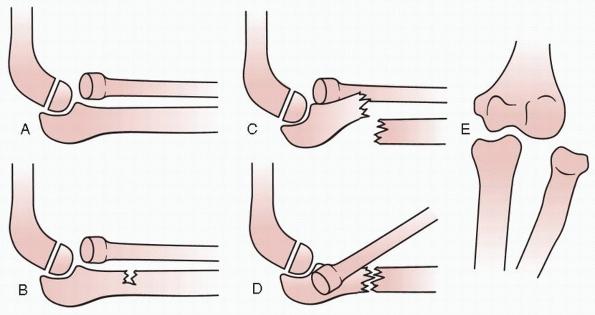
When sudden pain strikes after a fall or accident, it may be more than just a bruise it could be a fracture or dislocation. At First Care Family Clinic, patients receive prompt evaluation and effective treatment for Fractures & Dislocations, ensuring the best chance for complete recovery. Understanding how these injuries happen, recognizing the signs early, and seeking the right care can make all the difference between long term discomfort and full healing.
Understanding Fractures & Dislocations
A fracture is a break or crack in a bone, while a dislocation occurs when a bone slips out of its joint. Though they often happen together, the way each injury affects the body and how they heal is very different. Fractures weaken the bone’s structure, and dislocations damage the surrounding ligaments and soft tissue.
These injuries commonly result from sports accidents, falls, or vehicle collisions but they can also occur from something as simple as missing a step or overextending a joint. The pain is often sharp, swelling appears quickly, and movement becomes difficult or impossible.
Common Causes of Fractures & Dislocations
While accidents are the leading cause, other factors can increase the risk. Knowing these can help families stay cautious in everyday life.
-
Falls and Slips
Slipping on wet floors, uneven surfaces, or stairs is one of the most common causes of both fractures and dislocations, especially among older adults. -
Sports Injuries
Contact sports like football, basketball, and soccer often lead to high impact collisions that can twist joints or break bones. -
Motor Vehicle Accidents
Car and motorcycle crashes frequently cause complex fractures and shoulder or knee dislocations. -
Osteoporosis
Weak bones from osteoporosis make individuals particularly women over 50 more prone to fractures even from minor injuries. -
Repetitive Stress
Overuse of certain muscles or joints can lead to stress fractures and partial dislocations over time.
Each of these causes can be prevented to some degree with awareness, proper safety habits, and regular bone strengthening activities.
Recognizing the Symptoms
The symptoms of Fractures & Dislocations often overlap, making it difficult to tell them apart without medical evaluation. However, several key signs can help identify the difference.
-
Fracture Symptoms:
Severe pain at the injury site, visible deformity, swelling, bruising, and inability to move or bear weight. -
Dislocation Symptoms:
Intense pain near a joint, visible misalignment, swelling, and loss of movement or sensation in the affected area.
A good rule of thumb if there is intense pain, visible deformity, or loss of movement, seek urgent medical care immediately.
How Fractures & Dislocations Are Diagnosed
Modern medical imaging plays a vital role in diagnosing these injuries.
-
X rays help locate the break or joint displacement.
-
CT scans or MRIs may be used to detect small fractures, ligament tears, or nerve involvement.
At the diagnostic stage, doctors assess blood flow, nerve function, and surrounding tissue to prevent complications like infections or chronic pain.
Effective Treatment Options
Treatment depends on the type, severity, and location of the injury. The main goal is to realign the bone or joint, reduce pain, and promote healing.
1️ Non Surgical Treatments
For simple fractures or mild dislocations, immobilization through casts, splints, or braces allows natural healing. Rest, ice therapy, and anti-inflammatory medications reduce pain and swelling.
2️ Surgical Treatments
Severe injuries may require surgical intervention using pins, screws, or plates to stabilize bones or restore joint alignment. Surgery ensures long term stability and helps prevent deformity.
3️ Rehabilitation & Physical Therapy
Recovery doesn’t end when the cast comes off. Physical therapy helps restore range of motion, strength, and flexibility. Regular guided exercises reduce stiffness and improve function.
Preventing Fractures & Dislocations
-
Maintain Strong Bones
A diet rich in calcium and vitamin D strengthens bones, reducing fracture risk. -
Exercise Regularly
Weight bearing workouts and balance training improve coordination and bone density. -
Use Proper Safety Gear
Helmets, pads, and supportive footwear help minimize sports related injuries. -
Avoid Slippery Surfaces
Keeping walkways dry and well lit reduces fall hazards, especially for seniors. -
Listen to Your Body
Don’t ignore pain or fatigue; early signs of stress injuries can prevent major fractures later.
By incorporating these preventive habits, families can reduce the likelihood of injury while maintaining an active lifestyle.
Recovery Journey After Injury
The healing process can take weeks to months, depending on the injury type. Patience and proper follow up care are crucial. Swelling and stiffness are normal after immobilization, but gentle exercises under professional supervision speed recovery.
Rehabilitation focuses on restoring flexibility and preventing complications like joint stiffness or chronic pain. Support from family and adherence to doctor recommendations make recovery smoother and faster.
Long Term Care and Lifestyle Support
After recovery, maintaining bone and joint health becomes essential. Healthy nutrition, consistent exercise, and regular medical check ups prevent recurrence.
For those with osteoporosis or frequent falls, doctors may recommend bone density tests and lifestyle adjustments. Early intervention ensures strong bones and stable joints for years to come.
Conclusion
Fractures & Dislocations can disrupt daily life, but with timely diagnosis and professional care, full recovery is possible. The team at First Care Family Clinic provides expert evaluation, treatment, and personalized rehabilitation plans designed to restore comfort and mobility. Whether the injury is a simple sprain or a complex fracture, early attention ensures better outcomes and long term joint health. Your family’s safety begins with awareness and the right care at the right time.
FAQs
1. How can I tell if it’s a fracture or dislocation?
If there’s visible deformity, intense pain, or loss of movement, it could be either only X rays can confirm.
2. How long does recovery take for fractures?
Simple fractures may heal in 6,8 weeks, while complex ones may take several months.
3. Can dislocations heal without treatment?
No, untreated dislocations can damage ligaments and nerves, causing long term instability.
4. What should I do immediately after an injury?
Immobilize the area, apply ice, and visit urgent care promptly for evaluation.
5. Are children more prone to fractures?
Yes, because their bones are still growing. However, they also heal faster with proper care.

 English
 Arabic
 French
 Portuguese
 Deutsch
 Turkish
 Dutch
Dutch
 Italiano
 Russian
 Romaian
 Portuguese (Brazil)
 Tiếng Việt