

Losing control over your bladder is something no one likes to talk about — yet it’s something many people quietly deal with every single day. The truth is, urine incontinence isn’t just about age or weakness; it’s a sign that your body needs attention, not shame. At Allied Pharmacy, we believe every health issue deserves understanding and care — and that starts with awareness.
When the Body Sends a Signal
Urine incontinence simply means leaking urine when you didn’t mean to. It can happen while laughing, coughing, exercising, or even when you suddenly feel the urge to go but can’t make it in time. For some, it’s a small inconvenience. For others, it affects confidence, comfort, and quality of life.
It’s not a disease on its own — it’s a symptom that something in the bladder, muscles, or nerves isn’t working the way it should. The good news? It can be managed, treated, and often improved with medical care and lifestyle adjustments.
Why Does Urine Incontinence Happen?
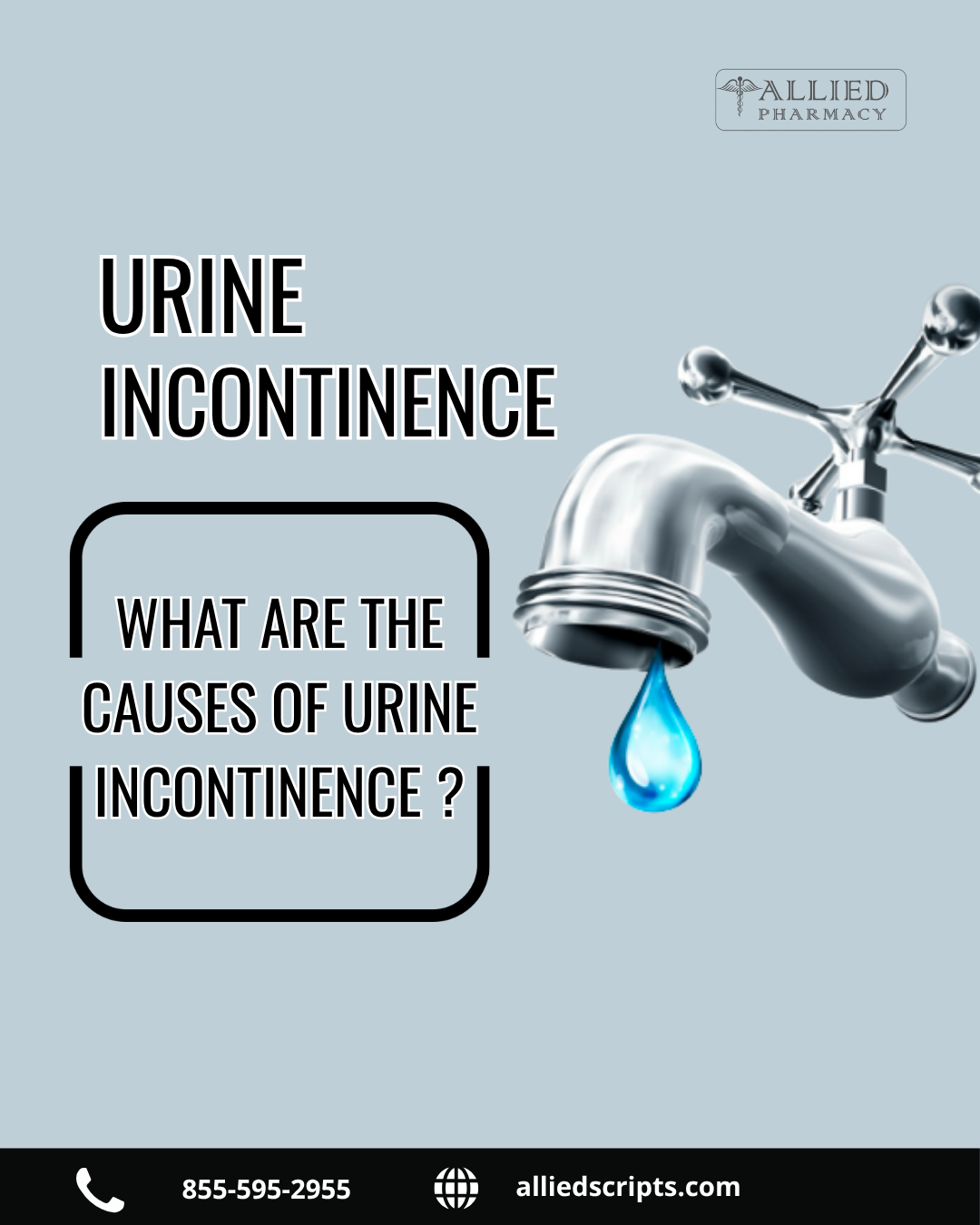
There isn’t one single reason. In most cases, it’s a mix of changes in muscles, hormones, or nerve function. Here are some of the most common causes:
-
Weak pelvic muscles: These muscles support your bladder. Pregnancy, childbirth, or aging can weaken them, making it hard to hold urine.
-
Nerve damage: Diabetes, spinal injuries, or certain surgeries can disrupt the nerves that control the bladder.
-
Hormonal changes: In women, menopause can lower estrogen levels, leading to less bladder support and control.
-
Urinary tract infections: Infections can irritate the bladder, causing temporary leakage or urgency.
-
Prostate problems in men: An enlarged prostate or prostate surgery can lead to incontinence.
-
Medications or caffeine: Some medicines, coffee, and alcohol can act as diuretics, making you urinate more often.
Types of Urine Incontinence
Not all bladder leaks are the same — understanding which type you have helps doctors decide what works best for treatment.
1. Stress Incontinence:
Leaking occurs when pressure builds on your bladder — like when coughing, laughing, sneezing, or lifting something heavy. It’s very common in women after childbirth.
2. Urge Incontinence:
You suddenly feel the need to urinate and can’t hold it. It’s caused by an overactive bladder or nerve-related issues.
3. Overflow Incontinence:
This happens when the bladder doesn’t empty completely, leading to constant dribbling or leakage. It’s more common in men with prostate issues.
4. Functional Incontinence:
Sometimes the bladder works fine, but physical or mental conditions — like arthritis or dementia — make it hard to reach the bathroom in time.
5. Mixed Incontinence:
A combination of two or more types, often stress and urge incontinence together.
How It Affects Daily Life
Beyond physical discomfort, urine incontinence can cause emotional distress. People often feel embarrassed, avoid social gatherings, or reduce water intake to prevent accidents — which only worsens health. Some may even start isolating themselves out of fear.
But here’s the truth: you are not alone. Millions of people face the same problem, and with the right help, life can go back to normal. Talking to your doctor or pharmacist is the first step toward regaining control.
Simple Steps That Help
While treatment depends on the type and cause, small changes in daily habits can make a real difference:
-
Bladder training: Try scheduling bathroom visits and gradually increasing the time between trips to strengthen bladder control.
-
Pelvic floor exercises: Kegels help strengthen muscles that support the bladder and can reduce leakage.
-
Limit caffeine and alcohol: These irritate the bladder and increase urgency.
-
Maintain a healthy weight: Extra body weight puts pressure on the bladder.
-
Avoid constipation: Straining during bowel movements can weaken bladder muscles over time.
-
Stay hydrated: Cutting down water isn’t a solution — dehydration can actually irritate the bladder more.
When to Seek Medical Help
If you notice frequent leaks, a sudden change in bladder habits, or pain while urinating, it’s time to consult your doctor. Don’t wait until it becomes emotionally or physically overwhelming.
At Allied Pharmacy, our team can help you connect with healthcare professionals and guide you toward suitable medication, bladder control products, or supplements that may ease your condition.
Breaking the Silence Around Bladder Health
One of the biggest barriers to treatment is embarrassment. Many people think it’s just part of growing older or something they must hide — but ignoring it only makes it worse. Talking about it openly, especially with a pharmacist or healthcare provider, can lead to better solutions and a healthier, more confident life.
Remember — seeking help is not a sign of weakness, it’s a sign of strength. Every body deserves care, respect, and comfort, no matter the challenge.
Final Thoughts
Urine incontinence might feel like a private struggle, but it doesn’t have to define your daily life. From exercises and lifestyle changes to medical treatments, there are ways to regain control and confidence.
At Allied Pharmacy, we believe that education leads to empowerment. If you or a loved one are dealing with urine incontinence, reach out — together, we can take the first step toward a more comfortable, confident tomorrow.

 English
 Arabic
 French
 Spanish
 Portuguese
 Deutsch
 Dutch
Dutch
 Italiano
 Russian
 Romaian
 Portuguese (Brazil)
 Tiếng Việt