


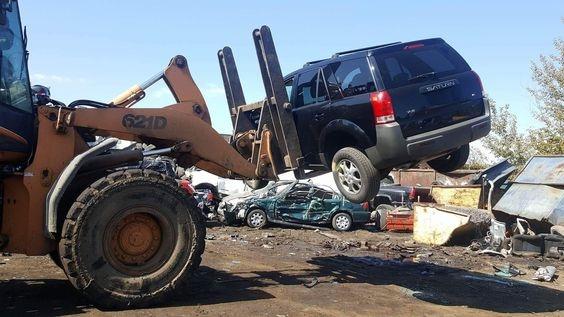
Drive through almost any neighborhood in Baytown, and you’re likely to see one: a car sitting idle on the side of a house, tucked under a tarp in a backyard, or slowly sinking into the ground in an empty lot. These vehicles, often referred to as "junk cars," are more than just an eyesore that lowers property values. They are a silent, ticking environmental liability for our community. From the oil slowly leaking onto the ground to the old battery slowly degrading, an abandoned car is a source of pollution that directly impacts our local ecosystem, including the watershed that feeds into the Trinity Bay and the San Jacinto River.
The instinct for many is to let a non-running car sit indefinitely, thinking it's the path of least resistance. However, this passive approach has active consequences for our environment and our community's health. The responsible alternative—utilizing a professional Junk cars service—is not just a convenient way to clear space. It is a critical act of environmental stewardship that protects our natural resources, conserves energy, and contributes to a cleaner, healthier Baytown. By understanding the process and its benefits, turning that rusting hulk into a positive outcome becomes a simple and rewarding decision.
The Hidden Dangers of an Abandoned Vehicle
A car is a complex assembly of thousands of parts, many of which contain hazardous materials. When left to the elements in a backyard or field, these components begin to break down and leach into the environment.
Contamination of Soil and Water
This is the most direct and localized threat. Consider what’s inside a typical junk car:
-
Engine Oil and Transmission Fluid: A single car can hold 5 to 8 quarts of used motor oil. If leaked, this oil can contaminate an estimated one million gallons of water. In Baytown, with our high water table and proximity to sensitive coastal marshes, a slow leak from a junk car can directly impact groundwater and eventually flow into the Trinity Bay, harming aquatic life.
-
Antifreeze (Coolant): This brightly colored liquid is highly toxic and attractive to animals, but it can cause severe organ damage and is often fatal if ingested. It can also render soil infertile.
-
Battery Acid: Lead-acid car batteries contain sulfuric acid and lead, both potent neurotoxins. When a battery casing cracks, these dangerous substances can seep directly into the soil.
-
Gasoline and Brake Fluid: These petroleum-based fluids are harmful to soil microbes and can create long-term contamination.
When it rains, these fluids are washed off the car and into the ground, creating a toxic plume that can spread far from the original source. This is a direct threat to the local environment right here in our community.
Air Quality and Safety Hazards
An abandoned car isn't just a ground-level problem. As interior materials like foam, plastic, and fabric break down, they can release volatile organic compounds (VOCs) into the air. Furthermore, a junk car often becomes a home for pests like rats and mosquitoes, which can carry diseases. The stagnant water that collects in old tires is a perfect breeding ground for mosquitoes, a known nuisance and health concern in our humid Gulf Coast climate. From an air quality and public health perspective, removing these vehicles is a clear benefit.
The Solution: The Professional Junk Car Removal Process
So, what happens when you call a reputable service for Junk cars Baytown TX? The process is designed to be easy for the car owner while ensuring the vehicle is handled with environmental responsibility at the forefront.
Step 1: Draining Fluids and Hazardous Materials
The first step at a professional recycling facility is the careful and complete draining of all hazardous liquids. This isn't a haphazard process. Each fluid is collected in separate, sealed containers.
-
Engine oil is filtered and re-refined into new lubricating oil.
-
Antifreeze is often purified and reused.
-
Gasoline may be cleaned and used as an industrial fuel.
-
Battery acid is neutralized, and the lead plates are recycled to make new batteries.
This meticulous separation prevents cross-contamination and ensures that over 95% of these fluids are kept out of our local environment and put back to productive use.
Step 2: Dismantling and Parts Reuse
Before the car is crushed, valuable parts are removed. This is a crucial part of the recycling hierarchy: reuse is even better than recycling.
-
Engines and Transmissions: If they are still in good condition, these major components can be remanufactured or sold as used parts.
-
Doors, Fenders, and Body Panels: Undamaged body parts are in high demand for collision repair.
-
Alternators, Starters, and Electronics: These components are tested, and if functional, are resold.
By reusing these parts, we reduce the demand for manufacturing new ones. This saves the immense amount of energy, raw materials, and water required to produce a new part from scratch. It’s a direct contribution to a circular economy that benefits both the consumer and the planet.
Step 3: Crushing and Metal Recycling
Once the car is stripped of its hazardous fluids and reusable parts, what remains is the metal shell. This is where the bulk of the vehicle's weight—primarily steel—is recycled.
-
The car body is flattened in a crusher and then shredded into small pieces.
-
Using powerful magnets, the ferrous metals (like steel) are separated from non-ferrous metals (like aluminum and copper).
-
This scrap metal is then shipped to steel mills where it becomes the raw material for new products, from new cars and appliances to construction beams.
Recycling steel from a junk car uses about 74% less energy than producing new steel from iron ore. It also reduces air pollution by 86% and water pollution by 76%. For every ton of steel recycled, 2,500 pounds of iron ore, 1,400 pounds of coal, and 120 pounds of limestone are conserved.
The Collective Impact on Baytown and Beyond
The benefits of choosing professional junk car removal extend far beyond your own property line. They create a positive ripple effect throughout our community and the wider world.
A Cleaner Local Environment
By preventing toxic fluids from seeping into our soil and groundwater, we are directly protecting the health of our local ecosystems. This means cleaner water in the Trinity Bay, healthier fish populations, and a more beautiful natural environment for all Baytown residents to enjoy. It’s a direct investment in the natural beauty that makes our region special.
Conservation of Natural Resources
The recycling process is a powerful tool for conservation. When we recycle the steel from a single car, we save enough energy to power the average American home for over a year. By reusing functional parts, we reduce the need to mine for new metals, drill for new oil, and manufacture new components. This collective effort preserves finite natural resources for future generations.
Supporting the Local Economy
The Junk cars service industry supports local jobs, from the tow truck drivers who pick up the vehicles to the skilled workers at the local recycling yards. Furthermore, the availability of affordable, quality used parts helps Baytown residents and auto repair shops save money on vehicle maintenance, keeping resources within our local economy.
That old, unused car sitting on your property is more than an inconvenience; it's an untapped resource and a potential environmental hazard. Choosing a responsible junk car removal service is a simple, powerful action you can take to protect Baytown’s environment, conserve precious natural resources, and contribute to a more sustainable economic model. It turns a problem into a solution, clearing your space while helping to keep our community clean and green for everyone.

 English
 Arabic
 French
 Spanish
 Portuguese
 Deutsch
 Turkish
 Dutch
Dutch
 Italiano
 Russian
 Romaian
 Portuguese (Brazil)