


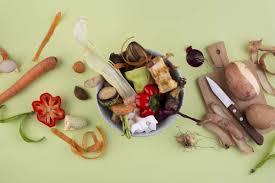
When I first started paying attention to how much food I was wasting, I realized it wasn’t just about throwing away scraps — it was about losing money, effort, and opportunity. Every leftover had potential; it only needed a little creativity to become something special again. That’s when I began practicing zero-waste cooking — a simple yet effective approach that turns everyday leftovers into flavorful meals while helping reduce waste at home.
The Problem: Food Waste in Everyday Kitchens
Food waste happens so quietly that we hardly notice it. A few spoonfuls of rice, half an onion, or some stale bread often end up in the bin without much thought. But when I looked closer, I saw how much food I was wasting weekly. I realized that if I planned a little better and used my leftovers smartly, I could not only save money but also enjoy more variety in my meals.
Zero-waste cooking isn’t about restriction; it’s about making smarter use of what’s already there. For instance, that extra rice from dinner can become fried rice for lunch, or vegetable peels can transform into flavorful stocks. It’s all about reimagining ingredients and using them efficiently.
Many people think that cooking with leftovers means eating the same thing twice, but it’s far from that. It’s an opportunity to experiment, mix flavors, and create dishes that taste completely different from the original meal.
The Agitation: Why We Waste Without Realizing
When I looked deeper into my cooking routine, I found out that food waste wasn’t because I didn’t care; it was because I didn’t plan. I often cooked too much or forgot about ingredients hidden in the fridge. It’s something many of us can relate to. We buy fresh produce with good intentions, but busy schedules make it hard to use everything on time.
This made me think differently about my approach to cooking. Instead of planning meals first and ingredients second, I started planning based on what I already had. It shifted my mindset completely. Now, my kitchen feels more organized, and I feel more confident about using every bit of what I buy.
The beauty of zero-waste cooking is that it’s sustainable and fulfilling. It encourages mindfulness — not only in how we cook but also in how we eat. By reusing leftovers, I discovered flavors that I wouldn’t have otherwise tried.
The Solution: Smart, Simple, and Sustainable Cooking
I started by making small changes that made a big difference. Over time, I noticed how easy it became to reduce waste and still enjoy delicious meals. Here’s how I approached it:
1. Plan with Purpose
Instead of buying groceries randomly, I now check what I already have before making a list. This helps me plan meals around existing ingredients and reduces the chance of anything going bad. It also saves time and money because I only buy what I truly need.
2. Store Food the Right Way
Storage plays a big role in zero-waste cooking. Keeping herbs in damp paper towels, storing vegetables in breathable bags, and freezing leftovers properly all help keep food fresh longer. A little organization can go a long way in preventing spoilage.
3. Transform Leftovers Creatively
This is where cooking becomes fun. I treat leftovers as the starting point for new meals. For example:
-
Cooked vegetables become fillings for wraps or sandwiches.
-
Stale bread turns into crunchy croutons or breadcrumbs.
-
Overripe fruits make great smoothies or pancake toppings.
-
Rice can be reshaped into fritters or added to soups for texture.
Every ingredient gets a second chance, and nothing goes to waste. It’s also a great way to add variety without spending extra money or time.
4. Compost What You Can’t Use
Even with the best intentions, some waste is inevitable. Composting is a simple and eco-friendly way to handle scraps like peels or eggshells. It’s easy to start small, even if you live in an apartment. Over time, composting creates nutrient-rich soil that can be used for plants or gardens.
I often find inspiration for my zero-waste meals while doing other everyday activities, like when I relax with my Mr Fog Nova 36K Puffs Disposable after cooking. It’s a small moment that reminds me how satisfying it feels to create something good from what’s already there — both in food and in life.
Making Gourmet Meals from Simple Leftovers
Cooking with leftovers doesn’t mean compromising on taste. In fact, it often enhances it. Leftovers have had time to absorb flavors, making them perfect for reinvention. Here are a few easy examples I use regularly:
-
Rice to Risotto: Add a bit of broth, sautéed vegetables, and some herbs to turn plain rice into a creamy risotto.
-
Bread to Pudding: Combine leftover bread with milk, eggs, and sugar for a simple yet delightful dessert.
-
Vegetable Scraps to Stock: Save onion peels, carrot tops, and celery ends to make a rich homemade stock.
-
Roasted Chicken to Soup: Use the leftover meat and bones to make hearty soup packed with flavor.
These dishes not only make me feel resourceful but also taste amazing. Each one tells a small story of creativity and purpose in the kitchen.
Building a Zero-Waste Habit
When I first started, it took some practice to get used to zero-waste cooking. But now, it’s a natural part of how I cook. The satisfaction of turning yesterday’s meal into something fresh and delicious is hard to beat.
Here are a few things that helped me build the habit:
-
Start Small: Focus on one meal a day where you use leftovers.
-
Get Creative: Try new recipes or cuisines using what’s already in your kitchen.
-
Track Your Progress: Notice how much less you throw away each week — it’s a great motivator.
-
Share Ideas: Talk with friends or family about recipes that reuse ingredients; it spreads awareness and inspiration.
Zero-waste cooking is about mindfulness and joy, not perfection. It’s about appreciating every ingredient and making the most of what you have. The more I practiced it, the more I realized how much cooking can reflect personal values — sustainability, resourcefulness, and care.
A Lifestyle Beyond the Kitchen
Zero-waste cooking isn’t just about saving food; it’s about adopting a lifestyle of thoughtful consumption. It aligns perfectly with other small changes that make life more balanced and mindful. Just like how I appreciate the convenience and design of Mr Fog Switch SW15000, I appreciate how simple, intentional actions can make daily life smoother and more enjoyable.
Cooking this way has also made me more connected to what I eat. I now value the effort that goes into growing, preparing, and enjoying every meal. That connection adds meaning to even the simplest dishes.
Today, when I open my fridge, I don’t see random leftovers; I see possibilities. A few spoonfuls of curry, half a loaf of bread, or extra pasta — all of it can be reborn into something tasty. It’s a creative process that keeps cooking exciting and sustainable.
Zero-waste cooking has taught me that good food doesn’t have to be complicated or wasteful. It’s about using what you have and doing it with intention. Every small choice adds up to a bigger impact — for your wallet, your kitchen, and the planet.
And just as I enjoy a moment of calm with Mr Fog Nicotine Pouches after finishing a meal, I take a moment to appreciate how mindful habits make life more satisfying. Cooking, like everything else, becomes more rewarding when we do it with purpose and awareness.
Turning Every Meal Into a New Beginning
Zero-waste cooking isn’t just a kitchen trend; it’s a mindset. It encourages me to see value in what’s often overlooked, to experiment without fear, and to make the most of every meal. It’s a practical, meaningful, and enjoyable way to live — one that turns simple leftovers into gourmet creations while helping build a more sustainable future.
Every time I cook this way, I’m reminded that creativity thrives within limits. And when those limits help reduce waste and inspire better habits, that’s a win worth savoring — one meal at a time.

 English
 Arabic
 French
 Spanish
 Portuguese
 Turkish
 Dutch
Dutch
 Italiano
 Russian
 Romaian
 Portuguese (Brazil)
 Tiếng Việt