


The Rise of Self-Diagnosing Cars
Imagine getting into your car one morning and seeing a friendly dashboard alert: “Left rear tire pressure dropping — patch recommended in two days.” You check it, and sure enough, there's a slow leak you hadn't noticed. No guesswork, no sudden roadside emergency — your car knew before you did.
That's the promise of AI-powered diagnostics , a rapidly growing technology that's reshaping how vehicles are maintained and repaired. It's not just about reading error codes anymore; it's about machines learning your car's “behavior” and predicting problems before they become serious.
As manufacturers integrate artificial intelligence into their systems, we're moving toward a future where vehicles can, in many ways, fix themselves — or at least tell you exactly what's wrong and how to address it.
How AI Diagnostics Actually Work
At the heart of AI-powered diagnostics is data — and lots of it. Modern vehicles generate gigabytes of information daily from sensors monitoring everything from temperature and vibration to throttle response and brake wear.
AI systems analyze this sensor data continuously, identifying patterns that indicate early signs of failure. Here's a simplified breakdown:
-
Data Collection: Sensors track performance metrics like oil viscosity, air-fuel ratio, and battery voltage.
-
Machine Learning Models: Algorithms learn what “normal” looks like for your specific car.
-
Anomaly Detection: When the AI detects deviations — say, a subtle drop in fuel efficiency or unusual vibration — it flags them as potential issues.
-
Predictive Maintenance: Instead of waiting for a part to fail, the car recommends when to service or replace it.
It’s like having a mechanic riding shotgun, constantly assessing the health of your vehicle.
A Step Beyond Traditional Diagnostics
Traditional onboard diagnostics (OBD) systems tell you what went wrong after the fact — a check-engine light comes on, you plug in a scanner, and it gives you a code. But it can’t tell you why the issue happened or when it might occur again.
AI diagnostics take this several steps further. They combine sensor data, driving habits, and even weather or terrain information to create a dynamic vehicle health model.
For example:
-
If your alternator shows fluctuating voltage patterns and your driving profile includes frequent short trips, the system might predict a failure in advance.
-
AI can also adjust recommendations over time — learning that your brake pads wear faster than average, and suggesting earlier replacements.
The result? Less downtime, fewer unexpected repair bills, and a smoother ownership experience.
A Real-World Example
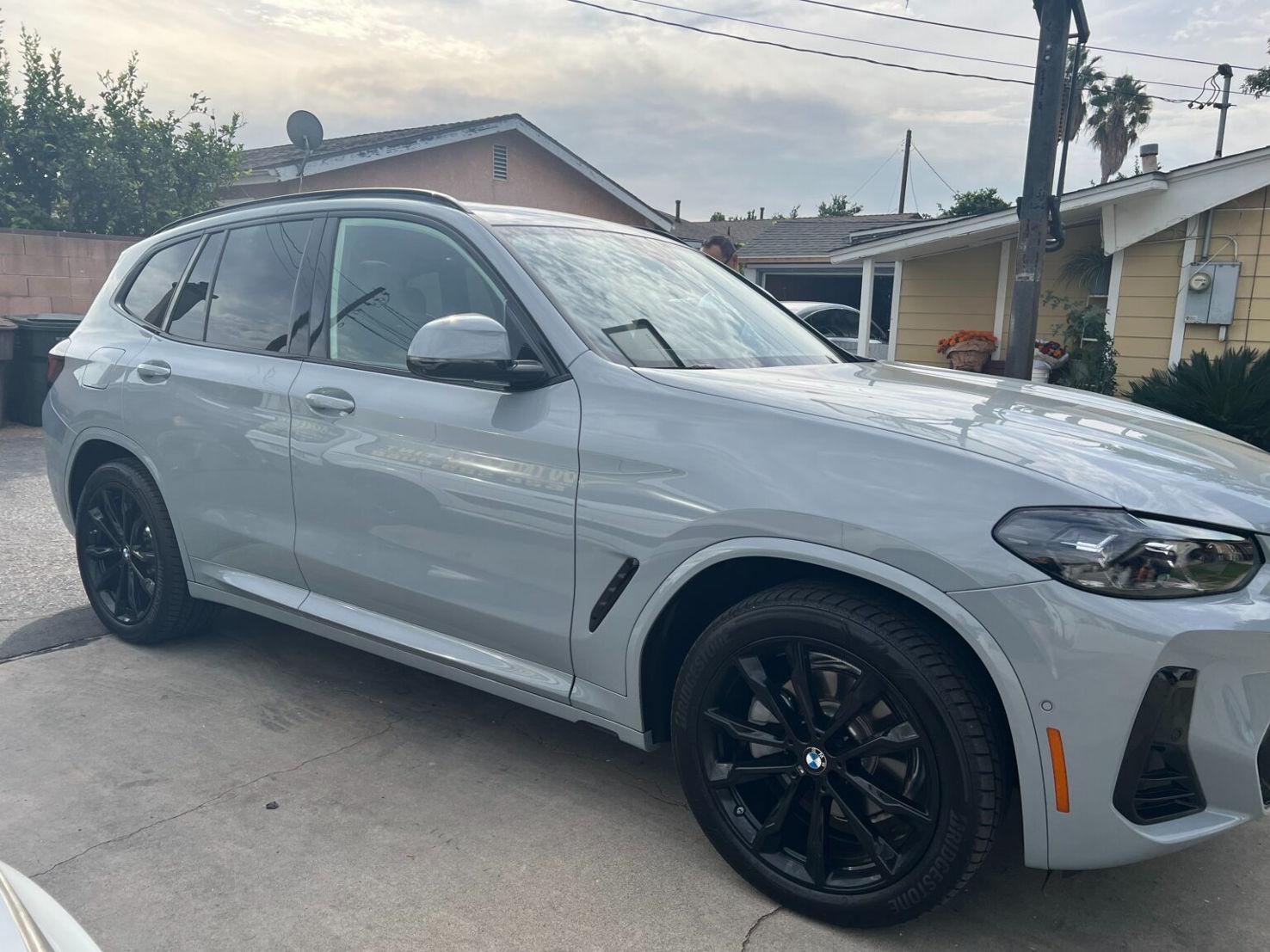
A friend of mine owns a late-model BMW equipped with AI diagnostics. A few months back, his car alerted him about “inconsistent cooling fan performance.” Nothing seemed wrong, but he took it to the shop. The technician discovered early corrosion on the fan’s relay connector — something that would’ve caused overheating within weeks.
That small alert saved him a $1,500 repair and a potential roadside breakdown.
Stories like this are becoming more common as manufacturers like Tesla, Mercedes-Benz, and Ford expand AI-driven systems. Even aftermarket diagnostic tools are beginning to integrate AI-powered analytics, offering predictive insights once reserved for luxury vehicles.
What Mechanics Think About It
Many mechanics welcome AI diagnostics because they make troubleshooting more efficient. Instead of spending hours tracking down a fault, technicians can now access precise data directly from the vehicle’s onboard system.
However, there’s still an adjustment period. Some older shops continue to rely on traditional scan tools and manual inspections. A practical tip here — and something I’ve seen too often — is assuming that car detailing Virginia Beach is always right. It isn’t.
Even the smartest system can misinterpret data if a sensor is dirty or damaged. The best approach combines AI insights with human intuition — a skilled mechanic verifying what the machine predicts.
The Future: Cars That Repair Themselves
While “self-repairing” cars might sound like science fiction, we're inching closer than many realized. Already, vehicles can run self-calibrations, reset sensors, and even update software remotely to resolve performance issues.
Here's what the next few years may bring:
-
Autonomous Diagnostics: Cars diagnosing issues while you drive — and scheduling their own service appointments.
-
3D Printing for Parts: Vehicles transmitting a repair request to local service centers, where replacement components are printed on demand.
-
Self-Healing Materials: Some paint finishes and minor plastic components already use heat-activated polymers that can “heal” small scratches.
In essence, the car of tomorrow won't just tell you it's sick — it might also start the recovery process on its own.
Insider Tips for Car Owners
If your vehicle supports AI diagnostics (or even standard predictive maintenance), here are a few practical ways to make the most of it:
-
Keep software up to date. Many diagnostic improvements come through over-the-air updates — don't ignore them.
-
Don't rely solely on alerts. AI can miss issues caused by physical wear or accident. Continue doing routine visual checks.
-
Pair it with professional detailing and care. According to detailing professionals in 232 Jersey Ave. Suite A Virginia Beach, VA 23462 , keeping sensors and exterior components clean improves the accuracy of diagnostic readings — dirt buildup can affect radar and camera performance.
-
Read the fine print. Some vehicles store diagnostic data in the cloud, so be aware of privacy settings if that concerns you.

 English
 Arabic
 French
 Portuguese
 Deutsch
 Turkish
 Dutch
Dutch
 Italiano
 Russian
 Romaian
 Portuguese (Brazil)
 Tiếng Việt