


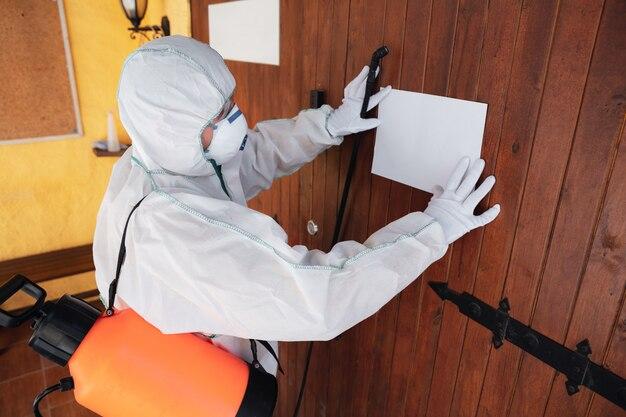
Most people don’t think twice about what it takes to handle an infestation—until they’re the one holding the spray gun. Exterminator training is where skill meets safety, and where a job becomes a lifelong profession.
Why Professional Exterminator Training Matters
The pest control industry looks straightforward from the outside—show up, treat an infestation, and move on. But behind every licensed exterminator is hours of study, fieldwork, and supervision. Exterminator training isn’t just about knowing what products to use; it’s about understanding when, how, and why to use them safely.
Many people underestimate the complexity of the job. Handling chemicals, identifying pest species, and protecting client health all require expertise. Without proper instruction, even experienced technicians can make errors that cost both time and reputation. That’s why training programs are structured to build real-world readiness, not just technical knowledge.
Many Start Without the Right Foundation
Every year, new technicians enter the pest control field believing they can learn everything on the job. They shadow a coworker for a few weeks, memorize some pesticide names, and feel ready to work independently. But the truth is, skipping or rushing through structured training often leads to serious consequences.
Untrained exterminators may apply treatments incorrectly, misidentify infestations, or overlook early warning signs of recurring pest activity. These mistakes can result in property damage, client dissatisfaction, and even violations of state pesticide laws.
In New York, exterminators must meet strict licensing standards for a reason. Pesticides, when mishandled, can contaminate water systems or harm non-target species. Inadequate preparation doesn’t just affect your career—it can affect the community you serve.
How Small Mistakes Turn Into Big Problems
Imagine being called to a restaurant kitchen with a severe cockroach problem. You treat the visible areas but fail to recognize that the roaches are nesting behind the walk-in refrigerator—an oversight caused by lack of inspection training. Within a week, the pests are back, and the client calls another company.
These scenarios happen often, especially among technicians who rush through certification or skip continuing education. Without strong foundational training, it’s easy to overlook the science behind pest behavior and the regulations that guide safe control practices.
Even seasoned workers can run into issues when they rely on outdated techniques. Pest management methods evolve constantly, and so do state rules about chemical use and safety gear. Training keeps exterminators updated, compliant, and capable of handling new challenges with confidence.
Structured, Practical, and Hands-On Learning
The best solution is proper education that combines classroom learning with field experience. Quality training programs don’t just teach exterminators how to kill pests—they teach them how to think like investigators.
Effective courses include:
Pest Biology and Identification: Learning to distinguish between species to choose the right treatment strategy.
Chemical Safety and Application: Understanding pesticide labels, dosage, and environmental impact.
Integrated Pest Management (IPM): Focusing on long-term prevention rather than short-term fixes.
Regulation and Compliance: Knowing local and federal laws that govern pest control operations.
Customer Communication: Explaining treatments clearly and building client trust.
This mix of theory and field practice helps future exterminators gain the confidence they need to handle real-world challenges safely and effectively.
Real Training, Real Results in Bethpage, Long Island
To see the difference proper training makes, consider the story of Daniel Ortiz, a trainee from Bethpage, Long Island.
Daniel joined a small pest control company that serviced residential homes and apartment complexes across Nassau County. Initially, he learned by watching others. But when he faced a heavy termite infestation in an older home near Central Avenue, his lack of training became clear.
The client had noticed tiny wood dust trails and called for help. Daniel treated the visible areas but missed the main colony hidden behind the foundation beams. Within a month, the damage worsened. His supervisor reviewed the case and realized Daniel hadn’t been properly trained in termite inspection procedures.
Determined to improve, Daniel enrolled in a state-approved training program covering termite biology, moisture control, and structural inspection. He learned how to detect early colony signs and interpret moisture readings to locate hidden infestations.
A few months later, the same company received a similar job nearby. This time, Daniel performed a complete inspection, identified structural vulnerabilities, and recommended corrective construction measures along with targeted treatment. The results were immediate—the infestation didn’t return, and the homeowner left glowing feedback.
This case illustrates what’s at stake: proper education turns mistakes into mastery.
Choosing the Right Training Program
If you’re searching online for exterminator training near me, you’ll likely find dozens of schools, workshops, and online courses. But not all programs meet the same standards.
When evaluating your options, look for:
State Approval: Confirm that the course is recognized by your state’s environmental or agricultural department.
Practical Experience: Training that includes hands-on sessions or supervised fieldwork is far more valuable than classroom-only instruction.
Comprehensive Curriculum: The best programs teach pest biology, pesticide safety, and customer communication together.
Flexible Schedules: Many reputable training centers offer evening or weekend sessions for working students.
Taking the time to verify accreditation ensures your certification will be valid when applying for state licensing exams.
How Exterminator Training Builds Long-Term Career Success
Once you’re certified, your learning doesn’t stop. Continuing education is often required to renew your license—and for good reason. Pest control methods evolve as new products and technologies emerge.
Exterminator training also strengthens your reputation in the field. Clients trust professionals who demonstrate expertise and confidence. Employers are more likely to promote licensed technicians who show commitment to learning.
Additionally, training opens the door to specialization. Whether you want to focus on structural pests, bed bugs, termites, or public health pest control, each area requires advanced knowledge. Continuous education ensures you can adapt and grow as the industry changes.
Real-World Benefits of Proper Training
Beyond safety and skill, comprehensive training provides several career advantages:
Professional Credibility: Licensed exterminators are recognized as trustworthy and competent.
Legal Protection: Understanding pesticide laws reduces the risk of violations and fines.
Higher Earning Potential: Certification often leads to better job offers and promotions.
Improved Customer Satisfaction: Skilled exterminators solve problems effectively, creating loyal clients.
These benefits combine to create a stable and rewarding career path in an industry that’s always in demand.
What New Trainees Should Keep in Mind
Starting out can feel overwhelming, but a few key habits can make all the difference:
Take Notes During Training: Even small details about pest behavior or chemical safety matter in the field.
Ask Questions: Experienced instructors appreciate curiosity—it shows engagement and commitment.
Shadow Licensed Technicians: Real experience brings theory to life.
Stay Organized: Keep copies of your certifications, attendance records, and field hours for future licensing requirements.
Small efforts like these separate great technicians from average ones.
The Human Side of Pest Control
What many people forget is that pest control isn’t just about bugs—it’s about people. When you walk into someone’s home or business, you’re solving a problem that often causes stress or embarrassment.
Well-trained exterminators know how to approach clients with professionalism and empathy. They take time to explain procedures, safety measures, and follow-up plans. This personal touch builds trust, which is just as important as the treatment itself.
That’s why solid training doesn’t just teach science—it teaches service.
Conclusion
If you’re serious about building a long-term career in pest control, invest in your education from the start. Quality training gives you more than a license—it gives you confidence, credibility, and peace of mind.
Remember, every successful exterminator once started where you are: curious, motivated, and eager to learn. The difference between those who last in the field and those who burn out is preparation.

 English
 Arabic
 French
 Spanish
 Deutsch
 Turkish
 Dutch
Dutch
 Italiano
 Russian
 Romaian
 Portuguese (Brazil)
 Tiếng Việt