


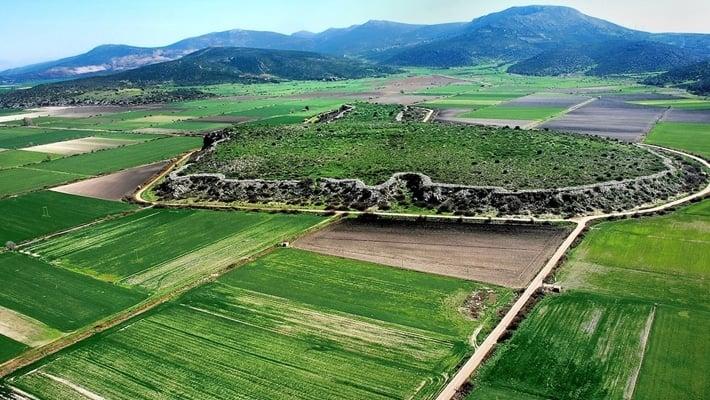
Nestled in the heart of Central Greece, Kopaida (Κωπαΐδα)—also known as the Lake Copais Plain—is a region steeped in mythology, engineering marvels, and agricultural prosperity. Once covered by a vast lake that ancient civilizations drained through ingenious systems, Kopaida today stands as one of Greece’s most fertile plains. Its story weaves together the threads of ancient history, environmental transformation, and modern development, making it a fascinating study of human resilience and innovation.
From prehistoric myths of heroes and gods to the modern cultivation of grains, cotton, and vegetables, Kopaida symbolizes the enduring Greek spirit that continuously reinvents itself through time. This article explores the full spectrum of Kopaida’s history, geography, archaeological significance, and its role in shaping Central Greece’s economy and culture—while also discussing modern opportunities like Greek real estate investment, which continues to draw global attention.
Geographical Overview of Kopaida
Kopaida lies within the region of Boeotia (Viotia) in Central Greece, surrounded by the mountain ranges of Parnassus, Helicon, and Parnes. The area once hosted Lake Copais, the largest lake in ancient Greece, which occupied a vast depression in the Boeotian basin. The lake was fed by several rivers, including the Cephissus, Melas, and Hermus, creating a fertile but flood-prone landscape.
Today, the drained basin forms an expansive agricultural plain, rich in nutrients and ideal for farming. The soil, composed of ancient lake sediment, offers exceptional fertility, allowing for the growth of crops such as wheat, maize, and cotton. The plain’s natural beauty, framed by mountain silhouettes and historic ruins, makes Kopaida a unique blend of agricultural and cultural significance.
The Mythological Roots of Kopaida
Kopaida is deeply intertwined with Greek mythology, offering fascinating legends that connect its landscape to divine tales. According to myth, King Copaeus, from whom the name “Copais” derives, was one of the early rulers of the region. Some legends associate the lake with the Labors of Heracles (Hercules)—particularly the slaying of the Lernaean Hydra, which was said to dwell in a swamp connected to Kopaida’s watery domain.
Another myth links Kopaida to Orchomenus, the ancient city often called the “Minyean Orchomenus.” The Minyans, one of Greece’s earliest civilizations, were believed to have engineered vast drainage systems to control the waters of Lake Copais. These works were so advanced that later historians, including Pausanias, described them as “the marvel of Greece.”
The Ancient Engineering Feat: Draining Lake Copais
One of the most astonishing aspects of Kopaida’s history is the ancient drainage system designed by the Minyans around 1300 BCE. This system channeled water from the lake into natural sinkholes and underground tunnels called katavothres, leading into the Euboean Gulf. The engineering complexity of these structures demonstrated a mastery of hydrology unmatched for centuries.
Archaeologists have uncovered artificial channels, stone walls, and subterranean tunnels that reveal the advanced level of Mycenaean technology. The Minyans effectively transformed a swampy lake into productive farmland—a feat that continued to influence agricultural engineering long after their civilization declined.
Over the centuries, as the drainage system fell into disrepair, Lake Copais re-emerged, swallowing farmlands and altering local livelihoods. Yet, the ancient achievement remains a testament to the ingenuity of early Greek civilizations, whose innovations rival those of later European societies.
The Modern Draining of Lake Copais
In the late 19th century, modern Greece faced the challenge of reclaiming the fertile lands of the Lake Copais basin. The Copais Company Limited, a British firm, undertook the monumental project of draining the lake permanently between 1882 and 1931. This engineering triumph involved digging massive canals, tunnels, and embankments, redirecting the water into the sea.
Once drained, the former lakebed was transformed into the Kopaida Plain, one of Greece’s most productive agricultural regions. The government later nationalized the project, managing it under the Kopaida Organization, which oversaw irrigation, land distribution, and crop development.
Today, the plain continues to sustain thousands of farmers, contributing significantly to Greece’s agricultural exports. It remains a shining example of human adaptation to nature—a rare case where ancient ambition and modern engineering perfectly aligned.
Kopaida’s Archaeological and Historical Sites
The area surrounding Kopaida is rich with archaeological treasures, revealing remnants of ancient cities that once thrived along the lake’s shores. Key sites include:
1. Orchomenus (Orchomenos)
Once a major Mycenaean city, Orchomenus was known for its wealth and artistry. The Treasury of Minyas, a monumental tholos tomb similar to Mycenae’s Treasury of Atreus, stands as one of the best-preserved structures in Boeotia. Orchomenus also housed important temples dedicated to Zeus and Charites (Graces).
2. Chaironeia
Famous for the Battle of Chaeronea (338 BCE), where Philip II of Macedon and his son Alexander the Great defeated the Greek city-states, this site lies on the western edge of the Kopaida Plain. The Lion of Chaeronea, a massive stone monument, commemorates the fallen Thebans of the Sacred Band.
3. Copae and Haliartus
Ancient towns mentioned by Homer in the Iliad, Copae and Haliartus were lakeside settlements. Archaeological remains include fortifications, pottery, and remnants of early habitation, offering valuable insight into life around ancient Lake Copais.
These historical sites attract archaeologists, historians, and cultural travelers eager to uncover the mysteries buried beneath Kopaida’s fertile soil.
Flora and Fauna of Kopaida
Despite being largely agricultural today, the Kopaida region still supports diverse ecosystems. The Cephissus River and irrigation channels create wetlands that host migratory birds, amphibians, and fish species. Native vegetation includes olive trees, reeds, and Mediterranean herbs that thrive along the riverbanks.
Environmental organizations emphasize preserving these remaining habitats, balancing agricultural productivity with ecological sustainability. Eco-tourism is gradually emerging, with visitors enjoying birdwatching and rural exploration.
Agriculture and Economy in Kopaida
Kopaida’s agricultural dominance defines its modern identity. The region produces an array of crops, including:
-
Cereals (wheat, corn, barley)
-
Cotton, a major export crop
-
Sugar beets
-
Vegetables and legumes
-
Tobacco and fodder plants
Livestock farming and dairy production also contribute significantly to the local economy. The fertile land and advanced irrigation systems ensure year-round productivity, making Kopaida one of Greece’s agricultural backbones.
Efforts to modernize farming practices—through precision irrigation, mechanization, and sustainable land management—are transforming Kopaida into a model of agricultural efficiency in the Mediterranean region.
Tourism in Kopaida and Surrounding Areas
Though primarily an agricultural zone, Kopaida and its surrounding areas offer several attractions for travelers seeking authentic rural Greece. Visitors can explore:
-
The Archaeological Museum of Thebes – showcasing artifacts from Kopaida and Boeotia.
-
Mount Helicon – associated with the Muses in Greek mythology, offering scenic hiking trails.
-
Lake Yliki – a nearby reservoir ideal for nature photography and relaxation.
-
Traditional villages such as Aliartos and Orchomenos, known for their hospitality and local cuisine.
Cultural festivals celebrating Boeotian music, dance, and agriculture also attract domestic tourists. With increasing interest in agro-tourism, Kopaida presents opportunities for visitors to engage in farm experiences, vineyard tours, and local product tastings.
The Cultural Significance of Kopaida
Kopaida’s story reflects the deep connection between humans and their environment. From prehistoric engineering to modern reclamation, the region exemplifies Greece’s ability to blend tradition with progress. The legends of the Minyans and the myths of ancient heroes continue to inspire local identity.
Folk traditions, agricultural festivals, and oral histories preserve the memory of Lake Copais, ensuring that its legacy endures through generations. Kopaida stands not only as a geographic plain but also as a cultural landscape—a living monument to Greek heritage and perseverance.
Greek Real Estate Investment: Opportunities in the Kopaida Region
Greece has become one of Europe’s most attractive destinations for real estate investment, thanks to its stable economy, EU membership, and scenic diversity. While urban centers like Athens and Thessaloniki draw international buyers, rural regions such as Central Greece, including Kopaida, are gaining attention for their affordable land, agricultural potential, and proximity to historical sites.
Investors can explore opportunities in agro-real estate, eco-resorts, and heritage restoration projects. The Greek government offers incentives for foreign investors, including the Golden Visa Program, which grants residency to those investing in property worth €250,000 or more.
In regions like Kopaida, where fertile plains meet ancient history, real estate investments can be both profitable and sustainable. Restoring traditional homes, developing small-scale tourist accommodations, or investing in agricultural estates aligns perfectly with Greece’s growing focus on eco-friendly and cultural tourism. As global demand for authentic Mediterranean experiences rises, Kopaida’s blend of heritage and nature presents a golden opportunity for investors seeking long-term value.
Preservation and Sustainable Development
As modern agriculture and tourism expand, maintaining ecological balance remains a priority. Projects promoting water management, soil conservation, and renewable energy are increasingly visible across Kopaida. Efforts to preserve archaeological sites, coupled with sustainable farming practices, ensure that development respects both history and the environment.
Collaborations between local authorities, universities, and environmental organizations are helping shape a sustainable future for the region—where ancient wisdom meets modern innovation.
Conclusion
Kopaida is far more than a fertile plain—it is a living testament to Greece’s ability to transform challenges into opportunities. From the mythological depths of Lake Copais to the monumental feats of ancient and modern engineering, Kopaida embodies human creativity, resilience, and harmony with nature.
Its archaeological treasures narrate tales of early civilizations, while its modern fields feed thousands. The plain’s story bridges millennia, illustrating Greece’s eternal dialogue between man and earth. With growing opportunities in agriculture, eco-tourism, and real estate investment, Kopaida continues to evolve as a symbol of progress rooted in tradition.
For travelers, historians, investors, and dreamers alike, Kopaida offers a glimpse into the timeless heart of Greece—a place where every furrowed field, ancient ruin, and whispering breeze tells a story older than history itself.

 English
 French
 Spanish
 Portuguese
 Deutsch
 Turkish
 Dutch
Dutch
 Italiano
 Russian
 Romaian
 Portuguese (Brazil)
 Tiếng Việt