


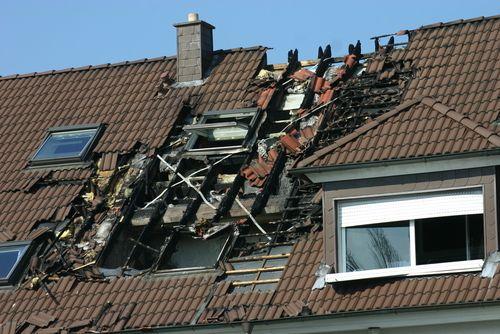
When nature strikes, it can leave behind a trail of destruction. Heavy rain, strong winds, hail, or even hurricanes can cause serious damage to homes and properties. In such situations, storm damage repair becomes essential to bring your home back to its original condition. Whether it’s a broken roof, flooded basement, or damaged siding, knowing how to respond quickly and effectively can save you time, money, and stress.
In this detailed guide, we’ll walk you through everything you need to know about storm damage repair, including the steps to take after a storm, how to find reliable contractors, and preventive tips to protect your property in the future.
Understanding Storm Damage
Storms can impact different parts of your home in many ways. Before you begin the storm damage repair process, it’s important to assess what kind of damage has occurred. Here are some common types:
-
Roof Damage – Strong winds can tear off shingles, while hail can crack or puncture roofing materials.
-
Water Damage – Heavy rainfall and flooding can seep into basements, walls, or ceilings, causing mold and rot.
-
Window and Door Damage – Flying debris or high pressure can shatter glass and weaken frames.
-
Siding Damage – Siding can crack, warp, or break under heavy winds and hail.
-
Structural Damage – In severe cases, the foundation, walls, or framework of your home can be affected.
Understanding the extent of the damage will help you decide whether you can handle small repairs yourself or if you need professional help.
First Steps After a Storm
When the storm passes, it’s natural to feel overwhelmed. But acting quickly and calmly is key. Here’s what to do right away:
-
Ensure Safety First
Check for downed power lines, gas leaks, or standing water. If your home seems unsafe, do not enter until authorities confirm it’s secure. -
Document the Damage
Take clear photos and videos of all damaged areas. These records will be helpful for insurance claims and future repairs. -
Contact Your Insurance Company
Notify your insurer as soon as possible. Provide them with evidence of the damage and ask about the coverage process. -
Prevent Further Damage
Cover holes in the roof, broken windows, or any open areas with tarps or boards to prevent additional water or wind damage. -
Call Professionals for Inspection
Once it’s safe, schedule an inspection from a licensed contractor to assess the full extent of the damage and start planning the storm damage repair process.
Choosing the Right Storm Damage Repair Contractor
One of the most important steps in recovery is choosing the right contractor. With so many companies offering storm restoration services, it can be hard to know who to trust. Follow these tips to make the right choice:
-
Look for Local and Licensed Contractors: Local companies are easier to contact and usually have a reputation in the community.
-
Check Reviews and References: Read online reviews or ask friends and neighbors for recommendations.
-
Request Written Estimates: Always get multiple estimates before signing a contract.
-
Avoid Scams: Be cautious of contractors who demand full payment upfront or appear right after a storm offering “cheap” deals.
-
Check Insurance and Certifications: A reputable contractor should have insurance coverage and proper licenses.
The Storm Damage Repair Process
The repair process will depend on the type and extent of damage, but generally, it involves these main steps:
1. Roof Repair and Replacement
Your roof is the first line of defense against the elements. After a storm, contractors will check for missing shingles, leaks, or structural issues. Depending on the severity, repairs might include patching damaged areas or replacing the entire roof.
2. Water Damage Restoration
Water damage is one of the most common and costly problems after a storm. Professionals use pumps, fans, and dehumidifiers to remove moisture, dry walls and floors, and prevent mold growth.
3. Window and Siding Repair
Windows and siding protect your home from wind and rain. Broken windows or cracked siding should be replaced quickly to avoid further damage and energy loss.
4. Interior Restoration
If your walls, ceilings, or flooring are affected, these will need to be replaced or repaired. This may include drywall replacement, repainting, and deep cleaning.
5. Electrical and Plumbing Checks
Storms can damage wiring and pipes, leading to potential hazards. Always have a professional inspect these systems before restoring power or water.
Filing an Insurance Claim
Dealing with insurance can be stressful, but it’s a necessary part of the recovery process. Here’s how to make it easier:
-
Review Your Policy: Understand what types of storm damage are covered.
-
Keep Detailed Records: Include photos, repair estimates, and receipts for temporary repairs.
-
Work with Your Adjuster: Meet with the insurance adjuster to walk them through the damage.
-
Don’t Rush Settlements: Take your time to ensure the claim covers all necessary repairs.
Many contractors also help homeowners communicate directly with insurance companies to make the process smoother.
Preventing Future Storm Damage
Once your storm damage repair is complete, it’s smart to take preventive measures to protect your home from future storms.
-
Inspect Your Roof Regularly: Replace old shingles and fix small leaks early.
-
Trim Trees Near Your Home: Falling branches can cause significant damage during high winds.
-
Install Storm Shutters: Protect your windows from debris during heavy storms.
-
Seal Cracks and Gaps: Prevent water from entering your home’s foundation or walls.
-
Maintain Gutters and Drains: Clean them often to ensure water flows away from your property.
Preparedness can reduce the severity of damage next time a storm hits.
Why Professional Help Matters
While DIY repairs might seem tempting, professional restoration ensures safety and quality. Experts have the right equipment, knowledge, and materials to restore your home efficiently and safely. They can also identify hidden issues—like internal water damage or mold—that untrained eyes might miss.
Conclusion
Recovering from a storm can be stressful, but with the right plan and help, your home can be restored to its original state. Quick action, proper documentation, and hiring experienced professionals are key steps in successful storm damage repair.
By understanding the process and preparing for the future, you can protect your home, reduce costs, and regain peace of mind faster. Remember—storms are unpredictable, but your response doesn’t have to be.

 English
 Arabic
 French
 Spanish
 Portuguese
 Deutsch
 Turkish
 Italiano
 Russian
 Romaian
 Portuguese (Brazil)
 Tiếng Việt