


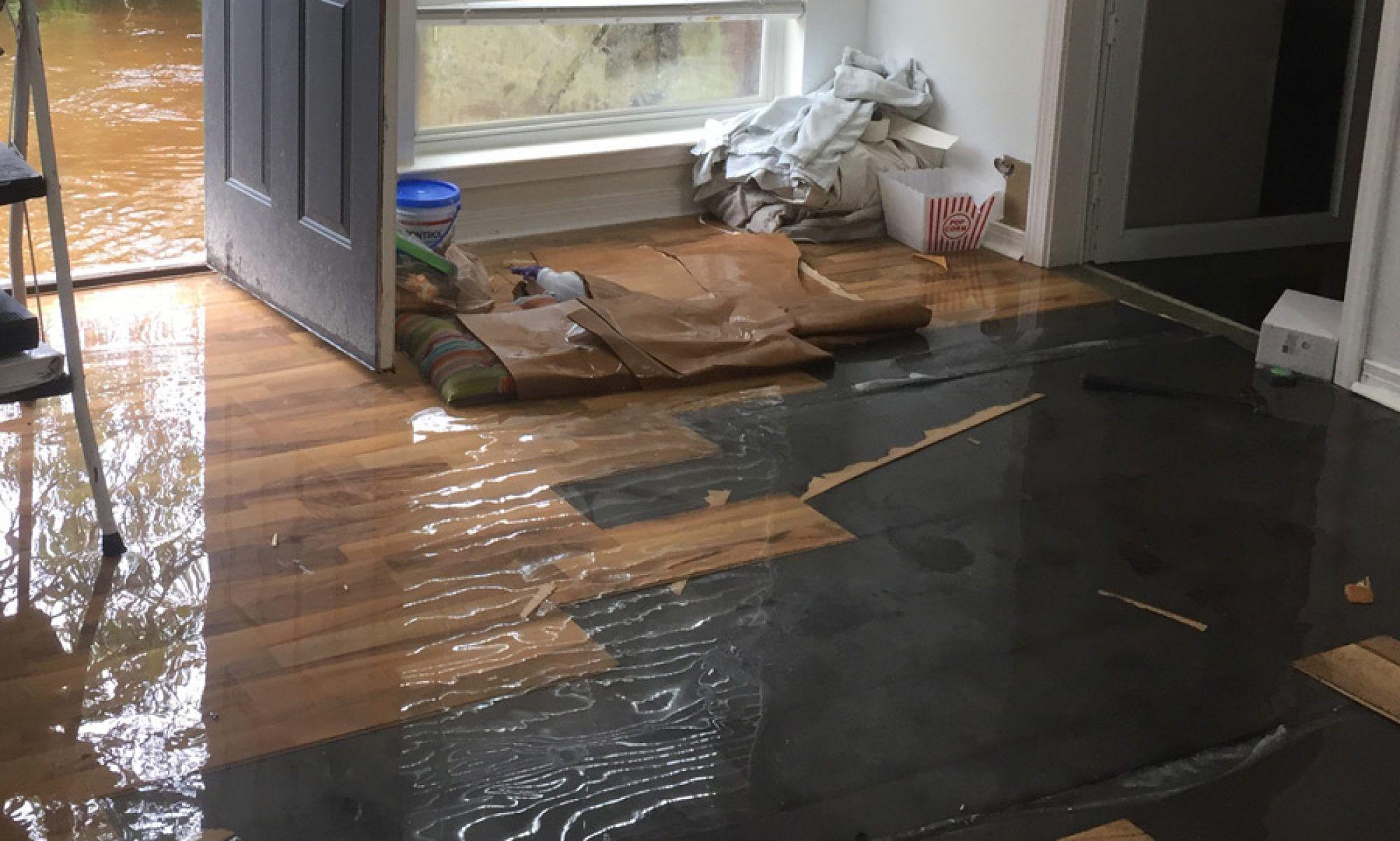
Mold is not just an eyesore—it’s a silent threat that can damage your property and seriously affect your health. Homeowners often underestimate mold growth, treating it as a minor inconvenience. But behind those black or greenish patches can lie structural decay, toxic spores, and long-term respiratory problems.
That’s where professional mold remediation services come into play. Unlike simple cleaning or DIY removal, remediation tackles the root cause of mold, ensuring your space is safe, clean, and moisture-free.
Understanding the Mold Problem
Mold is a type of fungus that thrives in warm, damp, and poorly ventilated areas. Bathrooms, basements, kitchens, and crawl spaces are common hotspots. Mold spores are naturally present in the air, but they become problematic when moisture allows them to grow on surfaces such as drywall, wood, carpet, or insulation.
Common Causes of Mold Growth:
-
Water leaks: Leaky roofs, burst pipes, or basement flooding.
-
Poor ventilation: Especially in bathrooms and kitchens.
-
Humidity: Indoor humidity levels above 60% create an ideal breeding ground.
-
Condensation: Often seen on cold surfaces like windows or uninsulated walls.
Even a small moisture problem can turn into a widespread infestation within 24–48 hours.
Health Risks Associated with Mold
Exposure to mold spores can trigger a range of health problems, particularly in children, the elderly, and those with respiratory conditions.
Common Symptoms Include:
-
Sneezing, coughing, or congestion
-
Eye, skin, or throat irritation
-
Worsening of asthma or allergies
-
Fatigue and headaches
Certain molds, like Stachybotrys chartarum (commonly known as black mold), can produce mycotoxins that are particularly harmful. Over time, continuous exposure can lead to chronic health issues.
Why Professional Mold Remediation Services Are Essential
It’s tempting to wipe away visible mold with bleach or household cleaners. However, this only addresses surface-level growth. The spores often remain hidden behind walls, under floors, or within insulation—ready to regrow.
Here’s why hiring a professional mold remediation service is the smartest choice:
1. Accurate Mold Assessment
Professionals use specialized tools like moisture meters and infrared cameras to identify the source and extent of the mold problem. This ensures that no affected area is overlooked.
2. Safe and Effective Removal
Mold remediation specialists follow safety protocols, such as sealing off contaminated areas with plastic sheeting and using HEPA filters to trap spores during removal.
3. Prevention of Cross-Contamination
During cleaning, mold spores can become airborne and spread to unaffected areas. Professionals use negative air pressure systems to prevent this.
4. Root Cause Elimination
Experts not only remove mold but also identify and fix the source of moisture—whether it’s a leak, humidity issue, or poor ventilation.
5. Long-Term Protection
Most remediation services provide post-treatment testing and moisture control recommendations to prevent mold from returning.
The Mold Remediation Process Explained
Professional mold remediation services follow a systematic approach to ensure complete and lasting results. Here’s a breakdown of what to expect:
Step 1: Inspection and Assessment
The process starts with a detailed inspection using advanced technology to locate visible and hidden mold. Air and surface samples may be collected for laboratory testing.
Step 2: Containment
To prevent cross-contamination, the affected area is sealed off with plastic barriers. Air filtration devices with HEPA filters are installed to capture airborne spores.
Step 3: Air Filtration
HEPA air scrubbers continuously clean the air during the remediation process, ensuring spores don’t spread through the HVAC system.
Step 4: Mold Removal
Depending on the level of contamination, professionals may remove affected materials like drywall, carpet, or insulation. Non-porous materials are cleaned using antifungal and antimicrobial treatments.
Step 5: Cleaning and Sanitizing
All surfaces and contents in the affected area are cleaned and disinfected. This includes furniture, curtains, and other personal belongings that may have been exposed.
Step 6: Restoration
After removal, the area is restored to its original condition. This may include replacing drywall, repainting, or even reconstructing portions of your home.
How to Know You Need Mold Remediation Services
You might not always see mold, but there are signs that indicate it’s time to call the experts:
-
A persistent musty odor in certain areas.
-
Water stains or discoloration on walls or ceilings.
-
Warped walls or flooring due to hidden moisture.
-
Increased allergy or asthma symptoms when indoors.
-
Recent water damage (e.g., flooding or leaks).
If you notice any of these warning signs, don’t wait—mold spreads quickly and can cause costly damage if left untreated.
DIY Mold Removal vs. Professional Remediation
While DIY methods may seem cost-effective, they often fail to solve the underlying issue. Here’s a quick comparison:
| Aspect | DIY Cleaning | Professional Remediation |
|---|---|---|
| Effectiveness | Temporary, surface-level | Permanent, root-cause removal |
| Safety | Limited protection | Full PPE and containment setup |
| Equipment | Basic household tools | Industrial-grade HEPA filters, air scrubbers |
| Expertise | Limited | Certified mold specialists |
| Long-Term Results | Risk of regrowth | Guaranteed prevention |
In short, DIY cleaning can work for very small, isolated cases (less than 10 sq. ft.), but for anything beyond that, professional help is essential.
Preventing Mold Growth After Remediation
Once the mold is gone, you’ll want to ensure it doesn’t return. Here are some prevention tips:
-
Fix leaks immediately – even small drips can cause mold over time.
-
Maintain humidity levels below 50% using a dehumidifier.
-
Ventilate properly – install exhaust fans in kitchens and bathrooms.
-
Clean and inspect HVAC systems regularly.
-
Use mold-resistant materials during renovations or construction.
A professional remediation company often provides personalized prevention advice based on your property’s conditions.
Cost of Mold Remediation Services
The cost of mold remediation varies depending on the size and severity of the infestation, the type of mold, and the materials affected. On average, homeowners can expect to pay:
-
Minor mold removal: $500 – $1,500
-
Moderate infestation: $2,000 – $5,000
-
Severe damage requiring restoration: $6,000 – $10,000+
Although it might seem expensive, investing in remediation is far more affordable than repairing extensive water or structural damage caused by untreated mold.
Choosing the Right Mold Remediation Company
When selecting a service provider, look for:
-
Certification: IICRC or NAMP certified technicians.
-
Experience: Proven track record with residential and commercial properties.
-
Comprehensive service: From inspection to post-remediation testing.
-
Transparent pricing: Detailed estimates with no hidden costs.
-
Positive reviews: Check testimonials and online ratings.
Looking for trusted local experts? Visit our Mold Remediation Services in LOS ANGELES page to learn how our certified specialists can restore your home safely and effectively.
Final Thoughts
Mold is a serious issue that demands professional attention. With proper mold remediation services, you can protect your property, safeguard your family’s health, and ensure long-term peace of mind. The sooner you act, the less damage mold can cause—and the easier it is to restore your home to a safe, healthy environment.
Don’t let mold take control of your space. Take the first step today and consult a certified mold remediation expert near you.

 English
 Arabic
 French
 Spanish
 Portuguese
 Deutsch
 Turkish
 Dutch
Dutch
 Russian
 Romaian
 Portuguese (Brazil)
 Tiếng Việt