


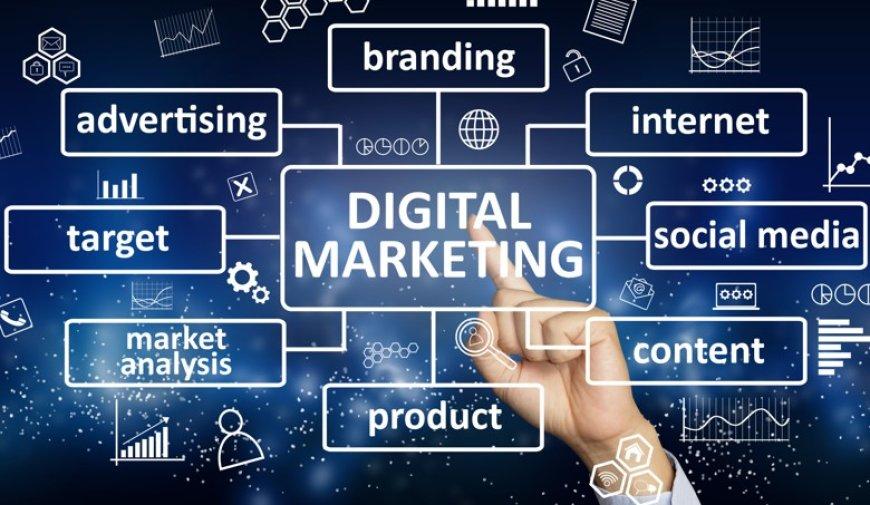
Artificial Intelligence is changing the way brands connect with people online. From the early days of simple banner ads to today’s advanced digital campaigns, advertising has grown into a science powered by data and machine learning. With the rise of Artificial Intelligence, online marketing has entered a new stage where accuracy, personal relevance, and timing matter more than ever.
The Rise of Smart Advertising
In the past, marketers relied heavily on human judgement and guesswork to decide when and where to place ads. Artificial Intelligence has replaced much of that guesswork with data-driven insights. Today’s advertising platforms use algorithms to study user behaviour, buying habits, and online activity. According to Statista, digital ad spending worldwide surpassed 600 billion US dollars in 2023, and a major portion of that growth came from AI-based campaigns. Artificial Intelligence tools can process huge amounts of data within seconds, finding the right audience for every message.
Understanding Consumer Behaviour
Artificial Intelligence allows advertisers to understand their audience more deeply than ever before. It studies search history, social media interactions, and even the time users spend on different websites. Through this, brands can predict what people might want to buy next. For instance, if someone searches for running shoes, the system can instantly display ads for sportswear or fitness accessories. This type of analysis helps advertisers reach potential customers at the perfect moment, increasing the chances of engagement.
The Power of Predictive Analysis
One of the most powerful applications of Artificial Intelligence in online advertising is predictive analysis. It helps brands forecast future trends and customer needs. Predictive models look at past data to determine which products are likely to sell, which ads will perform well, and which marketing strategies will bring the most results. A report from MarketsandMarkets shows that the global AI in marketing industry is expected to reach over 100 billion US dollars by 2030. This growth reflects how companies trust Artificial Intelligence to make smarter advertising decisions.
Personalised Ad Targeting
Artificial Intelligence enables advertisers to deliver personalised ads that match the interests and needs of each individual. When users scroll through their social media feeds or visit websites, the ads they see are not random. These are based on their previous online actions and preferences. AI systems can even adjust the content of the ad, such as the image, wording, or offer, based on what has worked for similar users. This personalised approach helps brands create a stronger connection with their audience.
Visit https://pixelz360.com.au/search-engine-optimisation/ to learn more about their search engine optimisation services.
Automated Campaign Management
Another area transformed by Artificial Intelligence is campaign management. In the past, marketing teams had to manually adjust their campaigns, track performance, and make changes. Now, AI systems can do much of that automatically. These tools analyse data in real time and make quick adjustments to improve results. For example, if one version of an ad performs better than another, AI can shift more of the budget to the successful version. This ensures that resources are used wisely and campaigns stay effective.
Voice and Visual Search Advertising
As voice assistants and image recognition tools become more common, Artificial Intelligence plays a key role in shaping new forms of advertising. Voice searches are rising, especially with devices like Google Home and Amazon Alexa. Brands are now optimising their content to match natural speech patterns. Similarly, AI-based visual search allows users to find products by uploading pictures instead of typing text. Companies that use these technologies can reach audiences in creative and engaging ways that were not possible before.
AI in Programmatic Advertising
Programmatic advertising is another major change driven by Artificial Intelligence. It automates the buying and selling of ad space in real time. Through a process known as real-time bidding, AI systems instantly decide which ad should appear to which user and at what cost. This technology ensures that ads reach the right people without wasting time or money. Studies show that programmatic advertising now accounts for nearly 90% of digital display ad spending worldwide.
Enhancing Creativity with AI Tools
Artificial Intelligence is not only about numbers and data; it is also influencing creativity. Modern AI tools help design ad copies, visuals, and videos that match the tone and preferences of target audiences. These tools can suggest colour palettes, generate catchy headlines, and even create short video clips. While humans still lead the creative process, AI acts as a valuable partner that speeds up production and offers fresh ideas based on proven trends.
Ethical Concerns and Data Privacy
Despite its many strengths, Artificial Intelligence in advertising raises some ethical questions. Data privacy is one of the main concerns. Users are becoming more aware of how their data is collected and used. Governments around the world, including Australia, are enforcing stronger data protection laws to ensure that companies handle information responsibly. Advertisers must balance data usage with privacy, maintaining transparency and trust. Another concern is the potential bias in AI algorithms, which can influence how ads are displayed to different groups. Continuous monitoring and testing are necessary to avoid unfair targeting.
The Human Role in an AI World
Even with the growth of Artificial Intelligence, the human element in advertising remains essential. Machines can analyse data and automate tasks, but they cannot fully understand emotion, culture, or creativity. Marketing professionals are needed to interpret insights, craft compelling stories, and ensure campaigns reflect human values. The future of advertising lies in the partnership between people and technology, where both contribute their strengths to achieve meaningful results.
The Future of Online Advertising
Looking ahead, Artificial Intelligence will continue to redefine how brands communicate with audiences. With advancements in machine learning, natural language processing, and predictive analytics, ads will become more accurate, relevant, and interactive. Consumers will see advertising that feels like a natural part of their digital experience rather than an interruption. Companies that adapt to these changes will stay ahead in the competitive digital marketplace.
Connecting Business Growth with AI Advertising
Many businesses are already using Artificial Intelligence to grow their online presence. For instance, a digital marketing advertising agency like Pixelz360 helps companies apply AI tools in practical ways. By using data-driven insights, they create campaigns that connect with real customers, leading to stronger brand awareness and measurable results. Their strategies show how Artificial Intelligence can be used effectively to improve advertising performance while keeping a human touch.
Final Thoughts
Artificial Intelligence is not just a trend; it is a transformation that is reshaping the advertising world. From better targeting to faster analysis and creative support, AI has made online advertising smarter and more engaging. While it introduces new challenges related to ethics and privacy, it also opens doors to more meaningful connections between brands and consumers. Businesses that embrace this technology wisely will continue to thrive in the ever-changing digital landscape.

 English
 French
 Spanish
 Portuguese
 Deutsch
 Turkish
 Dutch
Dutch
 Italiano
 Russian
 Romaian
 Portuguese (Brazil)
 Tiếng Việt