


Finding a trustworthy taxi service shouldn't feel like a gamble. Whether you're rushing to catch a flight or simply need a lift home after a night out, knowing what to look for in a reliable cab company can save you time, money, and considerable stress.
What Makes a Taxi Service Reliable?
Reliability in the taxi industry is measured by several key factors that are often overlooked until something goes wrong. Licensed operators are always preferred, as they're held to strict standards by local councils. These standards cover everything from vehicle safety checks to driver background screening, ensuring your journey is both legal and secure.
Response times matter tremendously, particularly during peak hours or in rural areas where taxis might be scarce. A dependable service will provide realistic arrival estimates and actually stick to them. Nothing's more frustrating than being told "five minutes" repeatedly whilst you're standing in the rain.
Transparent pricing should be non-negotiable. The days of mystery meters and inflated fares ought to be behind us. Reputable companies now offer upfront quotes through their apps or over the phone, so you know exactly what you'll be charged before you even step into the vehicle.
Booking Methods That Actually Work
Technology has transformed how taxi services are accessed across Britain. Mobile apps have become the go-to method for many passengers, offering the convenience of tracking your driver in real-time and paying cashlessly. However, traditional phone bookings haven't disappeared entirely – and for good reason. They're still preferred by older passengers or in areas with patchy mobile coverage.
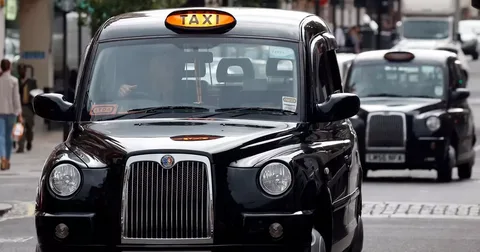
Street hailing remains common in city centres, though it comes with limitations. Licensed black cabs can be hailed anywhere in London, but the same doesn't apply to private hire vehicles, which must be pre-booked by law. This distinction often confuses tourists and residents alike.
Pre-booking is strongly recommended for time-sensitive journeys. Airport Taxi Transfers require particular attention to scheduling, as flight delays and traffic conditions can wreak havoc with tight timings. Most professional services now monitor flight arrivals automatically, adjusting pickup times accordingly.
Understanding UK Taxi Licensing
The licensing system in Britain can seem unnecessarily complicated at first glance. Hackney carriages (traditional taxis) and private hire vehicles operate under different regulations, though both require proper licensing. Hackney carriages can pick up passengers without pre-booking, whilst private hire vehicles cannot – a rule that's enforced more strictly than many realize.
Local councils issue licenses rather than a single national body, meaning standards can vary between regions. What's acceptable in one town might not be in another. Your driver should display their badge prominently, and the vehicle licence plate should be clearly visible.
Regional Considerations and Local Routes
Different areas of the UK present unique challenges and opportunities when it comes to taxi services. Manchester, for instance, has seen tremendous growth in both traditional and app-based services. Routes like Taxi from Stalybridge to Manchester city centre have become increasingly competitive, with multiple operators vying for regular commuters.
Popular routes often receive better service levels simply due to demand. The journey Chorlton to Manchester Airport, for example, is so frequently requested that most local firms have drivers who know every shortcut and potential delay point along the way. This local knowledge proves invaluable during rush hour or when roadworks appear unexpectedly.
What to Look For in Your Driver
Professional drivers distinguish themselves through more than just navigation skills. They understand that passengers value comfort, safety, and discretion above all else. A good driver will adjust the radio volume without being asked, keep the vehicle clean, and respect your preference for conversation or silence.
Experience counts enormously, particularly for complex journeys or during adverse weather. Drivers who've worked the same patch for years develop an intuitive understanding of traffic patterns that no GPS can replicate.
Safety Should Never Be Compromised
Your safety begins before you even get into the taxi. Always verify that the vehicle matches the booking details sent to your phone. Check the registration number, and don't hesitate to ask the driver to confirm your name before departing.
Seatbelts should be worn throughout your journey, regardless of the distance. It's a legal requirement and basic common sense. If something feels wrong about the driver or vehicle, trust your instincts and find alternative transport.
Making the Most of Your Service
Regular passengers often develop relationships with preferred drivers or firms, leading to better service and sometimes preferential rates. Don't be shy about requesting specific drivers if you've had particularly good experiences – most companies accommodate such requests when possible.
Feedback matters more than most passengers realize. Whether positive or negative, sharing your experience helps maintain service standards across the industry. Companies genuinely want to know when things go wrong, as it affects their reputation and licensing.
The British taxi industry continues evolving, balancing tradition with innovation whilst maintaining the reliability that passengers depend upon daily.

 Arabic
 French
 Spanish
 Portuguese
 Deutsch
 Turkish
 Dutch
Dutch
 Italiano
 Russian
 Romaian
 Portuguese (Brazil)
 Tiếng Việt