


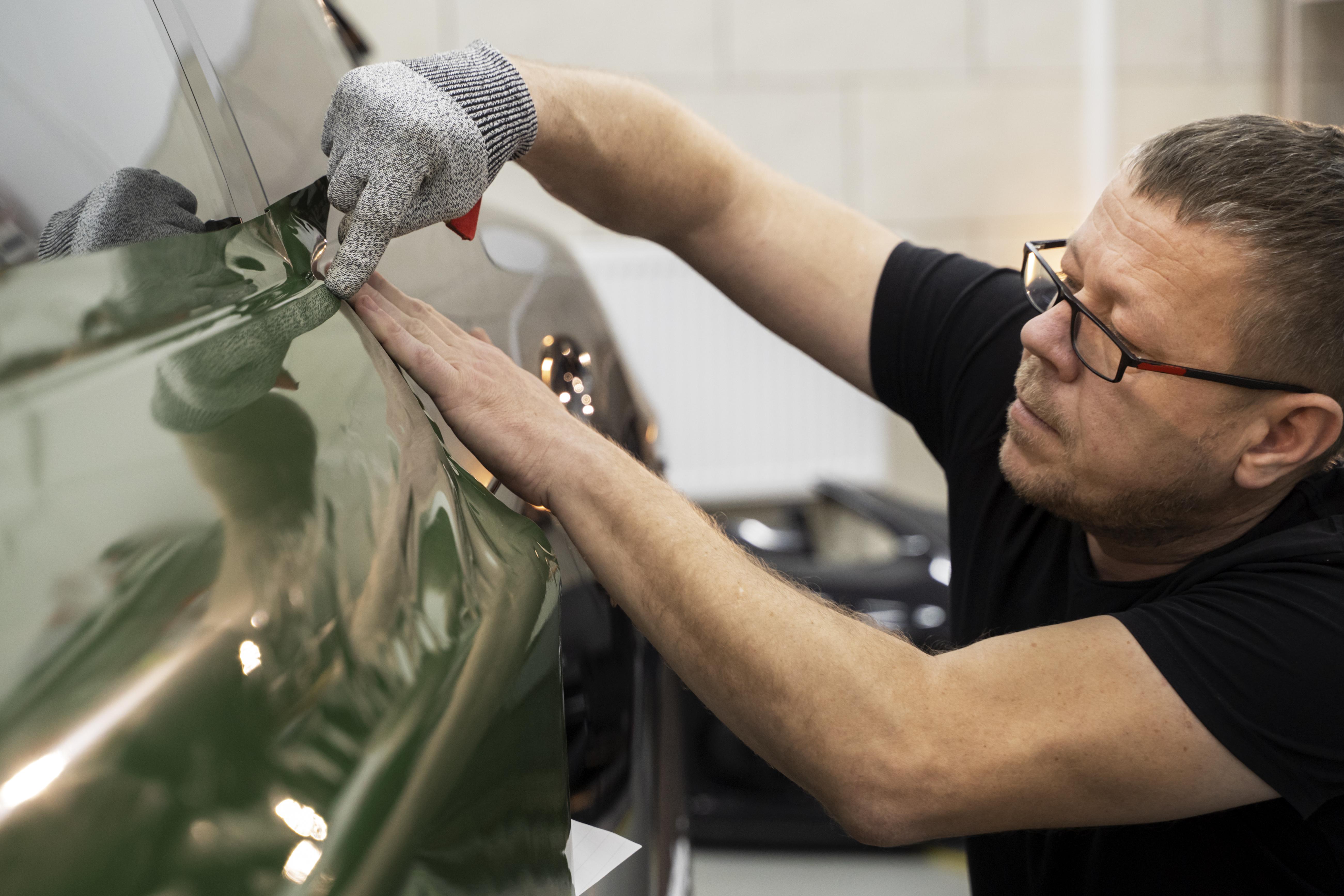
When it comes to preserving your vehicle’s finish, Clear paint protection film (PPF) has become the go-to solution for car owners who want lasting protection without compromising appearance. Despite its popularity, there are still many misconceptions surrounding PPF — especially about paint yellowing. Many drivers hesitate to install it due to outdated myths and misinformation. This article aims to debunk the most common myths about paint yellowing under PPF and provide a clear understanding of how modern technology keeps your vehicle looking flawless for years.
Myth 1: All Paint Protection Films Turn Yellow Over Time
In the early days of PPF, yellowing was indeed a problem. Early polyurethane-based films lacked UV inhibitors, causing them to oxidize and discolor when exposed to sunlight. However, this issue belongs to the past. Today’s high-quality PPFs are engineered using advanced, non-yellowing polymers and UV-resistant coatings. These films are tested rigorously to ensure optical clarity even under extreme heat and sunlight exposure.
Premium brands now include self-healing top layers that resist oxidation, meaning the film stays crystal clear and transparent. As a result, modern PPF not only protects your car’s paint but also enhances its gloss without fading or yellowing.
Myth 2: Yellowing Happens Because of the Film Material
Another widespread misconception is that the film material itself causes yellowing. In reality, it’s not the polyurethane or elastomeric structure that discolors — it’s often the adhesive layer underneath. Low-quality adhesives react with UV rays and environmental contaminants, leading to the appearance of yellowing over time.
To counter this, reputable manufacturers now use optically clear adhesives designed for long-term UV exposure. These adhesives prevent oxidation and maintain perfect transparency, ensuring that your car’s color remains unchanged. Always choose a PPF product with proven UV-resistant adhesives if long-term clarity is your priority.
Myth 3: Paint Yellowing Comes from the Film Trapping Heat
Some believe that PPF traps heat on the car’s surface, causing the paint underneath to yellow. In truth, paint discoloration due to heat is extremely rare. High-quality paint protection films are designed with thermal stability in mind, allowing heat to dissipate naturally. Modern films feature microscopic channels that promote airflow and heat release, ensuring that your paint remains cool even under direct sunlight.
Additionally, PPF acts as a UV barrier, shielding the paint from harmful radiation that could otherwise cause fading or oxidation. Far from trapping heat, it actually extends the lifespan of the car’s finish.
Myth 4: Environmental Factors Always Cause Yellowing
While exposure to pollutants, road grime, and acid rain can damage unprotected paint, a properly installed PPF prevents these contaminants from reaching the surface. Yellowing occurs only when low-quality films absorb impurities or when the film’s top coat degrades over time.
Professional-grade PPFs feature hydrophobic coatings that repel dirt, oil, and water. This self-cleaning ability keeps both the film and paint surface free from staining agents. When maintained with appropriate cleaning products, these films maintain their transparency for years, even in harsh environments.
Myth 5: Paint Yellowing Means the PPF Failed
If your paint shows discoloration under PPF, it doesn’t necessarily mean the film failed. Sometimes, improper surface preparation before installation can lead to trapped contaminants or residues that later oxidize. This oxidation can appear as yellowing beneath the film but originates from the paint layer itself.
That’s why professional installation is critical. Certified installers thoroughly clean and decontaminate the vehicle before applying PPF, ensuring no residues remain. They also use precise techniques to avoid air bubbles or moisture that could interfere with adhesion. With correct installation, the film and paint maintain a flawless bond that prevents yellowing.
Myth 6: PPF Maintenance Is Complicated
Many car owners assume that maintaining paint protection film is difficult or time-consuming. In reality, maintenance is straightforward. Regular washing with pH-balanced car shampoo and microfiber cloths keeps the surface clear of dirt. Avoiding harsh chemicals or abrasive pads ensures the film’s topcoat stays intact.
For additional protection, you can use film-safe ceramic coatings that add an extra layer of UV resistance and gloss. Routine care like this prevents discoloration, oxidation, and any chance of yellowing — while keeping the car’s surface looking freshly detailed.
Myth 7: All PPF Brands Offer the Same Protection
Not all PPFs are created equal. Cheaper films often cut corners on adhesive quality, UV inhibitors, or topcoat durability, which can result in faster yellowing or degradation. Premium brands undergo strict quality control, accelerated aging tests, and outdoor exposure trials to guarantee long-term optical clarity.
Choosing a reputable installer and brand is essential. Always look for films that come with clear manufacturer warranties covering discoloration or yellowing. The right product will remain nearly invisible on your vehicle for years, ensuring your paint remains protected and beautiful.
Conclusion: Modern PPF Keeps Your Paint Clear and Protected
The myth of paint yellowing under PPF persists mostly because of outdated information. Thanks to advancements in film chemistry, adhesive technology, and UV resistance, yellowing is no longer a concern for modern car owners. When you invest in high-quality Clear paint protection film, installed by certified professionals, you’re not only preserving your vehicle’s factory finish but also enhancing its value and appearance.
Proper installation, maintenance, and product selection ensure that your car’s paint remains as vibrant and glossy as the day it rolled out of the showroom. Forget the myths — today’s PPF delivers true, long-lasting protection without compromise.

 English
 Arabic
 French
 Spanish
 Portuguese
 Deutsch
 Turkish
 Italiano
 Russian
 Romaian
 Portuguese (Brazil)
 Tiếng Việt