


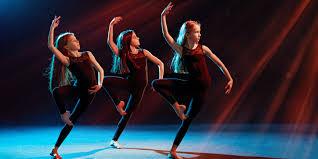
Over the past few years, I’ve noticed a shift in the way people approach dance and fitness. It’s no longer enough to stick to a single style—ballet, hip-hop, or jazz. Cross-training has become the new standard, and I’ve experienced it firsthand. Mixing styles not only challenges the body but also keeps the mind engaged, making movement more exciting and effective.
For me, cross-training started as a curiosity. I was primarily a ballet enthusiast, but I began exploring hip-hop classes on the side. What I discovered surprised me: combining different dance styles improved my balance, flexibility, and rhythm in ways I didn’t expect. The practice feels both refreshing and rewarding, and it’s a trend that more adults are embracing in 2025.
The Problem: Monotony in Traditional Training
If I reflect on my early dance routines, sticking to one style often led to stagnation. Ballet, for example, is incredible for posture and control, but performing the same movements repeatedly can feel limiting. Similarly, focusing solely on hip-hop builds rhythm and stamina but may neglect other aspects like flexibility and core strength.
Many dancers and fitness enthusiasts I know felt the same frustration—they wanted a solution that could challenge their bodies while keeping classes interesting. This need for variety sparked the rise of cross-training.
Cross-training addresses this problem by combining the best elements of different styles. For instance:
-
Ballet strengthens posture, balance, and precision.
-
Hip-hop builds stamina, rhythm, and expressive movement.
-
Jazz and contemporary enhance versatility and coordination.
By integrating these styles, adults can avoid monotony while experiencing holistic physical development.
The Awakening: How Cross-Training Improves Performance
When I first tried blending dance styles, the results were noticeable almost immediately. My body became more adaptable, my movements smoother, and my endurance improved. Cross-training challenges multiple muscle groups, improves cardiovascular health, and encourages flexibility.
From a mental perspective, it’s just as powerful. Trying new styles forces me to stay present and focus on learning rather than repeating routines. There’s a satisfying feeling that comes from mastering a movement that initially felt impossible.
Cross-training also reflects a broader trend in wellness culture: seeking activities that offer both enjoyment and measurable benefits. People are no longer content with single-discipline routines—they want versatility. In many ways, it mirrors lifestyle habits outside of fitness, such as enjoying moments of calm with custard monster blueberry salt—a simple, mindful pleasure that complements an active lifestyle.
The Appeal: Variety, Growth, and Community
One of the main reasons cross-training has taken off is the variety it offers. No two classes feel exactly the same, and that keeps people motivated. For me, moving between ballet and hip-hop in a single week makes the week feel more dynamic and engaging.
Community also plays a huge role. Cross-training classes attract people with different skills and backgrounds, creating a supportive environment where everyone learns from one another. This shared growth is inspiring and keeps me coming back.
Here’s why I think cross-training resonates so strongly today:
-
Dynamic Workouts: Constantly switching styles keeps the body and mind challenged.
-
Skill Development: Different techniques complement one another and improve overall performance.
-
Social Interaction: Meeting people from various dance backgrounds builds connections.
-
Mindfulness: Focusing on multiple styles improves concentration and body awareness.
The combination of personal growth and community engagement creates a holistic experience. It’s less about perfection and more about exploration, learning, and having fun.
The Growth: Why 2025 Is the Year of Cross-Training
2025 has seen an explosion in cross-training programs across cities and online platforms. Studios are offering hybrid classes that combine styles, and virtual sessions allow adults to try multiple formats without leaving home.
The flexibility of cross-training also makes it more accessible. People of different ages and fitness levels can participate, as classes often allow students to adapt movements to their comfort. This inclusivity is a major reason the trend has become widespread.
I’ve noticed that cross-training also aligns with broader lifestyle trends—people are interested in experiences that blend creativity, wellness, and fun. Just as some adults explore flavors with salt e liquid, dance enthusiasts explore styles that suit their energy, mood, or fitness goals. The principle is the same: variety enhances enjoyment and engagement.
The Psychology Behind Cross-Training
What excites me most about cross-training is its impact on the mind. Learning multiple styles stimulates neuroplasticity—the brain’s ability to form new connections. This mental challenge keeps me sharp and attentive during classes, while also boosting self-confidence as I see steady improvement.
The sense of accomplishment is compounded when mastering movements across different styles. Ballet teaches precision and control, hip-hop fosters rhythm and spontaneity, and contemporary encourages self-expression. Combining these lessons encourages creative thinking and emotional awareness.
Cross-training also encourages a mindset of resilience and adaptability. Each new movement is a small challenge, and overcoming it creates confidence that extends beyond the studio. This mirrors other lifestyle habits that foster self-awareness and enjoyment, like experimenting with custard monster vape juice to find personal favorites. It’s about exploring options, learning preferences, and celebrating small wins.
Practical Tips for Starting Cross-Training
If you’re thinking of trying cross-training, here’s what I’ve learned from my own experience:
-
Start with One New Style: Don’t overwhelm yourself; integrate one additional style at a time.
-
Schedule Variety: Alternate between styles during the week to allow recovery.
-
Focus on Fundamentals: Build a foundation in each style to improve overall performance.
-
Stay Consistent: Regular practice enhances coordination and stamina.
-
Engage with Community: Classes with diverse participants encourage learning and motivation.
Even small steps can make a noticeable difference. Over time, the combination of physical training, mental focus, and social engagement adds up.
The Future of Dance and Cross-Training
I believe cross-training is here to stay. It reflects the broader cultural shift toward holistic wellness—activities that engage mind, body, and social connection simultaneously. Studios are adapting, offering flexible programs that appeal to adults of all skill levels.
Cross-training also emphasizes lifelong learning. There’s no age limit to trying new styles or exploring creative movement. This makes it an ideal activity for adults looking to enhance fitness, improve mental clarity, and enjoy social interaction.
In many ways, cross-training mirrors lifestyle trends in other areas: people are exploring their preferences, seeking variety, and integrating activities that bring both joy and purpose. Enjoying custard monster flavors while relaxing after a session is just one example of how small, mindful choices enhance well-being and lifestyle satisfaction.
Embracing Movement in Every Form
In the end, cross-training offers a simple but powerful message: variety is strength. By blending ballet, hip-hop, and other styles, adults can improve physical fitness, develop confidence, and enjoy a vibrant community.
For me, the journey from ballet to hip-hop has been enlightening. It’s taught me patience, adaptability, and the joy of exploring new possibilities. Whether you’re a complete beginner or a seasoned dancer, cross-training encourages curiosity, growth, and balance.
Trying multiple styles might feel challenging at first, but it’s worth it. Not only will you see physical improvements, but you’ll also experience the mental clarity, joy, and confidence that comes from embracing movement in every form. And like any good lifestyle habit, it pairs well with small pleasures, like savoring custard monster blueberry salt in between sessions—a reminder that wellness is about balance, variety, and enjoyment.

 English
 Arabic
 Spanish
 Portuguese
 Deutsch
 Turkish
 Dutch
Dutch
 Italiano
 Russian
 Romaian
 Portuguese (Brazil)
 Tiếng Việt