


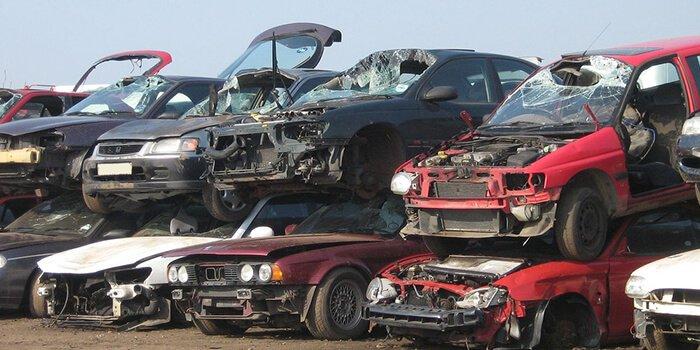
Every car has a life cycle. It begins shiny and new, but after years of driving, wearing, and repairs, even the most reliable vehicles reach a point where they are no longer worth keeping. Across Sydney, many old cars sit unused in garages or driveways, gathering dust. Others end up in landfills, creating unnecessary waste and harming the environment.
Thankfully, that pattern is changing. Car recycling has become a major part of Sydney's waste management system, and unwanted car buyers are leading the way. These buyers not only take in old and damaged vehicles but also make sure they are reused or recycled responsibly. Their work helps protect the environment, saves energy, and supports local industries.
This guide explains how these buyers play a key role in reducing car waste, what happens when your car gets recycled, and how you can contribute to a cleaner, greener Sydney.
1. Why Old Cars Create a Big Waste Problem
When a car reaches the end of its useful life, it becomes what is known as an “end-of-life vehicle.” These cars contain large amounts of steel, rubber, plastic, and fluids such as oil and coolant. If they are left to rust in open spaces or dumped in landfills, they release harmful substances into the soil and water.
Each abandoned vehicle can pollute the ground with heavy metals and chemicals. In fact, environmental studies show that one liter of engine oil can contaminate up to one million liters of water. With Sydney's large population and high car ownership rate, improper disposal can quickly become an environmental hazard.
This is why recycling and responsible car removal have become so important. By sending vehicles to proper facilities through a licensed Car Removal Sydney service, owners can prevent pollution and support a cycle that turns waste into reusable materials.
2. How Unwanted Car Buyers Work
Unwanted car buyers purchase vehicles that are no longer in use. They deal with cars that are damaged, old, unregistered, or written off after accidents. The main goal is not to resell the entire car but to recover its useful parts and materials.
When someone contacts a buyer, they typically provide details such as the make, model, year, and condition of their car. The buyer then offers a quote based on what can be reused or recycled. Once agreed, they arrange for collection and handle all paperwork.
This process saves owners time while ensuring the vehicle is disposed of responsibly. It also guarantees that most parts of the car will be repurposed rather than wasted.
3. The Journey of an Unwanted Car
After the car is collected, it begins its recycling journey. The process is detailed and carefully managed to extract maximum use from every component.
Step 1: Draining and cleaning
Before dismantling begins, all fluids such as fuel, oil, and brake fluid are drained. These are either filtered for reuse or disposed of following environmental safety standards.
Step 2: Removing valuable parts
Parts that are still functional—like engines, alternators, radiators, and tyres—are removed, cleaned, and sold as used spare parts. These components can help other vehicles stay on the road longer and save resources needed for new production.
Step 3: Dismantling and sorting materials
Once reusable parts are taken out, the car’s body is stripped of wiring, seats, and plastic components. Materials like copper, aluminium, and steel are separated for recycling.
Step 4: Crushing and recycling metal
The metal frame is crushed and sent to a recycling plant where it is melted down and reused in manufacturing. This recycled metal often becomes part of new cars, buildings, or even household products.
4. How This Process Helps the Environment
Recycling old cars is not only about cleaning up space. It also has a major impact on reducing pollution and conserving energy.
-
Prevents landfill buildup: Old vehicles take up large spaces in dumps and release chemicals as they decay. Recycling keeps them out of landfills.
-
Saves natural resources: Steel and aluminium from scrap cars reduce the need for mining new materials, protecting natural landscapes and reducing energy use.
-
Reduces air pollution: Manufacturing metal from recycled materials uses far less energy and produces fewer greenhouse gases compared to producing it from raw ore.
-
Protects waterways: By safely removing fluids and chemicals, the recycling process stops from leaking toxins into Sydney's rivers and soil.
This chain of actions ensures that even when a car stops running, it continues to serve a useful purpose through recycling.
5. The Economic Side of Car Recycling
The car recycling industry supports a large number of jobs across Sydney and the wider Australian market. Mechanics, transport operators, dismantlers, and metalworkers all play important roles in this cycle.
Each recycled vehicle contributes raw materials to different industries—construction, metalworks, and manufacturing. This reduces relying on imported metals and strengthens local production. It also gives car owners a way to earn from vehicles that would otherwise be considered worthless.
Selling old cars for recycling is not just an environmental act; it is also part of a circular economy that keeps materials circulating within local systems rather than going to waste.
6. How Recycled Parts Support Other Drivers
One of the most valuable outcomes of car recycling is the reuse of second-hand parts. Many Sydney drivers rely on used car parts as a more sustainable and affordable option for repairs.
Parts such as engines, transmissions, mirrors, and lights often have plenty of life left even when the car as a whole is no longer usable. By making these parts available, unwanted car buyers help keep other vehicles running longer and reduce the demand for new manufacturing.
This reuse cycle cuts waste, lowers costs for drivers, and reduces the strain on the environment.
7. Legal and Environmental Standards in Sydney
Car recycling and disposal in New South Wales are strictly regulated. Licensed buyers must follow rules set by environmental agencies to ensure that waste materials are handled correctly.
Fluids and batteries are treated as hazardous waste and must be processed in facilities designed for safe disposal. Likewise, metal recycling plants must meet environmental performance standards to limit air and water pollution.
By choosing a licensed car buyer, you can be sure that your vehicle is handled under these standards and that all recyclable materials are properly recovered.
Turn your unwanted vehicle into instant cash while helping the environment through responsible car removal in Sydney. https://nswautowrecker.com.au/
8. How You Can Contribute
If you have an unwanted car sitting around, there is no need to let it deteriorate. You can take a simple step towards sustainability by selling it for recycling.
Start by checking that the buyer is licensed and reputable. Prepare basic details about your car, including its make, year, and registration status. Once you accept an offer, the car will be collected and taken for recycling, saving you space and helping the environment at the same time.
You do not need to clean or repair it before sale—buyers accept vehicles in all conditions because their value lies in materials and parts rather than appearance.
9. Interesting Facts About Car Recycling
-
Nearly 90 per cent of a car's components can be reused or recycled.
-
Recycling one tonne of steel saves more than 1,000 kilograms of iron ore.
-
Australia recycles over 500,000 end-of-life vehicles every year.
-
The process of reusing metal from scrap cars cuts energy use by up to 70 per cent compared to mining new ore.
These figures highlight just how much impact recycling can have when done at scale.
10. The Future of Car Recycling in Sydney
The recycling industry is growing as Sydney focuses on reducing waste and carbon emissions. With electric vehicles becoming more common, recycling processes are also adapted to handle batteries and specialized materials safely.
Unwanted car buyers are expected to continue playing a major role in this shift. They bridge the gap between individual car owners and recycling facilities, ensuring that no vehicle ends up as waste when it can be repurposed.
As awareness grows, more Sydney residents are choosing to recycle their cars rather than leave them unused, supporting a cleaner and more sustainable future.
Final Thoughts
Unwanted car buyers are not just collecting old vehicles—they are helping Sydney move towards a circular and environmentally responsible economy. By recycling metal, reusing parts, and safely handling waste, they keep valuable materials in use and protect the planet from further harm.
When you hand over your old car, you are doing more than clearing space—you are contributing to a process that gives new life to old materials and supports local industries. It is a small action that makes a large difference to both the environment and the community.

 English
 Arabic
 French
 Spanish
 Portuguese
 Deutsch
 Turkish
 Italiano
 Russian
 Romaian
 Portuguese (Brazil)
 Tiếng Việt