


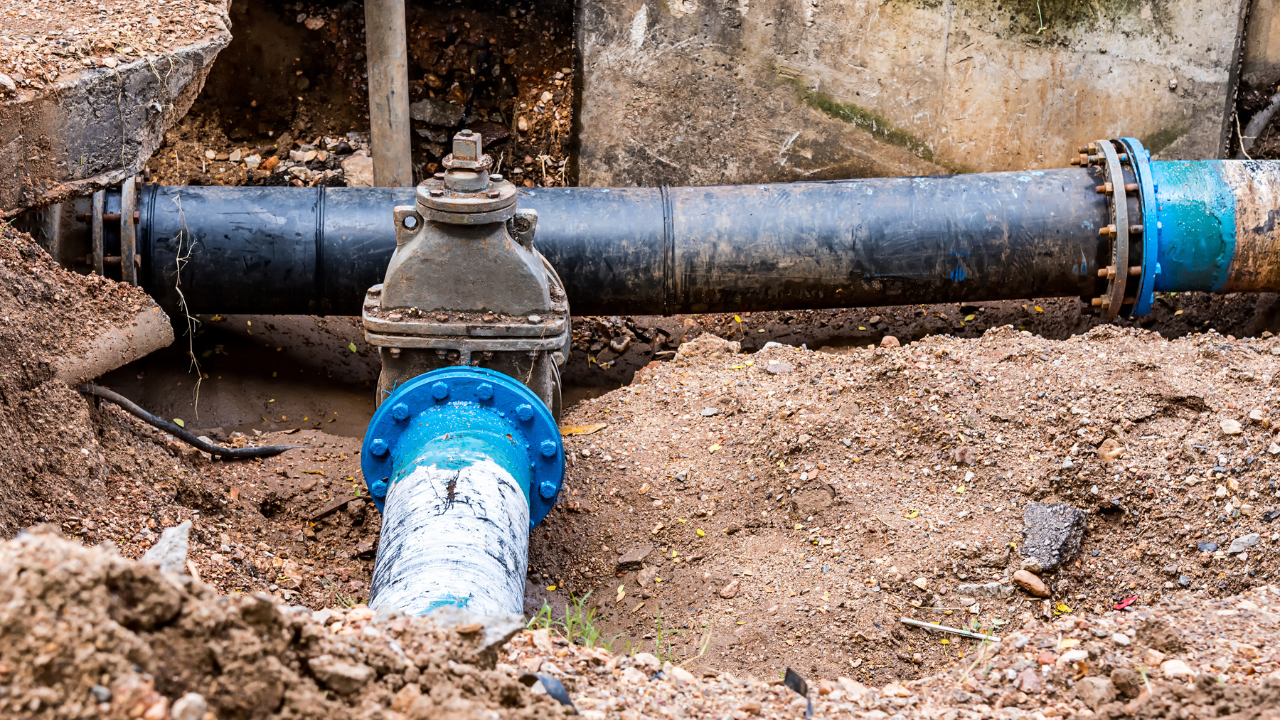
When it comes to choosing the right pipe for your home’s water line, safety, durability, and efficiency are key. However, not all pipes are created equal. Some materials that were once popular have proven to be unsafe or unreliable over time. In this blog, we’ll explore what types of pipes are not recommended for water lines, why they fail, and what alternatives work better today.
If you’re experiencing leaks or corrosion in your water system, a trenchless pipe repair solution from NuFlow DFW might be exactly what you need. This modern method restores old pipes without major digging, saving both time and cost.
Why Pipe Material Matters
The material of your water line affects water quality, flow rate, and lifespan. Poor materials can cause leaks, rust, and even health issues. Over time, older pipes degrade due to corrosion or pressure changes. Using outdated or low-quality materials often leads to recurring repairs and water contamination.
Choosing the wrong type of pipe can result in:
-
Contaminated drinking water
-
Frequent leaks and bursts
-
Reduced water pressure
-
Expensive maintenance costs
That’s why professional guidance from experts like NuFlow DFW, who specialize in trenchless pipe repair, is crucial when upgrading or replacing old pipes.
1. Lead Pipes – A Serious Health Hazard
Lead pipes were once the go-to option for plumbing due to their flexibility and durability. However, they are now banned in most regions because of severe health risks. Lead can leach into drinking water, leading to poisoning, especially dangerous for children and pregnant women.
Even a small amount of lead exposure can cause long-term health problems like kidney damage and developmental issues.
Why Avoid Them:
-
Highly toxic
-
Corrode over time
-
Cause contamination in drinking water
If your home was built before the 1980s, it’s worth having your pipes inspected. If lead is found, NuFlow DFW can help replace or restore them using safe trenchless pipe repair techniques without tearing up your property.
2. Galvanized Steel Pipes – Rust and Corrosion
Galvanized steel pipes were widely used in homes built before the 1960s. They are made by coating steel with zinc to prevent rust. However, over time, that zinc layer erodes, exposing the steel to moisture. The result? Rust buildup, corrosion, and reduced water flow.
As the inside of the pipe corrodes, water pressure drops, and rust particles contaminate your water. This not only affects your health but also damages fixtures and appliances.
Why Avoid Them:
-
Prone to rust and corrosion
-
Cause low water pressure
-
Can leak or burst under pressure
Homeowners looking to replace these should consider PVC or PEX pipes. Or, if you want a non-invasive solution, NuFlow DFW’s trenchless pipe repair can reline these pipes internally, creating a seamless, corrosion-resistant barrier.
3. Polybutylene Pipes – Prone to Cracking
In the 1970s and 1980s, polybutylene pipes were marketed as a cheap and easy-to-install alternative to copper. However, after years of use, they proved to be highly unreliable.
These pipes react with chlorine and other chemicals commonly found in public water supplies, which causes them to become brittle and eventually crack.
Why Avoid Them:
-
Poor chemical resistance
-
Prone to leaks and bursts
-
Short lifespan
Many insurance companies refuse to cover homes with polybutylene pipes due to the high risk of failure. If you have them, replacing them with modern options like PEX or HDPE is recommended.
For those who prefer to avoid major construction, NuFlow DFW provides trenchless pipe repair services to strengthen and restore aging systems efficiently.
4. Cast Iron Pipes – Durable but Problematic
Cast iron pipes were once considered the gold standard for plumbing due to their strength and durability. However, they come with their own set of problems. Over time, cast iron corrodes internally, causing blockages, leaks, and foul odors.
In underground or sewer applications, corrosion can be accelerated by soil acidity and moisture.
Why Avoid Them for Water Lines:
-
Heavy and difficult to install
-
Corrode and rust from the inside
-
Cause water discoloration
Instead, opt for lightweight, corrosion-resistant materials like PVC or copper for water lines. And if your home already has cast iron, NuFlow DFW’s trenchless repair can reline these pipes without excavation, extending their lifespan dramatically.
5. Asbestos Cement Pipes – Unsafe and Outdated
Asbestos cement pipes were once used for water distribution systems due to their durability and affordability. However, they are no longer recommended or used because asbestos fibers can pose serious health risks if released.
When these pipes age, crack, or break, asbestos particles can enter the water supply or surrounding soil, creating major health and environmental concerns.
Why Avoid Them:
-
Health hazard due to asbestos exposure
-
Brittle and prone to cracking
-
Difficult to dispose of safely
Homeowners should consider professional inspection and replacement if these pipes are still in use. nuflow dfw specializes in replacing such hazardous systems using modern, safe trenchless pipe repair technology.
Modern Alternatives You Should Choose
To ensure your water system is durable and safe, choose materials like:
-
Copper: Long-lasting, corrosion-resistant, and safe for potable water.
-
PEX (Cross-linked Polyethylene): Flexible, easy to install, and resistant to scale buildup.
-
HDPE (High-Density Polyethylene): Excellent for underground installations due to its flexibility and resistance to corrosion.
-
PVC (Polyvinyl Chloride): Lightweight and affordable, ideal for cold water applications.
These modern options provide reliability, clean water flow, and longevity—reducing the need for frequent maintenance or costly replacements.
The Role of Trenchless Pipe Repair
If you already have old or damaged pipes underground, trenchless pipe repair is the perfect modern solution. Instead of digging trenches and replacing entire pipe networks, this method involves creating a new pipe lining inside the existing one.
Benefits of Trenchless Pipe Repair:
-
No major digging or property damage
-
Fast installation time
-
Cost-effective
-
Long-lasting results (up to 50 years or more)
NuFlow DFW specializes in this advanced technique, helping homeowners and businesses restore their plumbing systems efficiently and safely.
Conclusion
Knowing which pipe materials to avoid can save you from future plumbing disasters. Lead, galvanized steel, polybutylene, cast iron, and asbestos cement pipes all pose risks—from contamination to corrosion and costly leaks.
Modern materials like PEX, PVC, and HDPE are safer, more reliable choices. And if you want to repair or replace old pipes without destroying your property, trenchless pipe repair from NuFlow DFW offers the best solution.

 English
 Arabic
 French
 Spanish
 Portuguese
 Turkish
 Dutch
Dutch
 Italiano
 Russian
 Romaian
 Portuguese (Brazil)
 Tiếng Việt