


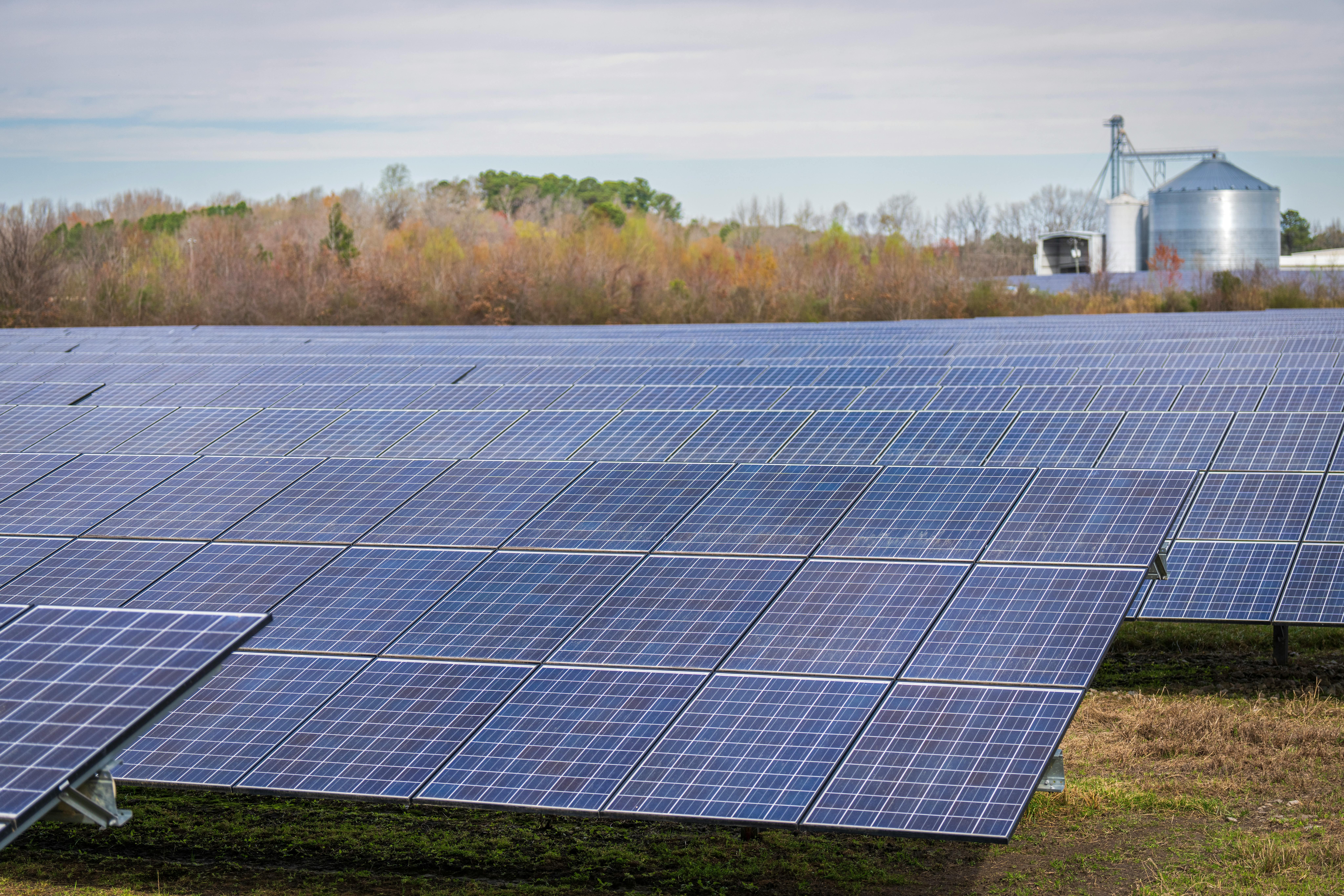
Understanding the True Value of Solar Energy in Perth
The demand for solar in Perth WA has never been higher. With rising electricity costs and increasing awareness of environmental sustainability, homeowners and businesses across Western Australia are investing heavily in solar energy systems. But one key question remains: how long does it take to break even after installing solar panels in Perth? To answer this, it’s essential to look at the factors that affect installation costs, energy savings, government incentives, and long-term returns.
Initial Costs of Solar Panel Installation in Perth
Solar installation costs in Perth vary depending on the size of the system, the brand of panels, inverter quality, and installation complexity. On average, a standard 6.6 kW residential system in Perth costs between $4,000 and $7,000 after government rebates. Commercial installations can range much higher, depending on energy needs and roof space.
The initial investment covers panels, inverters, mounting systems, and professional installation. While this may seem substantial upfront, Perth’s high solar irradiance — an average of over 5.8 peak sun hours per day — ensures maximum energy generation and faster returns.
How Solar Savings Work in Perth
Solar panels in Perth reduce electricity bills by converting sunlight into usable energy, offsetting grid consumption. During daylight hours, your home draws power directly from the solar system, minimizing reliance on the utility grid. Excess power can be exported back to the grid under Western Australia’s feed-in tariff scheme, allowing you to earn credits on your bill.
If your household uses most of its electricity during the day, your self-consumption rate increases, leading to faster payback. For example, a household consuming 70% of its solar energy can save approximately $1,200–$1,600 annually, depending on energy usage patterns and tariff rates.
Typical Payback Period for Solar in Perth
The average payback period for solar panels in Perth ranges between 3 to 6 years. This depends on several key factors:
-
System Size and Cost: Larger systems cost more but produce more energy, offering quicker returns if consumption matches output.
-
Electricity Prices: As utility rates continue to rise in Western Australia, your savings grow proportionally.
-
Feed-in Tariffs: While lower than in past years, current tariffs still provide steady returns for exported energy.
-
Energy Usage Patterns: Homes using power during daylight hours benefit the most, reducing grid reliance.
-
Quality of Equipment: High-efficiency panels and reputable installers ensure better performance and durability.
After the break-even period, the electricity your solar system generates is essentially free, significantly reducing long-term utility expenses.
Government Incentives and Rebates for Perth Solar Systems
One of the biggest financial advantages for solar buyers in Perth comes from federal renewable energy incentives. Under the Small-scale Renewable Energy Scheme (SRES), homeowners receive Small-scale Technology Certificates (STCs) that reduce the upfront cost of a new solar installation.
The number of STCs you receive depends on your system’s capacity and location. Perth, being in a high-sunshine zone, typically qualifies for a generous number of certificates, making solar more affordable and accelerating your return on investment.
Factors That Influence Your Solar Payback Period
1. Solar System Efficiency
High-quality panels, such as monocrystalline types, generate more electricity per square meter. Although these come with a higher price tag, they shorten your payback time through greater energy output.
2. Energy Consumption Habits
Households that use major appliances during sunlight hours benefit most from solar systems. Scheduling washing machines, dishwashers, and air conditioning during the day can significantly improve self-consumption rates.
3. Maintenance and System Lifespan
Regular cleaning and professional inspections maintain performance levels and prevent output loss. Most modern panels come with 25-year performance warranties, ensuring consistent savings for decades.
4. Roof Orientation and Shading
A north-facing roof with minimal shading ensures optimal solar energy production. Even small shading issues can reduce performance, so proper system design is vital for achieving faster returns.
Realistic Example of Solar ROI in Perth
Let’s consider a 6.6 kW solar system costing $5,500 after rebates. With an average saving of $1,300 per year, the break-even point would be reached in roughly 4.2 years. Beyond that, the system continues to generate free electricity for another 20+ years, potentially saving over $25,000 in total lifetime energy costs. This makes solar one of the most profitable long-term investments for Perth residents.
Why Solar in Perth Is a Smart Financial Decision
Perth’s climate and sunlight exposure make it one of the best regions in Australia for solar energy generation. The combination of government rebates, low installation costs, and consistently high output means residents enjoy some of the fastest solar payback periods in the country.
Moreover, solar power adds tangible value to your property, enhances energy independence, and contributes to a cleaner environment. For both homeowners and business owners, the decision to go solar isn’t just about sustainability — it’s about long-term financial stability.
Conclusion: Solar Payback in Perth Is Quicker Than Ever
When you consider Perth’s abundant sunshine, competitive installation rates, and available rebates, the break-even period for solar systems is impressively short — often under five years. From that point onward, every ray of sunlight is pure profit.
Whether you’re upgrading your home or business, investing in solar in Perth WA is not only a smart environmental choice but also one of the most financially rewarding decisions for the future.

 English
 Arabic
 French
 Spanish
 Deutsch
 Turkish
 Dutch
Dutch
 Italiano
 Russian
 Romaian
 Portuguese (Brazil)
 Tiếng Việt