


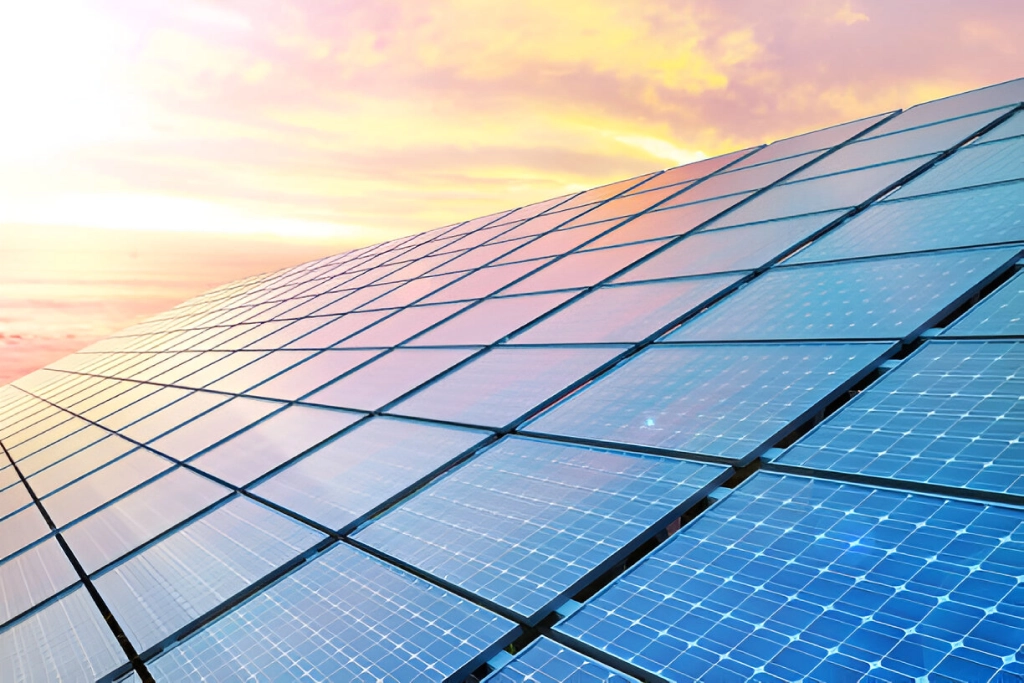
India is taking strong steps toward using more clean and renewable energy, and solar power is at the center of this change. One of the most popular government schemes supporting this goal is the pm surya ghar assam. This initiative helps families install solar panels on their rooftops to generate their own electricity and reduce their monthly power bills.
The pm surya ghar assam program is bringing this opportunity to both rural and urban families in Assam. It not only reduces electricity costs but also supports environmental sustainability. In this article, we’ll go through the step-by-step process for applying to this scheme, along with details about its benefits, eligibility, and required documents.
What is PM Surya Ghar Yojana?
The PM Surya Ghar Yojana, also known as PM Surya Ghar: Muft Bijli Yojana, is a central government initiative aimed at promoting the use of solar energy in residential households. It provides subsidies to homeowners who install rooftop solar systems.
In Assam, the pm surya ghar assam scheme is implemented through the Assam Energy Development Agency (AEDA) and local electricity distribution companies. The goal is to help families generate clean energy at home, reduce their electricity bills, and support the country’s renewable energy mission.
Key Benefits of PM Surya Ghar Assam
Free or Subsidized Power:
The scheme allows eligible households to enjoy up to 300 units of free electricity each month, depending on the capacity of their solar installation.
High Government Subsidy:
Homeowners can get up to 60% of the total installation cost as a subsidy from the government, making it very affordable.
Lower Power Bills:
Once solar panels are installed, households generate their own electricity, which significantly reduces their monthly power costs.
Eco-Friendly Energy:
Solar power produces no pollution, helping reduce carbon emissions and protecting the environment.
Durable and Low Maintenance:
Solar panels last for more than 20 years and need very little maintenance, offering long-term benefits with minimal effort.
Eligibility Criteria
To apply for the PM Surya Ghar Yojana in Assam, applicants must meet a few basic conditions:
The applicant must be an Indian citizen and a permanent resident of Assam.
The applicant should have a valid electricity connection registered in their name.
The applicant must own the rooftop or house where the solar panels will be installed.
The applicant should not have received a subsidy for any other solar scheme earlier.
Documents Required
-
Applicants need to keep the following documents ready before applying:
-
Aadhaar Card
-
PAN Card
-
Latest electricity bill
-
Proof of property ownership (like property tax receipt or sale deed)
-
Bank account details (for subsidy transfer)
-
Passport-size photographs
-
Step-by-Step Process for PM Surya Ghar Assam
Let’s understand the complete process to apply for and install a rooftop solar system under this scheme.
Step 1: Registration
Begin by registering for the PM Surya Ghar Yojana through the official online application platform. During registration, you will need to select Assam as your state, choose your electricity distribution company, and provide your basic details like mobile number, consumer number, and email address. Once registered, you will receive a user ID and password for further steps.
Step 2: Application Submission
After logging in, fill out the application form with your personal details, address, and the solar system capacity you plan to install (for example, 2 kW, 3 kW, or 5 kW). Upload all required documents carefully and check for any errors before submitting. Once submitted, your local DISCOM will verify the information provided.
Step 3: Technical Feasibility Check
The next step is the technical feasibility approval. Your electricity distribution company will review your application and may send a team to inspect your rooftop. They will ensure that your home and electrical setup are suitable for a solar installation. After a successful inspection, you will receive a Technical Feasibility Approval (TFA).
Step 4: Vendor Selection
Once you receive approval, you can select a registered vendor who is authorized by the DISCOM or the Assam Energy Development Agency. It is always advisable to choose an experienced and approved vendor who follows all technical standards and uses MNRE-certified panels and inverters. You may compare installation charges and service quality before finalizing your choice.
Step 5: Installation of the Solar System
After finalizing the vendor, they will start the installation process. This includes fixing the solar panels on your rooftop, setting up the inverter, and connecting the system with your home’s power supply. Installation generally takes one to two weeks depending on the weather and the system size.
Step 6: Net Metering Process
Once your solar system is installed, the next important step is to apply for a net meter through your local electricity company. A net meter helps measure both the electricity you consume and the excess power you send back to the grid. This process ensures that any extra energy generated by your panels is credited to your account, further reducing your bills.
Step 7: Final Inspection and Commissioning
After the net meter is installed, the DISCOM will carry out a final inspection of the entire solar setup. If everything meets the required standards, the system will be approved and officially connected to the electricity grid. You will then receive a commissioning certificate confirming that your rooftop solar system is active and ready to use.
Step 8: Subsidy Release
Once your solar system is successfully commissioned, the government subsidy amount will be credited directly to your bank account. The subsidy depends on the capacity of your solar system. Generally, up to 3 kW installations get a 60% subsidy, and larger systems between 3 kW to 10 kW get a 40% subsidy on the remaining portion.
Estimated Cost and Savings
The cost of setting up a solar system depends on its size. For example, installing a small 2 kW solar system can cost around ₹1.2 lakh before subsidy. After applying the subsidy, the effective cost may come down to nearly ₹45,000 to ₹50,000. A 3 kW system may cost around ₹1.8 lakh initially, but after the subsidy, it can come down to roughly ₹70,000 to ₹80,000.
Once installed, you can save between ₹1,500 and ₹4,000 per month on your electricity bills depending on your usage and system size. Over the years, the savings easily cover the installation cost, making it a smart and cost-effective choice.
Tips for a Smooth Process
Always choose vendors who are officially approved by MNRE and your local DISCOM.
Keep all application documents and payment receipts safe for future verification.
Make sure your rooftop receives enough sunlight throughout the day for maximum efficiency.
Clean your solar panels regularly to maintain performance.
Use solar monitoring apps to track daily power generation and system performance.
Conclusion
The PM Surya Ghar Assam scheme is a valuable opportunity for families to switch to renewable energy and enjoy long-term financial and environmental benefits. It provides a simple and transparent process that helps homeowners save money while contributing to a cleaner planet.
By following the steps outlined above, you can easily apply for the scheme, install solar panels, and start generating your own electricity at home.
If you are planning to set up a solar system and need expert guidance on installation, subsidy application, and maintenance, Solar Prabha can help you at every stage. With professional services and experience in solar energy projects, Solar Prabha makes the journey to clean energy easy and affordable for households across Assam.

 English
 Arabic
 French
 Spanish
 Portuguese
 Deutsch
 Turkish
 Dutch
Dutch
 Italiano
 Russian
 Romaian
 Tiếng Việt