


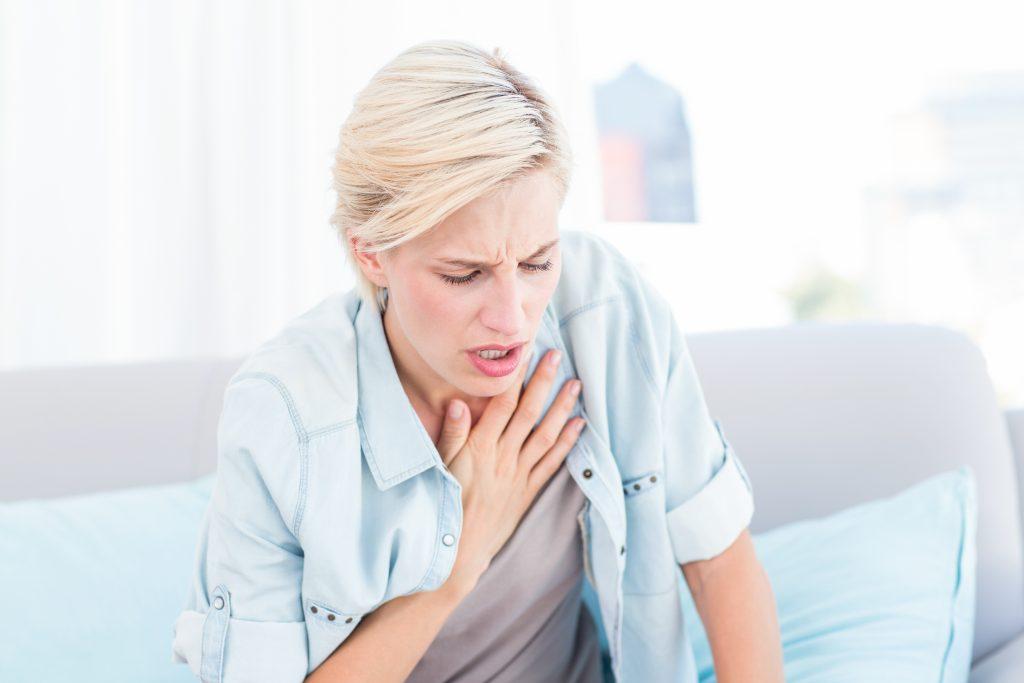
Breathing is something most of us take for granted—until it suddenly becomes hard to do. Many people experience difficulty in breathing after eating, which can be an uncomfortable and even worrying experience. If you’ve ever felt short of breath or like you couldn’t take a deep breath after a meal, you’re not alone. While it can happen for various harmless reasons like overeating or indigestion, sometimes it might point to an underlying health issue that needs attention.
In this article, we’ll explore the most common reasons for difficulty in breathing after eating, how to recognize the symptoms, and what you can do to feel better.
Understanding the Link Between Eating and Breathing Problems
Eating and breathing are two essential functions that share the same pathway in the throat. When you eat, your stomach expands, pushing upwards against the diaphragm — the main muscle that helps you breathe. This can make it harder for your lungs to fully expand, especially after large meals.
However, breathing difficulty after eating isn’t always caused by overeating. Sometimes, it can result from digestive issues, allergies, respiratory conditions, or even heart problems. Understanding what’s behind it is the first step toward finding relief.
1. Overeating and Stomach Pressure
One of the simplest explanations for difficulty in breathing after eating is overeating. When you eat more than your stomach can comfortably handle, it stretches and presses against the diaphragm. This pressure limits the diaphragm’s movement, making it harder for your lungs to expand fully.
Symptoms may include:
-
Feeling bloated or uncomfortably full
-
Burping or gas
-
Mild shortness of breath or chest tightness
Tip: Try eating smaller portions, chew your food slowly, and avoid lying down immediately after meals. Giving your stomach time to digest can help ease pressure on your lungs.
2. Acid Reflux (GERD)
Gastroesophageal reflux disease (GERD), commonly known as acid reflux, is a frequent cause of post-meal breathing issues. In GERD, stomach acid flows back into the esophagus, irritating it and causing a burning sensation in the chest (heartburn).
Sometimes, acid reflux can trigger a reflex that causes the airway to narrow, making breathing more difficult.
Common signs include:
-
Burning sensation in the chest after eating
-
Sour taste in the mouth
-
Hoarseness or throat irritation
-
Trouble breathing, especially when lying down
Tip: Avoid spicy, fatty, or citrus foods, which can worsen reflux. Also, avoid lying down or bending over right after eating.
3. Food Allergies
Food allergies can cause sudden breathing difficulties after eating certain foods. This happens when your immune system overreacts to a harmless substance in the food, releasing chemicals that cause swelling and inflammation in the airways.
Common food allergens include:
-
Peanuts and tree nuts
-
Shellfish and fish
-
Milk and eggs
-
Soy and wheat
Symptoms may include:
-
Swelling of lips, tongue, or throat
-
Itchy skin or hives
-
Wheezing or shortness of breath
-
Sudden drop in blood pressure (in severe cases)
If breathing difficulty comes on suddenly after eating, it could be a serious allergic reaction (anaphylaxis). Seek medical help immediately.
4. Asthma Triggered by Food or Reflux
People with asthma may notice that eating certain foods or experiencing acid reflux worsens their symptoms. The refluxed acid can irritate the airways, causing inflammation and narrowing that lead to breathing problems.
Possible signs include:
-
Coughing or wheezing after eating
-
Chest tightness
-
Shortness of breath at night or after large meals
Tip: Keep track of foods that seem to trigger your symptoms and discuss them with your doctor. Managing reflux and avoiding trigger foods can help control asthma-related breathing issues.
5. Obesity and Abdominal Pressure
Excess body weight, especially around the abdomen, can increase pressure on the diaphragm and lungs. When you eat, the stomach expands even more, further restricting breathing.
Symptoms may include:
-
Shortness of breath after meals
-
Fatigue or discomfort when bending over
-
Snoring or sleep apnea symptoms at night
Tip: Eating smaller meals, losing weight gradually, and practicing deep breathing exercises can make breathing easier.
6. Hiatal Hernia
A hiatal hernia occurs when part of the stomach pushes up through the diaphragm into the chest cavity. This can cause both digestive and breathing issues, particularly after eating large or heavy meals.
Symptoms may include:
-
Chest discomfort or heartburn
-
Regurgitation of food or acid
-
Feeling short of breath after eating or lying down
Tip: Avoid heavy meals and tight clothing, and elevate your head while sleeping to reduce symptoms.
7. Heart-Related Conditions
Sometimes, difficulty in breathing after eating can be related to heart problems rather than digestive or respiratory issues. Conditions such as heart failure or angina can make breathing feel more labored after meals because digestion requires extra blood flow, which increases the heart’s workload.
Warning signs include:
-
Chest pain or pressure after eating
-
Shortness of breath during mild activity or rest
-
Swelling in the legs or feet
-
Feeling lightheaded or dizzy
If you suspect a heart condition, it’s important to see a doctor promptly for a proper diagnosis and treatment.
8. Anxiety or Panic Attacks
Emotional factors like stress and anxiety can also play a role. Some people experience shortness of breath, chest tightness, or a racing heartbeat after eating, especially during stressful times. The body’s stress response can make you feel like you’re struggling to breathe, even when your oxygen levels are normal.
Tips to manage anxiety-related breathing issues:
-
Practice slow, deep breathing
-
Eat in a calm, relaxed environment
-
Avoid caffeine or stimulants that can increase anxiety
9. Postural Habits
Your posture after eating can also affect breathing. Slouching or lying flat immediately after a meal compresses your diaphragm and lungs, making it harder to breathe deeply.
Tip: Sit upright while eating and stay that way for at least 30 minutes after meals. A short walk can also aid digestion and prevent bloating.
When to See a Doctor
While occasional mild shortness of breath after eating may not be serious, it should never be ignored if:
-
It happens frequently or gets worse over time
-
You experience chest pain, dizziness, or swelling
-
You have known heart, lung, or digestive issues
-
You notice breathing issues linked to certain foods
A healthcare professional can run tests to identify whether it’s related to digestion, allergies, asthma, or other medical conditions.
How to Prevent Breathing Difficulty After Meals
Here are some simple habits that can help:
-
Eat slowly and chew your food properly.
-
Avoid overeating; opt for smaller, more frequent meals.
-
Stay upright after eating; don’t lie down immediately.
-
Avoid foods that trigger reflux or allergies.
-
Maintain a healthy weight.
-
Stay hydrated but avoid gulping large amounts of liquid with meals.
-
Manage stress through breathing exercises, yoga, or meditation.
Conclusion
Experiencing difficulty in breathing after eating can be unsettling, but understanding the cause is the key to relief. Whether it’s from overeating, acid reflux, allergies, or another condition, identifying your triggers can help you take the right steps to prevent it.
If you experience frequent or severe breathing problems after meals, it’s best to consult a doctor for proper evaluation and treatment. The expert team at Dispur Polyclinic and Hospitals Pvt Ltd can help identify the underlying reason and provide the right care to ensure you breathe and live comfortably.

 English
 Arabic
 French
 Portuguese
 Deutsch
 Turkish
 Dutch
Dutch
 Italiano
 Russian
 Romaian
 Portuguese (Brazil)
 Tiếng Việt