


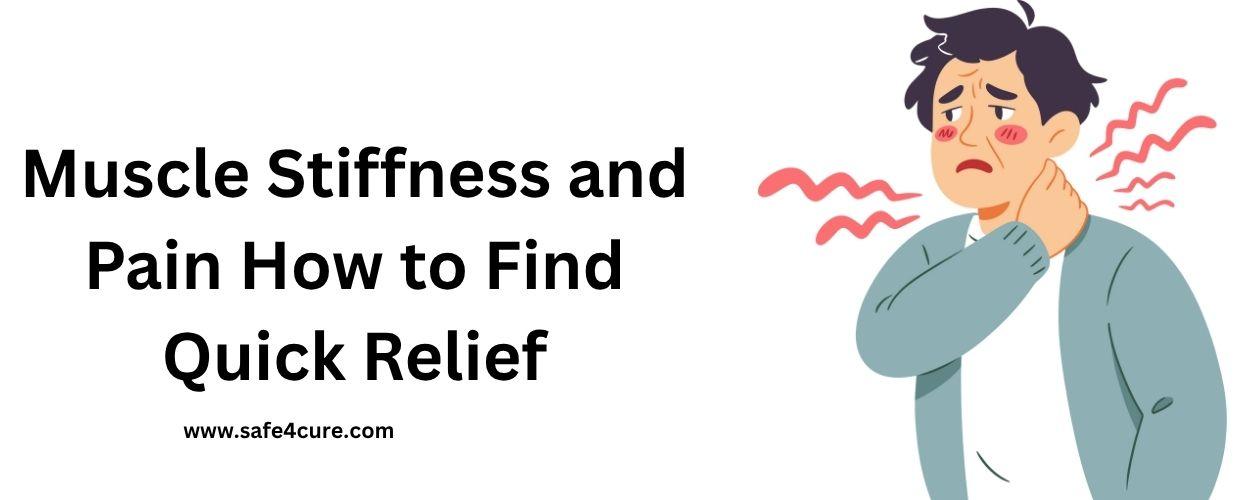
What Is Muscle Stiffness? Understanding the Meaning
Muscle stiffness meaning refers to a sensation of tightness, reduced flexibility, or difficulty moving muscles and joints comfortably. It's characterised by a feeling that your muscles are tight, tense, or resistant to normal movement. Unlike muscle weakness, where you lack the strength to perform an action, stiffness makes movement feel restricted or uncomfortable, though you still have the underlying strength.
Medically, muscle stiffness occurs when muscles remain partially contracted and don't fully relax. This can happen in any muscle group but is most commonly experienced in the neck, shoulders, back, and legs. The condition can range from mild discomfort that resolves quickly to severe stiffness that significantly limits your range of motion and daily functioning.
Types of Muscle Stiffness
- Acute stiffness: Sudden onset, often following intense exercise or injury
- Chronic stiffness: Persistent tightness lasting weeks or months
- Morning stiffness: Particularly common upon waking, often improving with movement
- Post-exercise stiffness: Delayed onset muscle soreness (DOMS) appearing 24-72 hours after activity
Signs and Symptoms of Muscle Stiffness
Recognising the symptoms of muscle stiffness early can help you address the problem before it worsens. Common indicators include:
Physical Symptoms
- Reduced range of motion: Difficulty bending, stretching, or moving affected areas
- Muscle tightness: A sensation of muscles being pulled or constricted
- Aching or soreness: Dull, persistent pain in the affected muscles
- Joint discomfort: Stiffness often affects nearby joints
- Muscle spasms or cramping: Sudden, involuntary muscle contractions
- Tenderness to touch: Affected areas may feel sensitive when pressed
- Difficulty with routine activities: Struggling with tasks like reaching overhead or bending down
Associated Symptoms
- Fatigue or muscle weakness
- Swelling in the affected area
- Localised warmth or redness (in some cases)
- Difficulty sleeping due to discomfort
- Postural changes to compensate for stiffness
Muscle Stiffness Causes: What's Behind Your Discomfort?
Understanding muscle stiffness causes is crucial for effective treatment and prevention. Here are the most common culprits:
1. Physical Activity and Exercise
- Overexertion: Pushing muscles beyond their current capacity
- Inadequate warm-up: Starting intense activity without proper preparation
- New exercise routines: Unfamiliar movements causing micro-tears in muscle fibres
- Delayed onset muscle soreness (DOMS): Normal response to eccentric exercises
2. Poor Posture and Ergonomics
- Prolonged sitting at a desk without proper support
- Hunching over mobile phones or laptops
- Sleeping in awkward positions
- Repetitive strain from workplace activities
3. Medical Conditions
- Fibromyalgia: Chronic condition causing widespread muscle pain and stiffness
- Arthritis: Inflammation affecting joints and surrounding muscles
- Polymyalgia rheumatica: Inflammatory disorder causing muscle stiffness, especially in shoulders and hips
- Hypothyroidism: Underactive thyroid leading to muscle symptoms
- Lupus and other autoimmune diseases: Causing inflammation and muscle pain
- Infections: Flu, Lyme disease, and other infections can cause muscle stiffness
- Chronic fatigue syndrome: Often accompanied by persistent muscle discomfort
4. Lifestyle Factors
- Dehydration: Inadequate fluid intake affecting muscle function
- Nutritional deficiencies: Low levels of potassium, calcium, or magnesium
- Stress and anxiety: Mental tension manifesting as physical muscle tightness
- Lack of physical activity: Sedentary lifestyle causing muscles to tighten
- Poor sleep quality: Insufficient rest preventing proper muscle recovery
5. Injuries and Trauma
- Muscle strains or sprains
- Whiplash from accidents
- Sports-related injuries
- Overuse injuries from repetitive motions
6. Medications
Certain medications, including statins for cholesterol management, can cause muscle stiffness as a side effect. Always consult your GP if you suspect your medication is contributing to muscle problems.
Precautions: Preventing Muscle Stiffness
Prevention is often more effective than treatment. Follow these practical precautions to minimise your risk of developing muscle stiffness:
Daily Habits
- Stay hydrated: Drink at least 6-8 glasses of water daily
- Maintain good posture: Be mindful of your sitting and standing positions
- Take regular breaks: If you work at a desk, stand and stretch every 30-60 minutes
- Practise stress management: Try meditation, deep breathing, or yoga
- Get adequate sleep: Aim for 7-9 hours of quality sleep on a supportive mattress
Exercise Guidelines
- Always warm up: Spend 5-10 minutes preparing muscles before intense activity
- Cool down properly: Include gentle stretching after workouts
- Increase intensity gradually: Avoid sudden spikes in exercise difficulty
- Listen to your body: Rest when you feel pain or excessive fatigue
- Cross-train: Vary your activities to avoid overusing specific muscle groups
- Stay active regularly: Consistent, moderate exercise is better than sporadic intense sessions
Workplace Ergonomics
- Ensure your computer screen is at eye level
- Use a supportive chair with proper lumbar support
- Keep frequently used items within easy reach
- Position your keyboard and mouse to maintain neutral wrist positions
- Consider a standing desk or desk converter for variety
Nutritional Considerations
- Maintain a balanced diet rich in anti-inflammatory foods
- Ensure adequate protein intake for muscle repair
- Consider magnesium-rich foods (leafy greens, nuts, whole grains)
- Include omega-3 fatty acids from fish or supplements
- Avoid excessive alcohol consumption
Muscle Stiffness Treatment: Effective Relief Strategies
When muscle stiffness strikes, several muscle stiffness treatment options can provide relief:
Home Remedies and Self-Care
1. Heat Therapy
Applying heat to stiff muscles helps increase blood flow, relax tight tissues, and reduce discomfort. Options include:
- Hot water bottles
- Heating pads
- Warm baths with Epsom salts (magnesium sulphate)
- Heat wraps or patches
When to use: Best for chronic stiffness or tension. Apply for 15-20 minutes at a time.
2. Cold Therapy
Ice packs can reduce inflammation and numb acute pain.
When to use: Most effective within 48 hours of injury or for acute inflammation. Apply for 10-15 minutes, never directly on skin.
3. Gentle Stretching
Regular stretching improves flexibility and reduces muscle tension. Focus on:
- Neck rolls and shoulder shrugs
- Hamstring and calf stretches
- Hip flexor stretches
- Back extensions and twists
Hold each stretch for 20-30 seconds without bouncing.
4. Massage
Self-massage or professional massage therapy can release muscle knots and improve circulation. Use:
- Foam rollers for larger muscle groups
- Massage balls for targeted relief
- Manual massage techniques
- Professional deep tissue massage
5. Stay Active
Gentle movement is crucial. Try:
- Walking
- Swimming
- Gentle yoga or tai chi
- Light cycling
Over-the-Counter Remedies
Topical Treatments
- Deep Heat or Deep Freeze: Provide warming or cooling sensations
- Tiger Balm: Traditional remedy containing menthol and camphor
- Voltarol Gel (diclofenac): Anti-inflammatory gel for localised pain
- Arnica cream: Natural remedy for muscle soreness
Oral Pain Relievers
- Paracetamol: Effective for mild to moderate pain
- Ibuprofen or aspirin: Non-steroidal anti-inflammatory drugs (NSAIDs) reducing both pain and inflammation
- Always follow dosage instructions and consult a pharmacist if you have underlying health conditions
Medical Treatments
When home remedies aren't sufficient, your GP may recommend:
Prescription Medications
Muscle relaxants are sometimes prescribed for severe or persistent muscle stiffness. One commonly prescribed option is:
Carisoprodol 350 mg: This muscle relaxant works by blocking pain sensations between nerves and the brain. It's typically prescribed for short-term use (2-3 weeks) alongside rest and physical therapy for acute musculoskeletal conditions.
Important considerations for carisoprodol:
- Only available on prescription in the UK
- Can cause drowsiness—avoid driving or operating machinery
- Should not be combined with alcohol
- May be habit-forming; use only as directed
- Not suitable for everyone; your GP will assess your suitability
Other muscle stiffness medicine options include:
- Diazepam: For severe muscle spasms
- Baclofen: For chronic conditions like multiple sclerosis
- Tizanidine: Alternative muscle relaxant
- Stronger pain relievers: Such as codeine or tramadol for severe cases
Physical Therapy
A physiotherapist can provide:
- Personalised exercise programmes
- Manual therapy techniques
- Postural advice
- Ergonomic assessments
Alternative Therapies
- Acupuncture: May help reduce muscle tension and pain
- Chiropractic care: For alignment issues contributing to stiffness
- Osteopathy: Holistic approach to musculoskeletal problems
When to See a Doctor
Whilst most muscle stiffness resolves with home treatment, seek medical attention if you experience:
- Severe pain that doesn't improve with self-care
- Stiffness accompanied by high fever
- Muscle weakness or numbness
- Difficulty breathing or swallowing (particularly with neck stiffness)
- Signs of infection (redness, warmth, swelling)
- Stiffness following a tick bite (potential Lyme disease)
- Persistent stiffness lasting more than a few weeks
- Stiffness that significantly interferes with daily activities
- Unexplained muscle stiffness without obvious cause
- Dark-coloured urine alongside severe muscle pain (could indicate rhabdomyolysis)
Long-Term Management Strategies
For chronic muscle stiffness, consider these ongoing approaches:
Regular Exercise Programme
- Incorporate strength training to support muscles
- Include flexibility work like yoga or Pilates
- Maintain cardiovascular fitness
- Work with a personal trainer or physiotherapist to develop a suitable routine
Stress Management
- Practise mindfulness or meditation
- Engage in relaxing hobbies
- Consider cognitive behavioural therapy (CBT) if stress is chronic
- Ensure adequate rest and recovery time
Professional Support
- Regular physiotherapy sessions
- Periodic massage therapy
- Ongoing monitoring by your GP for underlying conditions
- Consider joining support groups if you have chronic conditions like fibromyalgia
Lifestyle Modifications
- Invest in ergonomic furniture
- Use supportive shoes
- Maintain a healthy weight to reduce strain on muscles
- Create a sleep-friendly environment
Frequently Asked Questions (FAQs)
What causes muscle stiffness in the morning?
Morning muscle stiffness is extremely common and typically results from prolonged inactivity during sleep. When you're inactive for hours, fluid accumulates in joints and tissues, and muscles remain in fixed positions. This is why movement usually helps morning stiffness dissipate.
How long does muscle stiffness last after exercise?
Post-exercise muscle stiffness, particularly DOMS (delayed onset muscle soreness), typically peaks 24-72 hours after activity and usually resolves within 5-7 days. If you're new to exercise or trying a new workout, expect more pronounced stiffness initially. This should gradually decrease as your muscles adapt.
Can dehydration cause muscle stiffness?
Yes, absolutely. Dehydration reduces the water content in muscle cells, leading to increased friction between muscle fibres and causing stiffness and cramping. Muscles require adequate hydration to function properly and maintain flexibility.
Is muscle stiffness a sign of something serious?
Usually, muscle stiffness is benign and related to overuse, poor posture, or minor strain. However, it can occasionally indicate underlying conditions such as fibromyalgia, polymyalgia rheumatica, hypothyroidism, or autoimmune disorders.
Should I use heat or ice for muscle stiffness?
For general muscle stiffness or chronic tension, heat therapy is usually most beneficial as it increases blood flow and relaxes tight muscles. Use ice therapy primarily for acute injuries (within the first 48 hours) or when there's inflammation and swelling.
Can stress cause muscle stiffness?
Yes, psychological stress is a significant contributor to muscle tension and stiffness. When you're stressed or anxious, your body activates the "fight or flight" response, causing muscles to tense up protectively. Chronic stress means your muscles remain partially contracted for extended periods, leading to persistent stiffness, particularly in the neck, shoulders, and back.
Are muscle relaxants like carisoprodol safe for everyone?
No, muscle relaxants aren't suitable for everyone. Carisoprodol and similar medications can cause drowsiness, dizziness, and in some cases, dependence with prolonged use. They're typically contraindicated for people with certain medical conditions, those taking specific medications, pregnant or breastfeeding women, and individuals with a history of substance abuse.
Can I prevent muscle stiffness entirely?
Whilst you can't completely prevent all muscle stiffness, you can significantly reduce its frequency and severity through proper prevention strategies. Maintaining good posture, staying hydrated, exercising regularly with proper warm-up and cool-down routines, managing stress, getting adequate sleep, and maintaining a healthy lifestyle all contribute to keeping muscles supple and reducing stiffness risk.
How can I tell if my muscle stiffness requires medical attention?
Seek medical advice if your stiffness is severe, doesn't improve with home remedies within a few weeks, is accompanied by other concerning symptoms (fever, weakness, numbness, unexplained weight loss), follows an injury or accident, significantly interferes with daily activities, or you suspect it might be medication-related.

 Arabic
 French
 Spanish
 Portuguese
 Deutsch
 Turkish
 Dutch
Dutch
 Italiano
 Russian
 Romaian
 Portuguese (Brazil)
 Tiếng Việt