

Facial hair trends continue to evolve, and in recent years, a well-structured beard has become a strong symbol of character, confidence, and masculinity. Unfortunately, not everyone is able to grow a dense beard naturally. Patchiness, slow growth, uneven patterns, or bald spots can affect both appearance and self-esteem. Grooming products, supplements, and topical solutions may offer slight improvements, but results are inconsistent and temporary. For men who want a permanent enhancement, a modern beard transplant offers an effective and reliable solution. This detailed guide explains the procedure, benefits, recovery timeline, and what you can expect before committing to treatment.
Why Beard Growth Can Become Patchy
Before considering treatment, it’s important to understand the reasons behind poor facial hair growth. Genetics remain the most common cause, determining your growth pattern from adolescence onward. Hormonal factors, particularly low androgen activity, can also influence density. In other cases, past injuries or surgical scars can inhibit hair growth permanently. Some autoimmune conditions may attack follicles, creating uneven spots. Lifestyle factors such as stress and nutritional deficiencies may contribute as well, although these can often be managed over time.
How the Procedure Works
A beard transplant involves relocating healthy hair follicles from one part of the body to the beard area. Typically, the donor zone is the back of the scalp, where hair growth is thick and genetically resistant to thinning. The most popular extraction technique used is Follicular Unit Extraction (FUE). This method removes follicles individually, reducing scarring and offering a shorter recovery time.
Step-by-Step Breakdown
-
Consultation and Planning
During the initial appointment, the specialist examines the beard area, evaluates donor density, and discusses your desired shape. You can choose styles ranging from full beards to goatees or mustaches. -
Design Phase
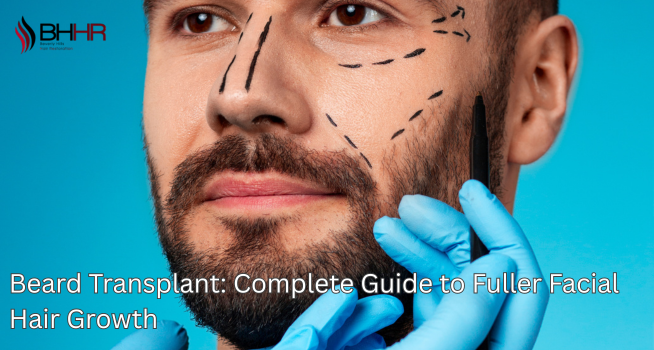
Precise markings are drawn on the face to outline the new growth pattern. Density distribution and symmetry are carefully mapped to ensure a natural appearance. -
Local Anesthesia
The area is numbed so that the procedure is comfortable. Most patients feel only mild pressure. -
Follicle Extraction
Individual grafts are removed gently from the donor zone using a micro-punch tool. Each graft may contain one to three hairs. -
Implantation of Follicles
After extraction, the specialist creates tiny incisions in the beard zone and implants each graft at a specific angle. This ensures that the new growth blends seamlessly. -
Final Adjustments
After completion, the beard region is cleaned, and medication instructions are provided.
The procedure usually lasts anywhere from four to eight hours, depending on density goals.
Benefits of Choosing This Procedure
One of the biggest advantages is that results look authentic. Because real hair follicles are used, texture and growth patterns match naturally. After full recovery, you can trim, shave, and groom without worrying about harming the transplanted follicles. The process offers long-term results, making it a strong alternative to temporary fillers or cosmetic enhancements. Another benefit is customization. Every face shape is unique, and the procedure allows tailored results. Whether you want subtle improvement or a thicker, more dramatic look, implantation patterns can be adjusted accordingly. In addition, downtime is minimal; most patients return to regular activities in just a few days.
Ideal Candidate Requirements
Several factors determine eligibility. Good donor hair density is essential since the success of the treatment relies on the availability of healthy grafts. Suitable candidates should also be free from uncontrolled health conditions like severe diabetes or blood-clotting issues. People suffering from chronic facial skin infections may need evaluation before proceeding. A realistic mindset is crucial. While the process can significantly improve appearance, expectations should align with biological limitations.
Recovery Timeline and Aftercare
Recovery is straightforward. Mild swelling, redness, or crust formation is normal and typically resolves within a week to ten days. During this period, touching or scratching the implanted area should be avoided. Patients are usually advised to sleep with their head elevated for a few nights to reduce swelling. Strenuous activities, including heavy workouts, should be paused temporarily to prevent excessive sweating. Shedding of the transplanted hairs often occurs around the second or third week, which may alarm some individuals. This is part of the natural growth cycle. The follicles remain beneath the skin and continue producing new strands over the following months. Visible growth generally begins around the third month, with full maturity reached between eight and twelve months.
Long-Term Results
A major strength of a beard transplant is permanence. Once new follicles fully establish, they behave exactly like regular facial hair. You can style, color, cut, and care for them as desired. Density, coverage, and natural texture allow you to define your personal grooming style confidently.
Cost Considerations
Pricing varies based on several elements, including:
-
The number of grafts needed
-
Geographic location
-
Experience of the specialist
-
Complexity of design
Although the cost may seem high, its permanence often makes it more economical than recurring grooming treatments or ineffective growth remedies.
Possible Side Effects
Minor side effects can occur, though they are typically temporary. These may include swelling, slight numbness, or redness. In rare cases, small bumps known as folliculitis can develop but usually resolve with recommended care. Following instructions closely minimizes the risk of complications.
Selecting a Qualified Specialist
Choosing a reputable practitioner greatly influences results. When researching providers, examine before-and-after photos, verify credentials, and browse authentic patient reviews. High hygiene standards and transparent consultation practices are important signs of professionalism. Avoid clinics that guarantee unrealistic density or offer suspiciously low pricing, as these may compromise safety.
Post-Treatment Grooming
Once fully healed, normal grooming products such as beard oils, balms, and shampoos can be used. You can experiment with beard shapes, fades, trims, and other styling options without affecting follicle health.
Final Thoughts
A beard transplant provides a safe, long-lasting, and natural enhancement for men who struggle with patchy or uneven beard growth. With advanced medical techniques, minimal recovery time, and the freedom to groom naturally, this procedure has become one of the most reliable options for achieving a fuller facial hair appearance. By understanding the process, preparing properly, and choosing a skilled specialist, you can make a well-informed decision and enjoy the confidence that comes with a well-defined beard.

 English
 Arabic
 French
 Spanish
 Portuguese
 Deutsch
 Turkish
 Dutch
Dutch
 Italiano
 Russian
 Romaian
 Portuguese (Brazil)