


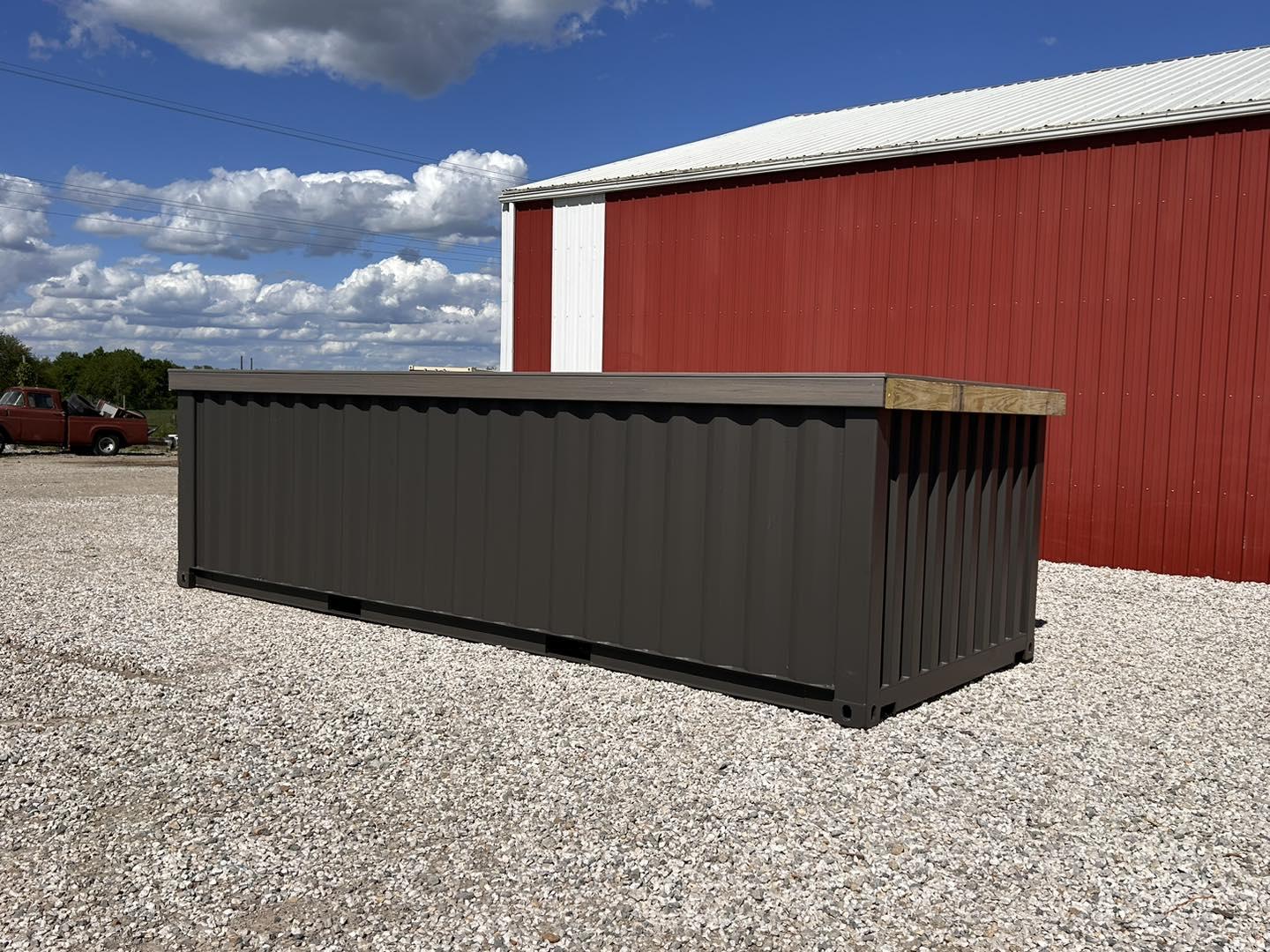
Over the last few years, the world of backyard design has seen a major shift. Homeowners who once dreamed of sprawling concrete pools are now turning to a smarter, more sustainable, and cost-effective option — container swimming pools.
Made from repurposed shipping containers, these pools blend industrial strength with modern luxury. They’re sleek, durable, and eco-friendly, offering the perfect balance between style and sustainability. But before you dive into investing in one, it’s essential to understand the basics — from cost and installation to maintenance and customization.
If you’re considering transforming your outdoor space with a container swimming pool, this comprehensive guide will help you make an informed, confident decision.
1. What Exactly Is a Container Swimming Pool?
A container swimming pool is built from a modified steel shipping container — the same kind used to transport goods across oceans. These containers are designed to endure harsh marine environments, making them exceptionally strong and waterproof.
When repurposed, they’re reinforced, lined, insulated, and fitted with plumbing, filtration, and heating systems, transforming them into fully functional pools.
Most models come in two standard lengths:
-
20-foot containers: Great for small yards, rooftops, and plunge pools.
-
40-foot containers: Ideal for larger families or those who want more swim space.
They can be installed above-ground, semi-recessed, or in-ground, depending on your property layout and design preference.
2. Why Container Pools Are Becoming So Popular
Container pools aren’t just a fad — they’re part of a larger movement toward sustainable, modular, and affordable luxury.
Key Benefits
-
Eco-Friendly Construction: Built from recycled steel, reducing waste.
-
Fast Installation: Prefabricated and delivered ready to install.
-
Cost-Effective: Half the price of a traditional pool.
-
Low Maintenance: Smaller water volume and simple systems.
-
Modern Aesthetics: Sleek, clean lines fit perfectly with contemporary homes.
They represent a lifestyle shift — one that values efficiency, innovation, and environmental responsibility.
3. The Cost Factor: What You Should Budget For
One of the biggest advantages of container pools is affordability.
While prices vary based on customization, size, and features, the average container swimming pool costs between $25,000 and $50,000, including installation.
Here’s how that compares:
-
Traditional In-Ground Pool: $60,000–$100,000+
-
Fiberglass Pool: $45,000–$80,000
-
Container Pool: $25,000–$50,000
Because container pools are prefabricated, you’ll save on labor, excavation, and long-term maintenance. And with fewer materials and faster setup, you get luxury-level quality without the traditional price tag.
Optional Add-Ons
-
Heating systems (electric, gas, or solar)
-
Lighting packages (LED or color-changing)
-
Decking or fencing
-
Custom interiors or glass viewing panels
-
Smart automation systems
These upgrades can enhance functionality and aesthetics, but they also increase total cost — so plan your budget accordingly.
4. The Installation Process: What to Expect
Installing a container swimming pool is simpler than you might imagine.
1: Site Preparation
Your contractor will level the area and create a solid base, typically concrete or compacted gravel. For in-ground or semi-recessed installations, excavation may be needed.
2: Delivery and Placement
Once the site is ready, the prefabricated container pool is delivered — usually by crane or flatbed truck — and carefully placed in position.
3: Hookups
Electricity and plumbing connections are completed, and the filtration system is installed.
4: Fill and Finish
Your pool is filled with water, tested for safety, and then finished with any exterior design elements like decking or landscaping.
Most installations are completed within two to four weeks, far quicker than traditional builds that can take months.
5. Understanding Design and Customization Options
One of the most exciting parts of investing in a container pool is the ability to personalize your design.
Exterior Options
-
Natural Wood Cladding: Adds warmth and elegance.
-
Stone or Tile Finish: Enhances modern aesthetics.
-
Raw Steel Look: For an edgy, industrial vibe.
Interior Features
-
Fiberglass Lining or Epoxy Coating: Waterproof, smooth finish.
-
Glass Windows: Adds a luxurious, resort-style touch.
-
Integrated Steps and Seating: Built-in comfort and convenience.
Smart Add-Ons
-
App-Controlled Heating and Filtration
-
LED Lighting Systems
-
Energy-Efficient Pumps and Solar Power Integration
Your pool should reflect your lifestyle — whether you want a serene escape, a fitness hub, or a showpiece for entertaining.
6. The Sustainability Advantage
Environmental consciousness is at the core of the container pool trend.
Each repurposed container represents thousands of pounds of recycled steel, reducing demand for new raw materials. Combined with sustainable practices like solar heating and efficient pumps, container pools dramatically cut carbon footprints.
Key Eco-Friendly Features
-
Reduced Material Waste: Prefabrication limits on-site waste.
-
Energy Efficiency: Optional solar-powered systems.
-
Water Conservation: Smaller pool size requires less water.
-
Longevity: With proper care, they last decades, reducing replacement frequency.
Investing in a container pool means investing in a greener future — one where comfort doesn’t come at the planet’s expense.
7. Maintenance Made Simple
Traditional pools often require hours of weekly upkeep. Container pools, however, are designed with convenience and efficiency in mind.
Regular Maintenance Includes
-
Checking pH and chlorine levels weekly.
-
Cleaning filters and skimmers.
-
Inspecting liners or coatings periodically.
Because container pools are smaller and have modern filtration systems, maintenance is quicker, easier, and more affordable.
Many owners even handle upkeep themselves — no costly pool service contracts required.
8. Space Requirements: How Much Room Do You Need?
Container pools are incredibly space-efficient.
A 20-foot model typically fits comfortably in urban or suburban backyards, while 40-foot models provide ample room for swimming and lounging in larger properties.
Even a small yard can accommodate a compact plunge-style container pool. Many homeowners install them on:
-
Rooftops
-
Decks or patios
-
Side yards
-
Sloped or uneven lots
The modular design makes them versatile enough to adapt to nearly any property layout.
9. How Long Do Container Pools Last?
When properly built and maintained, container pools can last 25 years or more.
Durability comes from:
-
Marine-grade steel construction.
-
Anti-corrosive coatings and waterproof liners.
-
Professional reinforcement of structure and joints.
Routine inspection and occasional touch-ups keep your pool in top shape for decades.
It’s a long-term investment — both for your property and your peace of mind.
10. Permits and Regulations: What You Should Know
Even though container pools are prefabricated, most areas require permits before installation.
Local regulations vary, but you’ll likely need:
-
A building or zoning permit for structural installation.
-
An electrical and plumbing inspection.
-
A fencing or safety barrier to comply with local safety laws.
Working with a professional installer like Midwest Container Pools LLC ensures your project meets all legal requirements — saving you time, stress, and potential fines.
11. Comparing Container Pools to Traditional Pools
| Feature | Container Swimming Pool | Traditional In-Ground Pool |
|---|---|---|
| Material | Recycled steel | Concrete or fiberglass |
| Installation Time | 2–4 weeks | 3–6 months |
| Average Cost | $25K–$50K | $60K–$100K+ |
| Eco Impact | High sustainability | High resource use |
| Maintenance | Low | Moderate to high |
| Design Flexibility | Modular, customizable | Fixed structure |
| Mobility | Portable | Permanent |
Container pools clearly stand out for speed, affordability, and environmental performance.
12. Common Misconceptions About Container Pools
“They’re just for small yards.”
Not true. While they’re perfect for compact spaces, 40-foot models or custom multi-container setups work beautifully in larger properties.
“They rust easily.”
Modern container pools are treated with anti-corrosive coatings and waterproof liners — rust isn’t a problem when properly maintained.
“They don’t last long.”
With professional installation, container pools can easily outlast many fiberglass or vinyl models.
“They’re hard to heat.”
They heat faster and hold warmth better due to their compact size and insulated construction.
13. ROI: The Financial and Lifestyle Value
A container swimming pool isn’t just a fun addition — it’s a value-adding investment.
Homebuyers increasingly prioritize sustainable and low-maintenance features. A well-designed container pool enhances property value and curb appeal.
For rental or vacation properties, the ROI is even greater — unique amenities like container pools attract guests and justify higher rates.
Financially and emotionally, it’s an investment that pays dividends in lifestyle enjoyment.
14. Choosing the Right Builder or Manufacturer
Not all container pools are created equal. Choosing the right builder is crucial for safety, quality, and long-term performance.
Look For:
-
Proven experience with container conversions.
-
Marine-grade steel and certified waterproof coatings.
-
Structural reinforcement and corrosion protection.
-
Warranty coverage for materials and workmanship.
-
Customization options and transparent pricing.
A trusted builder like Midwest Container Pools LLC specializes in designing, fabricating, and installing container pools tailored to your space and lifestyle — ensuring long-term satisfaction and support.
15. The Emotional Benefits of Ownership
Beyond practicality, owning a container pool offers genuine emotional rewards. It’s a personal sanctuary where you can unwind, reconnect, and recharge.
Imagine cooling off after work, enjoying a morning swim, or spending weekends with family — all in your own eco-friendly retreat.
A container pool isn’t just a backyard feature; it’s a lifestyle upgrade that enhances your quality of life every single day.
16. The Future of Container Pools
As sustainability and modular construction gain momentum, container pools will continue to evolve. Future innovations will likely include:
-
Fully solar-powered pool systems
-
AI-driven water quality monitoring
-
Integrated spa-hybrid designs
-
Smart insulation for energy efficiency
With rapid technological progress, the next generation of container pools will be even smarter, greener, and more luxurious.
Conclusion: Dive Into Smart, Sustainable Luxury
A container swimming pool offers something truly unique — the luxury of a personal retreat, combined with the intelligence of sustainable design.
They’re faster to install, easier to maintain, and more eco-friendly than traditional options. Whether your backyard is large or small, modern or rustic, a container pool adapts perfectly to your lifestyle and space.
Before you invest, take time to understand the materials, design options, and local regulations — but once you do, you’ll find there’s no smarter way to enjoy comfort, beauty, and environmental responsibility all in one.
When it comes to backyard innovation, container swimming pools aren’t just the future — they’re the now.

 English
 Arabic
 French
 Spanish
 Portuguese
 Turkish
 Dutch
Dutch
 Italiano
 Russian
 Romaian
 Portuguese (Brazil)
 Tiếng Việt