


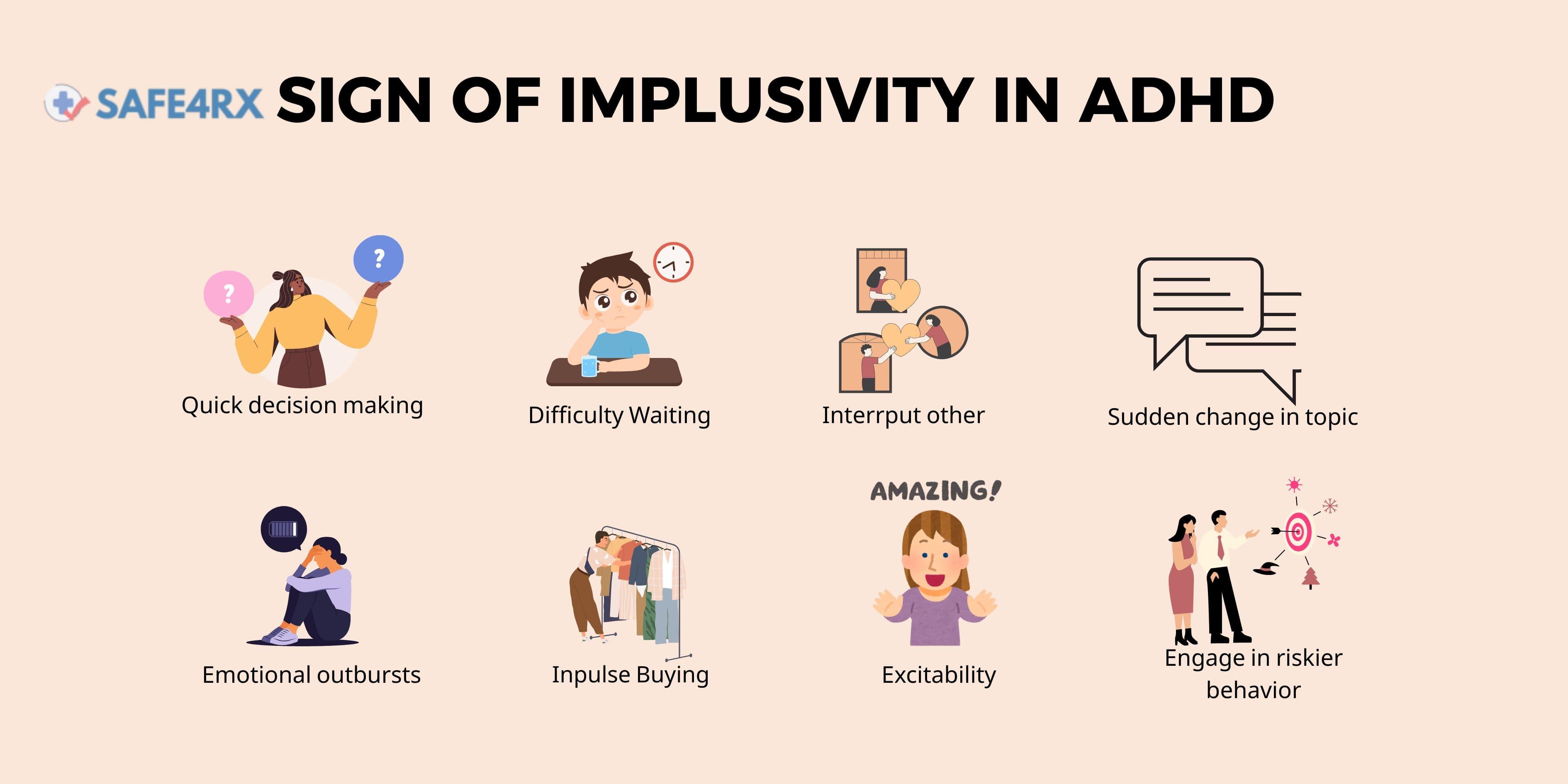
Axepta 10 mg Tablet is a prescription medicine used for the effective management of Attention Deficit Hyperactivity Disorder (ADHD) in children, teens, and adults. It contains Atomoxetine, a non-stimulant medication that supports better focus, reduces impulsive behavior, and improves overall attention span.
This guide covers Axepta 10 mg uses, how it works, dosage overview, side effects, precautions, and FAQs—everything you need before starting this medicine.
What is Axepta 10 mg Tablet?
Axepta 10 mg tablet is a widely used ADHD medication that belongs to the class of Selective Norepinephrine Reuptake Inhibitors (NRIs).
Unlike stimulant medications, Axepta works gradually and offers steady symptom improvement throughout the day.
Highlights
-
Active ingredient: Atomoxetine
-
Used for: ADHD (Attention Deficit Hyperactivity Disorder)
-
Prescription: Required
-
Type: Non-stimulant
Axepta 10 mg Tablet Uses
1. ADHD (Attention Deficit Hyperactivity Disorder)
Axepta helps manage key ADHD symptoms such as:
-
Difficulty focusing
-
Poor concentration
-
Impulsivity
-
Restlessness / hyperactivity
-
Behavioral issues
Doctors often choose Axepta when:
-
Stimulants are not suitable
-
A patient needs a non-habit–forming option
-
All-day symptom control is required
How Axepta 10 mg Tablet Works
Axepta contains Atomoxetine, which increases the level of norepinephrine—a neurotransmitter responsible for improving:
-
Attention
-
Alertness
-
Behavior control
By stabilizing norepinephrine pathways, Axepta helps individuals stay focused, organized, and calmer.
Axepta 10 mg Tablet Dose (General Information)
Important: Always take Axepta exactly as prescribed by your doctor.
Doses vary based on age, weight, and treatment goals.
General dosing guidelines
-
Usually taken once or twice daily
-
You can take it with or without food
-
Take it at the same time every day
-
Doctors often start with a low dose and increase gradually
What to avoid
-
Do not double the dose if you miss one
-
Do not stop it suddenly without medical guidance
Side Effects of Axepta 10 mg
Most side effects are mild and temporary.
Common side effects
-
Nausea
-
Loss of appetite
-
Dry mouth
-
Trouble sleeping
-
Dizziness
-
Fatigue
Serious (less common) side effects
-
Fast heartbeat
-
Liver-related issues (dark urine, yellowing of skin)
-
Mood changes
-
Suicidal thoughts (rare—seek help immediately)
Precautions Before Using Axepta 10 mg
Inform your doctor if you have:
-
Heart conditions
-
High blood pressure
-
Liver problems
-
Glaucoma
-
Psychiatric illness
-
History of drug reactions
-
Pregnancy or breastfeeding
Avoid alcohol, as it can worsen dizziness and mood-related side effects.
Drug Interactions
Axepta may interact with:
-
Antidepressants (MAOIs, SSRIs)
-
Blood pressure medications
-
Certain asthma medicines
Always share your full medication list with your doctor.
Storage
-
Store in a cool, dry place
-
Keep away from sunlight, heat, and moisture
-
Keep out of children’s reach
FAQs – Axepta 10 mg Tablet
1. What is Axepta 10 mg Tablet used for?
Axepta 10 mg is mainly used for treating ADHD to improve concentration, reduce impulsiveness, and manage hyperactive behavior.
2. Is Axepta 10 mg a stimulant?
No. Axepta is a non-stimulant ADHD medication, making it useful for people who cannot tolerate stimulant therapy.
3. How long does Axepta take to show results?
It may take 1–2 weeks to notice improvement, and 4–6 weeks for full benefits.
4. How should I take Axepta 10 mg?
Follow your doctor’s prescription. It is usually taken once or twice daily, with or without food.
5. Can adults take Axepta 10 mg?
Yes. Axepta is approved for children, adolescents, and adults with ADHD.
6. What happens if I miss a dose?
Take the missed dose as soon as you remember unless it's almost time for your next dose.
Do not double the dose.
7. What are the common side effects?
Common side effects include nausea, appetite loss, trouble sleeping, dry mouth, dizziness, and tiredness.
8. Can Axepta 10 mg cause serious side effects?
Serious but rare side effects include mood changes, liver issues, and heart-related symptoms. Seek medical help if these occur.
9. Who should avoid Axepta?
People with:
-
Severe heart disease
-
Liver problems
-
Glaucoma
-
Serious mental health conditions
should consult their doctor before using this medicine.
10. Can I drink alcohol while taking Axepta?
Avoid alcohol. It may increase dizziness, fatigue, and mood-related side effects.
11. Can I stop Axepta suddenly?
No. Do not discontinue the medicine without a doctor’s advice.
12. Does Axepta interact with other medicines?
Yes. It may interact with antidepressants, blood pressure medications, and certain asthma drugs.

 English
 Arabic
 French
 Spanish
 Portuguese
 Deutsch
 Turkish
 Dutch
Dutch
 Russian
 Romaian
 Portuguese (Brazil)
 Tiếng Việt