


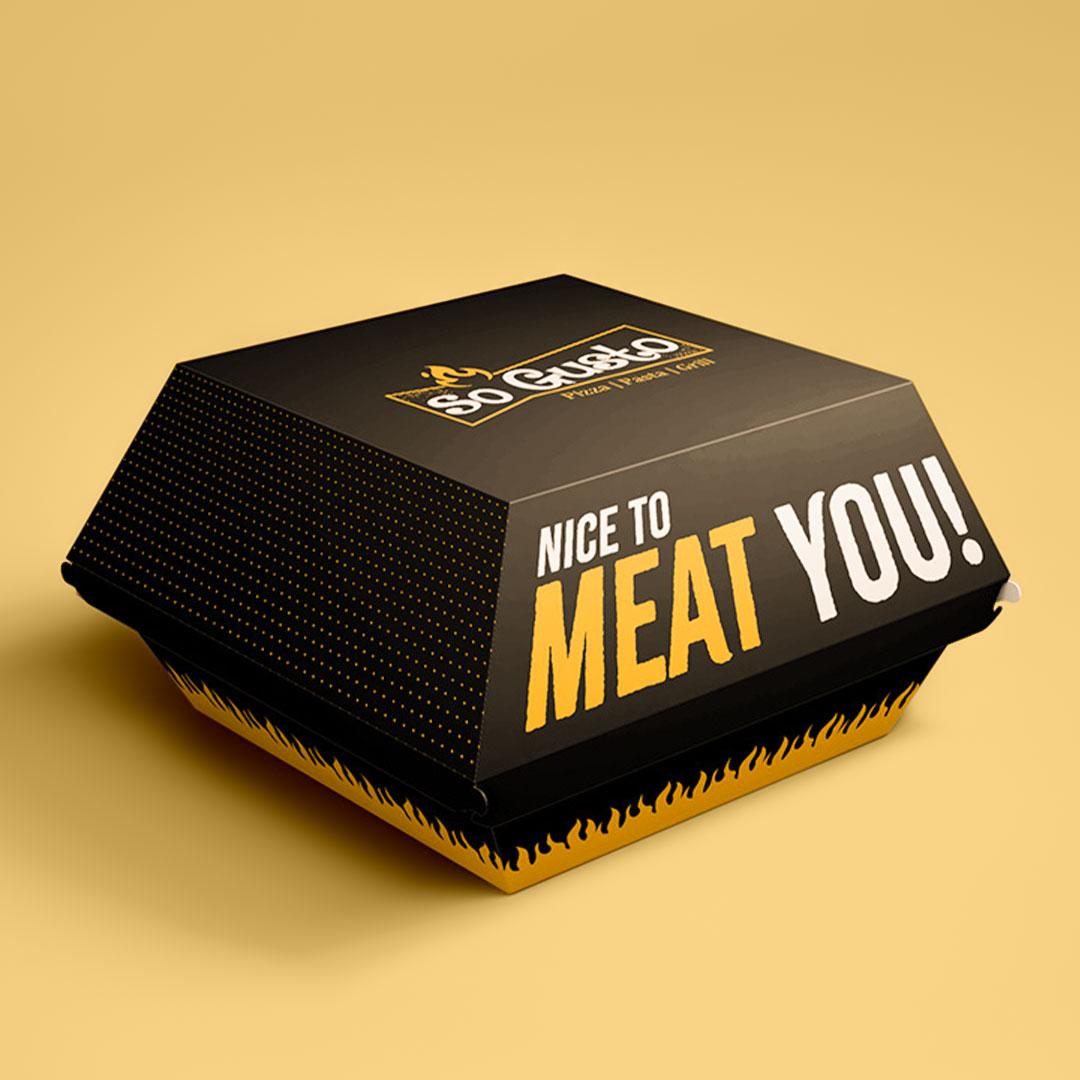
The modern burger represents a global culinary icon. Yet, its convenience often comes with a hidden cost. This cost is a trail of packaging waste that burdens our planet. Imagine a different system where every component is part of a continuous cycle. This is the vision of the circular burger.
The Problem with a Linear Meal
Our current food system operates on a linear model. We take resources, make products, and then discard them as waste. This is especially true for takeaway food like burgers. A single burger order can generate a paper wrapper, a cardboard box, a plastic sauce sachet, a paper napkin, a straw, and a drink cup. All these items are used for a very short time. Then they are thrown away. Most of this packaging is not recycled. It ends up in landfills or pollutes natural environments.
There it can remain for centuries. This take-make-waste model is unsustainable. It depletes finite resources. It also contributes significantly to environmental pollution. The problem is vast and systemic. It requires a fundamental rethinking of how we deliver food to consumers. We must move beyond this disposable culture. A new approach is not just preferable. It is essential for a healthy future.
Envisioning a Circular Food Economy
A circular economy offers a powerful alternative. Its goal is to eliminate waste entirely. It keeps materials in use for as long as possible. In a circular model, products and materials are constantly circulated. They are reused, repaired, refurbished, and recycled. Nothing becomes trash. Applying this to the burger industry creates a fascinating vision. Every part of the burger's journey is redesigned. This includes how ingredients are grown.
It also includes how the final product is delivered to the customer. The burger itself could be sourced from regenerative farms. These farms improve the land. The waste from the restaurant, like vegetable scraps, is composted. This compost then nourishes the farms. Even the customer becomes part of the cycle. They return packaging for cleaning and reuse. This creates a closed-loop system. It mimics nature's own processes where there is no waste.
Redesigning the Burger Experience
Creating a circular system requires innovation at every touchpoint. The physical experience of eating a burger must be reimagined. For instance, edible packaging could become the norm. A burger could be served in a baked, seasoned, and sturdy wafer wrapper. This wrapper is part of the meal. Similarly, sauce could be contained in a dissolvable film made from seaweed.
The customer eats the sauce and its container. For dine-in restaurants, durable plates and cutlery are the obvious choice. These items are washed and reused thousands of times. This model shifts the focus from single-use convenience to a more thoughtful dining ritual. It encourages mindfulness about resources. It also offers a novel and engaging experience for the consumer. They become active participants in a sustainable system.
The Role of Reusable Systems
For takeaway and delivery, reusable systems present a viable solution. Imagine a network where food is delivered in sturdy, returnable containers. A customer orders a burger online. It arrives in a sleek, insulated, and durable clamshell. This container is designed for multiple uses. After enjoying the meal, the customer returns the container. They might drop it at a designated bin or a partner store.
The containers are then collected, professionally cleaned, and sanitized. Next, they are redistributed to restaurants for their next use. This system requires a robust logistics network. It also depends on consumer participation. However, successful models already exist for coffee cups and grocery containers. The key is making the return process incredibly easy and convenient for the user. This model transforms packaging from a product into a service.
Innovations in Material Science
Material science is the backbone of the circular burger. New, bio-based materials are emerging rapidly. These materials are derived from renewable sources. For example, packaging can be made from mycelium. Mycelium is the root structure of mushrooms. It can be grown into custom shapes around agricultural waste. The result is a protective, fully compostable material. Another promising area is bioplastics. These are plastics made from plant starch, like corn or seaweed.
Unlike traditional petroleum-based plastics, they can be designed to break down safely in industrial composting facilities. Furthermore, advanced coatings made from tomato skins or plant waxes can make paper products grease-resistant without harmful chemicals. These innovations provide the tools needed to replace single-use plastics and papers. They offer the same functionality without the environmental guilt.
Engaging the Consumer in the Loop
No circular system can work without the consumer. Their active participation is crucial. Therefore, education and incentive are key components. Restaurants and food chains must clearly communicate the new process. They need to explain how the system benefits the environment. Visual guides and simple instructions can help. Moreover, incentives can powerfully drive behavior. For example, a small discount on the next purchase can be offered for returning packaging.
Loyalty points could be awarded for every container returned. Another idea is a small deposit fee included in the initial order. This deposit is refunded upon return. Gamification can also be effective. An app could track a user's positive impact. It could show the number of packaging items they have saved from landfill. This makes participation rewarding and tangible.
The Business Case for Change
Adopting circular principles is not just an ethical choice. It is a smart business strategy. Firstly, it can lead to significant cost savings over time. While initial investment might be high, reusable systems reduce the recurring expense of buying single-use packaging. Secondly, it future-proofs the business against regulations. Governments worldwide are banning single-use plastics. A business that has already transitioned will have a major advantage. Thirdly, it builds powerful brand loyalty.
A growing segment of consumers prefers to support sustainable businesses. They are often willing to pay a premium for eco-friendly options. This enhances the company's reputation. It also attracts a loyal customer base. Therefore, the circular model aligns environmental responsibility with long-term profitability.
Policy and Infrastructure as Catalysts
For a circular system to scale, supportive policy and infrastructure are essential. Governments can play a pivotal role. They can introduce extended producer responsibility schemes. These schemes make producers financially responsible for the end-of-life management of their products. This encourages companies to design packaging that is easy to reuse or recycle. Additionally, public investment is needed in collection and sorting infrastructure.
This includes reverse vending machines for container returns. It also includes centralized, high-tech cleaning facilities for reusable items. Municipal composting facilities are needed to process certified compostable packaging. Without this backbone, even the most willing consumers and businesses will struggle. Collaboration between the public and private sectors is the only way to build a truly effective circular economy for food packaging.
A Bite Towards a Sustainable Future
The journey towards a circular burger is a collective one. It requires the creativity of designers. It needs the commitment of business leaders. It depends on the participation of consumers. And it demands the support of policymakers. This vision is not a distant utopia. Its seeds are already being planted by innovators around the world. Every step taken is a step away from the wasteful linear model. It is a step towards a system that respects planetary boundaries. The humble burger, a symbol of modern consumption, can be transformed. It can become a powerful symbol of a sustainable and waste-free future. The choice to reimagine it is in our hands.
Conclusion
The journey towards a circular burger is a collective one. It requires the creativity of designers and the commitment of business leaders. It also depends on the participation of consumers. This vision is not a distant utopia. Its seeds are already being planted by innovators around the world. Every step taken is a step away from the wasteful linear model. It is a step towards a system that respects planetary boundaries. The humble burger, a symbol of modern consumption, can be transformed.
It can become a powerful symbol of a sustainable and waste-free future. The choice to reimagine it is in our hands. Each decision to support a reusable system or choose a restaurant with sustainable practices matters. Together, these choices create a powerful wave of change. They push the entire industry toward a better standard. A future without packaging waste is possible. We build it one conscious bite at a time.
Source Link: https://ibexpackaging.com/burger-boxes/

 English
 Arabic
 French
 Spanish
 Portuguese
 Deutsch
 Turkish
 Dutch
Dutch
 Russian
 Romaian
 Portuguese (Brazil)
 Tiếng Việt