


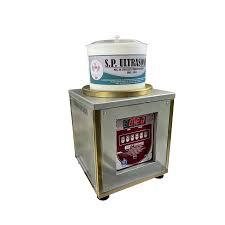
In the fast-paced jewelry industry, achieving a flawless finish is no longer optional — it’s expected. For jewellery professionals and workshops looking to elevate their output, the jewellery polishing machine holds a pivotal place. In this article, we explore what a jewellery polishing machine is, why it matters, how to choose one, and how it can boost your workshop productivity and finish quality.
1. What is a Jewellery Polishing Machine?
A jewellery polishing machine is a specialized piece of equipment designed to refine and finish jewellery items — from rings and bracelets to pendants and complex settings. These machines remove scratches, oxidation, tarnish and other surface imperfections, delivering a high-lustre finish across a range of metals and designs.
Several types of polishing machines exist:
-
Rotary or bench polishers: machines where a wheel or buff spins and the jewelry is held against it.
-
Vibratory tumblers/finishing machines: jewellery pieces are placed with media in a bowl and vibrated to polish simultaneously.
-
Magnetic tumblers: small, specialized systems using magnetic pins or media to polish very fine or intricate jewellery pieces.
-
Electropolishing machines: an electrochemical finishing method that smooths and brightens metal surfaces, enhancing corrosion resistance.
Understanding the type you need is key to selecting the right machine for your workshop.
2. Why a Jewellery Polishing Machine is Essential
• Enhanced Finish and Appearance
Hand polishing can yield good results, but it struggles to deliver uniformity and speed. A well-chosen jewellery polishing machine ensures consistent pressure, speed and finish across multiple pieces.
• Increased Productivity
When you’re handling multiple jewellery items — perhaps dozens of rings or intricate pendants — machine polishing vastly outpaces manual methods. One source reports improved workflow by over 200% in a professional setting.
• Versatility Across Metals and Designs
From gold and silver to harder metals and intricate models with stones or filigree work, modern machines cater to diverse needs — provided you match the machine to the job.
• Improved Durability and Quality
By smoothing surfaces and removing tiny flaws, polishing machines enhance longevity, reduce tarnishing and surface wear — adding value to the final product.
3. Key Features to Look For When Selecting a Jewellery Polishing Machine
To ensure you select an efficient, durable and suitable polishing machine for your jewellery work, consider the following features:
-
Machine type & capacity: Match machine type (rotary, vibratory, magnetic, electropolishing) to your production volume, piece size and complexity.
-
Variable speed and control: Adjustable speed allows you to adapt to different metals and finely detailed work without risking damage.
-
Capacity & batch size: For mass finishing, vibratory or tumblers hold many pieces at once. For single, delicate pieces, a smaller bench unit might suffice.
-
Media compatibility and consumables: Ensure the model supports appropriate polishing media, compounds, tumbling balls/pins, etc. The wrong combination can damage the piece.
-
Build quality & maintenance: Durable construction, accessible parts, easy replacing of wheels/media, and maintenance access will save you time and money in the long run.
-
Safety & workspace considerations: Dust extraction, noise control, accessible guarding and ergonomic access add to operator safety and comfort.
4. Hw to Use a Jewellery Polishing Machine Effectively
To get maximum benefit and avoid potential issues, follow best practices:
-
Clean the jewellery before polishing – Remove grease, dirt or oil to ensure even finish.
-
Select the correct media/compound – Gold, silver, platinum, harder alloys and handset pieces each need specific buffing wheels or tumbling media.
-
Match speed and pressure to material – Too much pressure or high speed can overheat or deform delicate pieces. Lower speeds for fine work.
-
Work in stages – For tarnished or heavily scratched pieces, start with coarser finish then progress to finer polishing.
-
Inspect and replace worn consumables regularly – A worn wheel or dull media reduces finish quality and may introduce defects.
-
Routine machine maintenance – Clean the machine, lubricate moving parts if required, and ensure that belts, spindles, bowls are in good condition.
How a Jewellery Polishing Machine Fits Into Your Business Workflow
In a professional jewellery production or repair environment, the right polishing machine can become a central piece of your finishing line:
-
Pre-production finish: After casting, filing, and setting, the polishing machine gives the piece its final gloss before plating or delivery.
-
Repair/refurbishment: Vintage or worn jewellery can benefit from machine polishing to restore shine and surface smoothness.
-
Batch finishing: For small items produced in multiples (e.g., simple pendants, bangles, rings), tumblers or vibratory polishers handle many items at once, reducing labour cost and time.
-
Quality control: Consistent finishes mean less rejection and fewer returns, improving customer satisfaction and reputation.
By investing in the right jewellery polishing machine, you enhance both the appearance and value of your work — and position your workshop for higher productivity and profitability.
Conclusion
In an industry where every gleam and reflection matters, the jewellery polishing machine is more than just equipment — it’s a partner in delivering exceptional craftsmanship. By carefully selecting a machine suited to your metal types, production scale and quality standards, and by adopting best practices in use and maintenance, you open the door to consistent, high-quality finishes, faster turnaround and improved professional credibility.

 English
 Arabic
 French
 Spanish
 Portuguese
 Deutsch
 Turkish
 Dutch
Dutch
 Russian
 Romaian
 Portuguese (Brazil)
 Tiếng Việt