


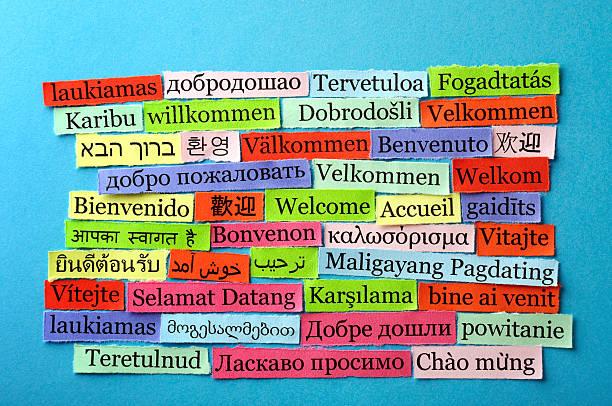
In an increasingly interconnected world, multilingual societies are no longer the exception but the norm. From students navigating higher education in foreign countries to professionals engaging with global audiences, writing essays in multilingual contexts has become an essential skill. While it presents challenges such as language barriers, cultural differences, and varied academic expectations, it also opens doors to creativity, diverse perspectives, and intellectual growth.
This blog explores the unique dynamics of essay writing in multilingual societies, offering insights into strategies, tools, and the broader implications of multilingualism in education.
The Significance of Multilingualism in Essay Writing
Multilingual societies bring together individuals with diverse linguistic and cultural backgrounds. In academic environments, this diversity enriches discussions and contributes to a deeper understanding of global issues. However, it also influences how students approach essay writing.
A Global Reality
Countries like Canada, Switzerland, and India demonstrate how multilingualism shapes education systems. In such contexts, students often write essays in their second or even third language, requiring them to balance linguistic proficiency with critical analysis.
Academic Implications
Essay writing in multilingual environments goes beyond grammar and vocabulary. It requires students to engage with ideas across cultural boundaries, compare different perspectives, and present arguments in a way that resonates with both local and global audiences.
Challenges of Essay Writing in Multilingual Societies
Despite the advantages, essay writing in multilingual societies comes with several challenges that learners and educators must address.
1. Language Proficiency
For many students, the greatest barrier is limited proficiency in the academic language of instruction. While they may communicate effectively in everyday conversations, producing structured, formal essays often requires advanced vocabulary and syntax.
2. Cultural Differences in Writing Styles
Writing conventions vary across cultures. For example, some traditions value indirectness and rhetorical flourishes, while others emphasize clarity and direct argumentation. Students in multilingual societies must adapt to the academic style expected by their institutions, which can sometimes conflict with their cultural norms.
3. Cognitive Load
Switching between multiple languages can increase cognitive strain. A student who thinks in their native language but writes in another must constantly translate concepts, which may slow down the writing process and affect fluency.
4. Assessment Bias
Teachers may unconsciously favor essays written in more polished or native like language, overlooking the depth of thought expressed by multilingual students. This bias can discourage learners and impact their academic confidence.
Opportunities in Multilingual Essay Writing
While challenges exist, multilingual societies also create unique opportunities for essay writers.
1. Diverse Perspectives
Students from multilingual backgrounds often bring unique worldviews into their essays. Their ability to draw on different cultural references and academic traditions enriches the quality of their arguments.
2. Cognitive Flexibility
Research shows that multilingual individuals often develop greater cognitive flexibility and problem solving skills. When applied to essay writing, this flexibility allows them to approach topics from multiple angles and craft innovative arguments.
3. Cross Cultural Communication
Writing essays in a multilingual society fosters skills in communicating complex ideas across cultural divides. These abilities are valuable not only in academia but also in global careers, diplomacy, and cross border collaborations.
Strategies for Successful Essay Writing in Multilingual Contexts
Overcoming challenges requires deliberate strategies. Both students and educators can adopt practical approaches to improve essay writing outcomes in multilingual societies.
Build Strong Language Foundations
Students should focus on strengthening their academic vocabulary and grammar. Reading scholarly articles, practicing essay drafts, and seeking feedback from peers can help bridge language gaps.
Understand Academic Expectations
Familiarizing oneself with the preferred essay structure and style of the institution is crucial. This includes learning how to craft a thesis statement, support arguments with evidence, and follow citation guidelines.
Use Translation Wisely
Translation tools can be helpful but should be used critically. Direct translations may distort meaning, so students should aim for conceptual rather than word for word translation.
Peer Review and Collaboration
Multilingual societies provide opportunities for peer learning. Students can exchange drafts with peers from different backgrounds to refine arguments and ensure clarity.
Seek Professional Support
When challenges become overwhelming, students may consider guidance from academic support services or professionals. For instance, some learners benefit from specialized resources like the best philosophy essay writing service when tackling complex or language intensive assignments.
The Role of Educators in Multilingual Societies
Educators play a critical role in supporting essay writing in multilingual classrooms.
Encouraging Inclusivity
Teachers should adopt inclusive practices that recognize and value linguistic diversity rather than penalize students for non native fluency.
Offering Language Support
Workshops, writing labs, and tailored resources can help multilingual students build confidence in academic writing.
Promoting Intercultural Dialogue
Encouraging students to share cultural perspectives within essays fosters deeper engagement and appreciation for diversity.
Technology and Essay Writing in Multilingual Contexts
Digital tools have transformed the way multilingual students approach essay writing.
Language Tools
Grammar checkers, style editors, and translation software help students refine their essays. While these tools cannot replace human judgment, they provide valuable assistance in polishing language.
Online Learning Communities
Platforms that connect students from different linguistic backgrounds create opportunities for peer learning and collaborative writing.
AI in Academic Writing
Artificial intelligence is increasingly used to support multilingual students. From generating outlines to suggesting vocabulary, AI tools help writers navigate linguistic challenges while maintaining originality.
Case Studies: Essay Writing in Different Multilingual Contexts
Europe
In the European Union, students frequently study abroad through exchange programs like Erasmus. Writing essays in a second language is part of their academic journey, often leading to enhanced intercultural competence.
Asia
Countries like Singapore and India integrate multiple official languages into their education systems. Essay writing here reflects not only linguistic diversity but also a synthesis of Eastern and Western academic traditions.
North America
In multicultural societies like Canada and the United States, immigrant students often write essays in English while maintaining fluency in their native tongues. This duality enriches classroom discussions and academic work.
Future of Essay Writing in Multilingual Societies
As globalization continues, essay writing in multilingual societies will evolve further.
Increasing Emphasis on Global Competence
Universities and employers value individuals who can communicate across cultures. Essay writing will increasingly be seen as a way to develop and showcase global competence.
Blending of Styles
With exposure to multiple traditions, essay writing may evolve into a hybrid form that combines clarity with creativity, logic with narrative, and global with local perspectives.
Expanding Access
As more resources become available online, multilingual students will find it easier to access guidance, practice tools, and communities that support their academic growth.
Conclusion
Essay writing in multilingual societies is both a challenge and an opportunity. While students may face difficulties with language proficiency, cultural adaptation, and academic expectations, they also benefit from enhanced creativity, broader perspectives, and stronger communication skills. With the right strategies and support, multilingual essay writing can become a powerful tool for academic success and personal growth.
As societies grow more diverse, embracing multilingualism in essay writing will not only enrich education but also foster deeper global understanding.

 English
 French
 Spanish
 Portuguese
 Deutsch
 Turkish
 Dutch
Dutch
 Italiano
 Russian
 Romaian
 Portuguese (Brazil)
 Tiếng Việt